

By Dr. Rajender’s Lifestyle Clinic – Diabetes Reversal & Metabolic Health Experts
Introduction
One of the most common and most searched questions on Google is:
👉 What is the difference between Type 1 and Type 2 diabetes?
Many people hear the word diabetes or high sugar but don’t know which type they have or what it means. Some think both types are the same. Others think Type 2 happens only because of eating sweets.
Understanding the difference is very important because:
- The cause is different
- The treatment is different
- The prevention is different
- The reversal possibility is different
At Dr. Rajender’s Lifestyle Clinic, we help patients understand their condition clearly and focus on reversing Type 2 diabetes through lifestyle, diet, and metabolic correction.
Let’s explain everything in simple words.
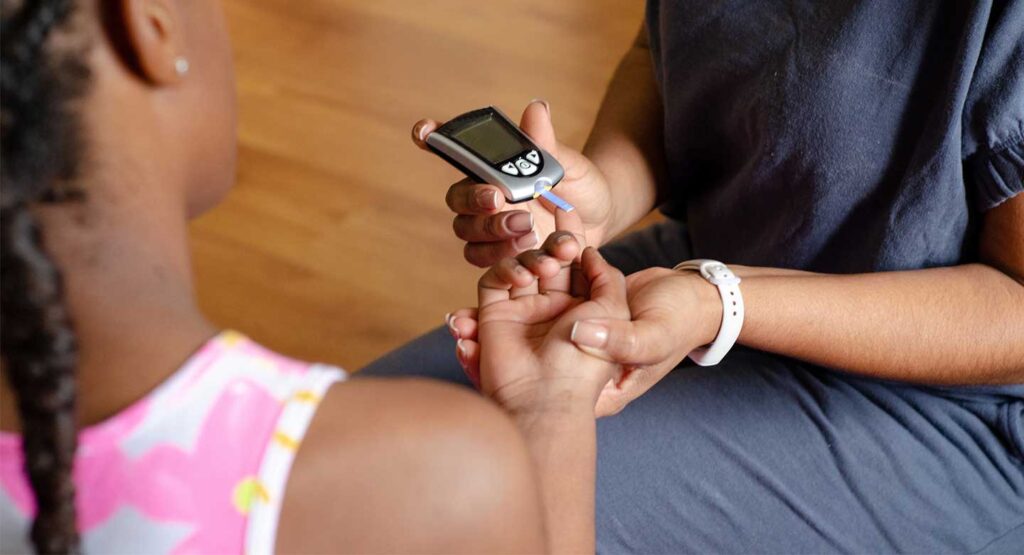
What Is Diabetes?
Diabetes is a condition in which blood sugar levels become too high because insulin is not working properly.
Sugar (glucose) comes from food like rice, roti, fruits, milk, and grains. Insulin is a hormone that helps sugar enter cells to give energy.
When insulin does not work properly → sugar stays in blood → diabetes happens.
There are mainly two common types:
👉 Type 1 Diabetes
👉 Type 2 Diabetes
What Is Type 1 Diabetes?Type 1 diabetes is an autoimmune disease.
This means the body’s immune system attacks the pancreas and destroys insulin-producing cells.
So:
- Body makes little or no insulin
- Blood sugar rises quickly
- Insulin injections are required lifelong
Type 1 diabetes usually starts in children, teenagers, or young adults, but it can occur at any age.
Common Features of Type 1 Diabetes
✔ Sudden onset
✔ Severe symptoms
✔ Rapid weight loss
✔ Needs insulin immediately
✔ Not caused by lifestyle
✔ Cannot be prevented
✔ Cannot be reversed
Type 1 diabetes is not because of eating sugar or junk food.
What Is Type 2 Diabetes?
Type 2 diabetes is the most common type of diabetes.
In Type 2 diabetes:
- Insulin is present
- But the body does not use insulin properly
- This is called insulin resistance
Because of insulin resistance:
- Sugar stays in blood
- Pancreas produces more insulin
- Over time pancreas gets tired
- Blood sugar rises permanently
Type 2 diabetes is strongly related to lifestyle factors.
Common Features of Type 2 Diabetes
✔ Gradual onset
✔ Linked to overweight and belly fat
✔ Linked to poor diet and inactivity
✔ Can be prevented
✔ Can often be reversed in early stages
✔ May not need insulin initially
This is the type we treat in Dr. Rajender’s Lifestyle Clinic with lifestyle correction programs.
Major Differences Between Type 1 and Type 2 Diabetes
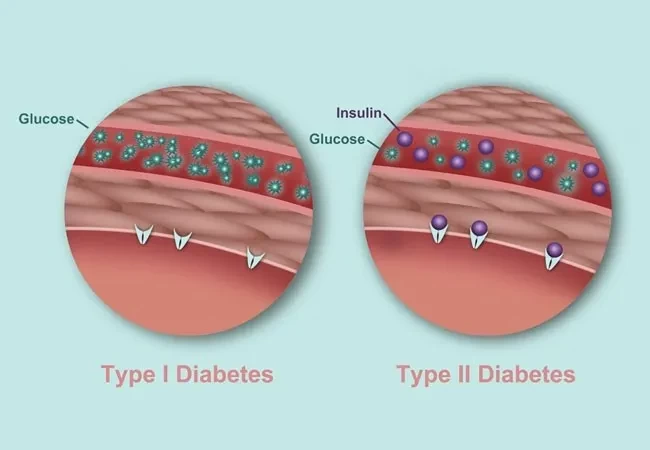
1️⃣ Cause
Type 1 Diabetes
Autoimmune destruction of pancreas
No insulin production
Type 2 Diabetes
Insulin resistance
Lifestyle and metabolic factors
2️⃣ Age of Onset
Type 1
Usually children or young adults
Type 2
Usually adults above 30
Now seen in teenagers due to obesity
3️⃣ Speed of Symptoms
Type 1
Symptoms appear quickly
Type 2
Symptoms develop slowly over years
Many Type 2 patients have no symptoms in early stage.
4️⃣ Body Weight
Type 1
Often normal or underweight
Type 2
Often overweight or obese
Belly fat common
5️⃣ Insulin Requirement
Type 1
Insulin required lifelong
Type 2
May not need insulin initially
Lifestyle change may reduce medicines
6️⃣ PreventionType 1
Cannot be prevented
Type 2
Can often be prevented by healthy lifestyle
7️⃣ Reversal Possibility
Type 1
Cannot be reversed
Type 2
Often reversible in early stages with diet, exercise, weight loss, and stress control
What Are the Symptoms of Type 1 and Type 2?
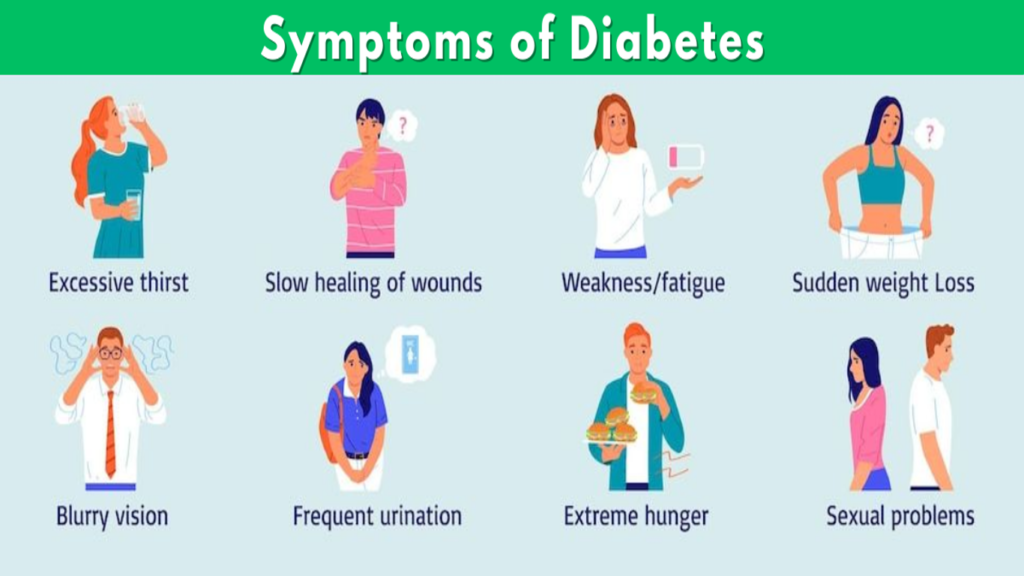
Type 1 Diabetes Symptoms
- Frequent urination
- Excessive thirst
- Extreme hunger
- Rapid weight loss
- Severe fatigue
- Blurred vision
Symptoms appear suddenly.
Type 2 Diabetes Symptoms
- Mild fatigue
- Increased urination
- Increased thirst
- Slow wound healing
- Frequent infections
- Weight gain
Many people have no symptoms until sugar becomes very high.
What Is Prediabetes?
Prediabetes is an early warning stage before Type 2 diabetes.
It means:
👉 Blood sugar slightly high
👉 Insulin resistance started
👉 No major symptoms
Prediabetes can be fully reversed with lifestyle changes.
Ignoring prediabetes often leads to Type 2 diabetes.
Why Is Type 2 Diabetes Increasing Today?
Modern lifestyle is the main reason:
- More sitting, less walking
- Fast food and junk food
- Sugary drinks
- Poor sleep
- High stress
- Weight gain
These lead to insulin resistance and high blood sugar.
Why Medicines Alone Are Not Enough in Type 2 Diabetes
Medicines reduce sugar temporarily.
But they do not remove:
- Belly fat
- Fatty liver
- Poor lifestyle habits
Without lifestyle correction, sugar rises again.
At Dr. Rajender’s Lifestyle Clinic, we focus on:
✔ Personalized diet planning
✔ Weight loss
✔ Yoga and exercise
✔ Stress management
✔ Sleep correction
This improves insulin sensitivity and helps diabetes reversal.
Can Type 2 Diabetes Be Reversed?
Yes — in many cases.
Especially when:
- Diagnosed early
- Patient is overweight
- Lifestyle changes are followed strictly
Reversal means:
👉 Sugar levels become normal
👉 HbA1c improves
👉 Medicines reduce under doctor supervision
Type 1 diabetes cannot be reversed.
Why Understanding the Difference Is Important
Because treatment approach is different.
Type 1 → Insulin therapy is essential.
Type 2 → Lifestyle correction is the foundation.
Wrong understanding can delay treatment and cause complications.
Common Myths About Type 1 and Type 2 Diabetes
❌ Eating sugar causes Type 1 → False
❌ Only old people get Type 2 → False
❌ Insulin means failure → False
❌ Type 2 is mild → False
Both types need proper care.
When Should You Check Your Blood Sugar?
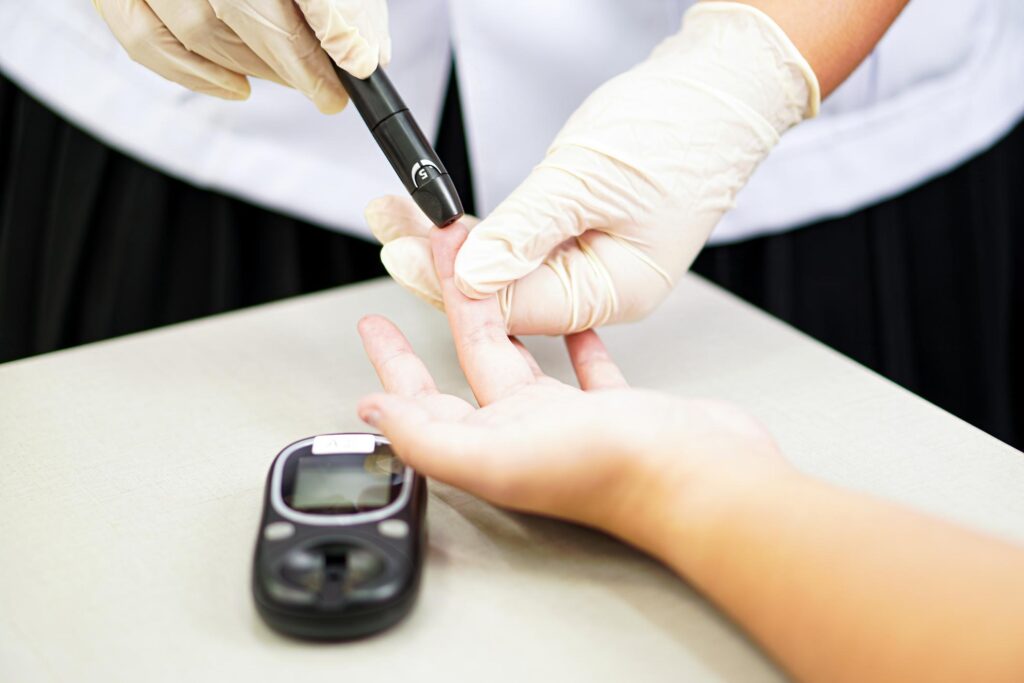
You should test sugar if you have:
- Family history of diabetes
- Obesity or belly fat
- PCOS
- Fatty liver
- High cholesterol
- High blood pressure
- Frequent urination or thirst
Early detection prevents complications.
Final ConclusionThe difference between Type 1 and Type 2 diabetes is mainly in the cause.
Type 1 diabetes → Body does not make insulin.
Type 2 diabetes → Body does not use insulin properly.
Both cause high blood sugar, but their treatment, prevention, and reversal possibilities are different.
Understanding this difference helps patients make better health decisions and take action early.
At Dr. Rajender’s Lifestyle Clinic, our mission is to help people control and reverse Type 2 diabetes through scientific diet planning, yoga, weight management, and lifestyle correction.
Diabetes is not destiny.
With the right guidance, health can be restored.
Diabetes FAQ Section
1. What is the main difference between Type 1 and Type 2 diabetes?
Type 1 diabetes happens when the body stops producing insulin because of an autoimmune problem. Type 2 diabetes happens when the body does not use insulin properly, called insulin resistance. Type 1 needs lifelong insulin, while Type 2 can often be controlled or reversed with diet, weight loss, and lifestyle changes.
2. Can Type 2 diabetes be reversed naturally?
Yes, in many early-stage cases Type 2 diabetes can be reversed or controlled naturally with proper diet, weight reduction, regular exercise, stress control, and medical monitoring. At Dr. Rajender’s Lifestyle Clinic, we focus on lifestyle-based diabetes reversal programs.
3. What are the early symptoms of high blood sugar or diabetes?
Common early symptoms include frequent urination, excessive thirst, tiredness, blurred vision, slow wound healing, and frequent infections. Many people with prediabetes may not have symptoms, so regular sugar testing is important.
4. What is prediabetes and can it be cured?
Prediabetes means blood sugar is slightly high but not yet diabetes. It is a warning stage. Prediabetes can often be fully reversed with healthy eating, weight loss, regular walking, good sleep, and stress management.
5. What is a normal blood sugar level?
Normal fasting blood sugar is 70–99 mg/dL. After food it should be below 140 mg/dL. HbA1c should be below 5.7%. Higher values may indicate prediabetes or diabetes and should be checked by a doctor.