
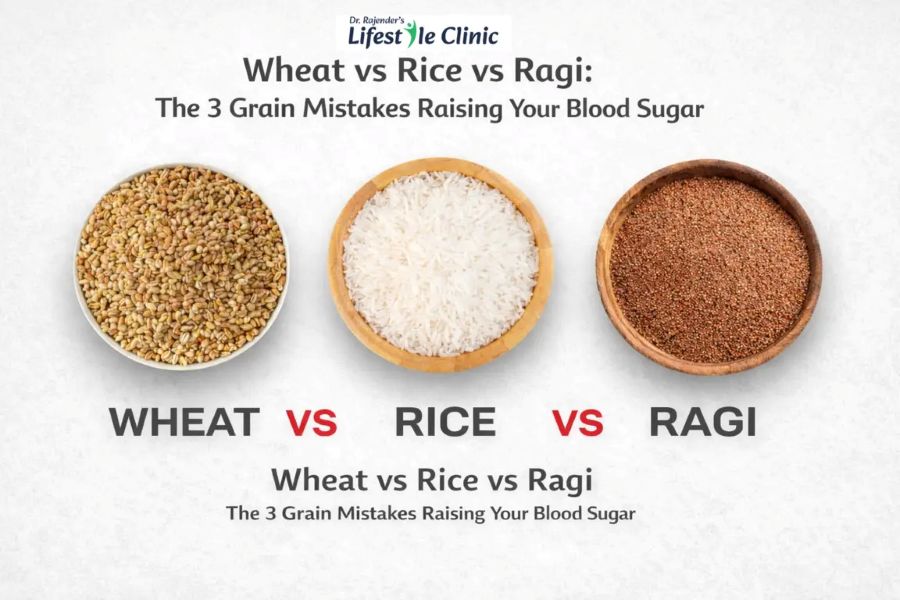
A Complete Guide to Grain Choices for Diabetes Control and Weight Loss
By Dr. Rajender’s Lifestyle Clinic – Diabetes Reversal & Metabolic Health Experts
Introduction
Many people trying to control high blood sugar, lose weight, or reverse diabetes make one common mistake.
They switch to “healthy grains” like ragi or jowar thinking it will control sugar levels.
But many patients still see:
👉 High fasting sugar
👉 High HbA1c
👉 Weight not reducing
👉 More hunger and cravings
Why?
Because not all grains behave the same in the body.
Understanding the truth about wheat vs rice vs ragi, glycemic index, portion size, and insulin response can help prevent hidden sugar spikes and improve metabolic health.
At Dr. Rajender’s Lifestyle Clinic, correcting grain mistakes is one of the biggest steps in diabetes reversal and weight loss.
Let’s understand clearly.
Why Grains Matter So Much in Diabetes and Weight Loss
Grains directly affect blood sugar because they turn into glucose after digestion.
Two important concepts matter.
1. Glycemic Index (GI)
How fast a food raises blood sugar.
High GI foods raise sugar quickly.
2. Glycemic Load (GL)
How much sugar the total portion delivers.
Even moderate GI foods can spike sugar if eaten in large quantities.
That is why comparing glycemic index wheat vs rice vs ragi is important for diabetics and people trying to lose belly fat.
Grain Trap 1: Is Ragi Really Better Than Wheat or Rice?
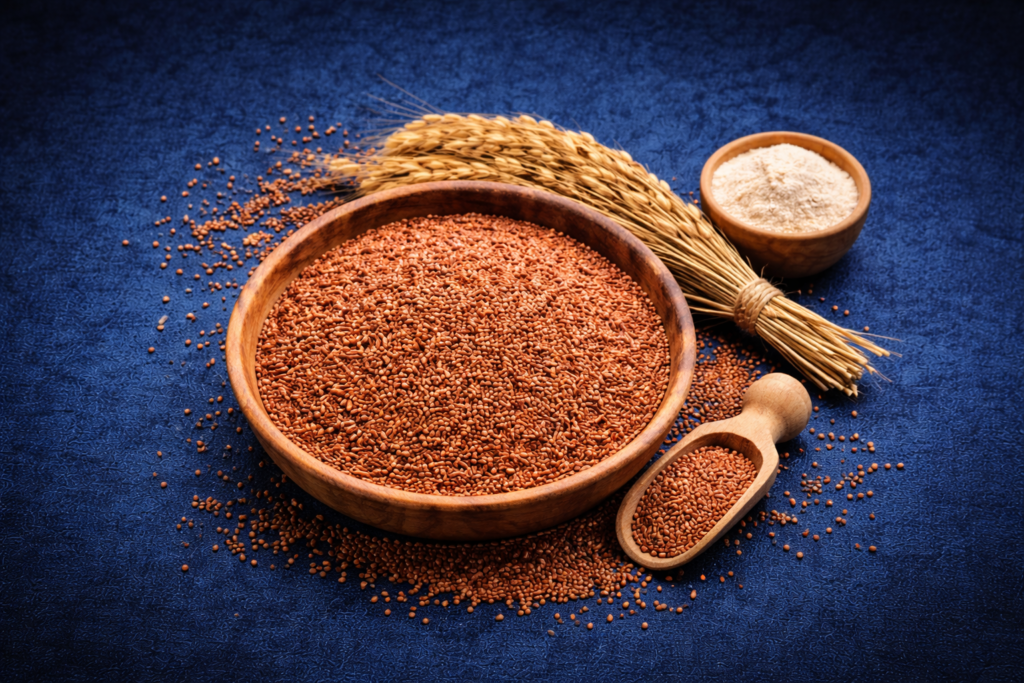
Ragi is often promoted as a superfood for diabetes.
But finely ground ragi behaves very differently.
Glycemic Index of Ragi
Ragi porridge / ragi dosa – around 85
Ragi roti – around 75
Ragi mudde – around 65
These numbers are higher than many white rice varieties.
Finely ground ragi digests quickly and causes sharp sugar spikes.
Many patients who increased ragi consumption reported worsening sugar control.
So when people ask:
👉 Is ragi good for diabetes?
👉 Is ragi better than wheat?
The answer depends on portion size and form.
For high sugar patients, ragi can increase cravings and slow weight loss.
Grain Trap 2: Are Jowar Rotis Always Healthy?
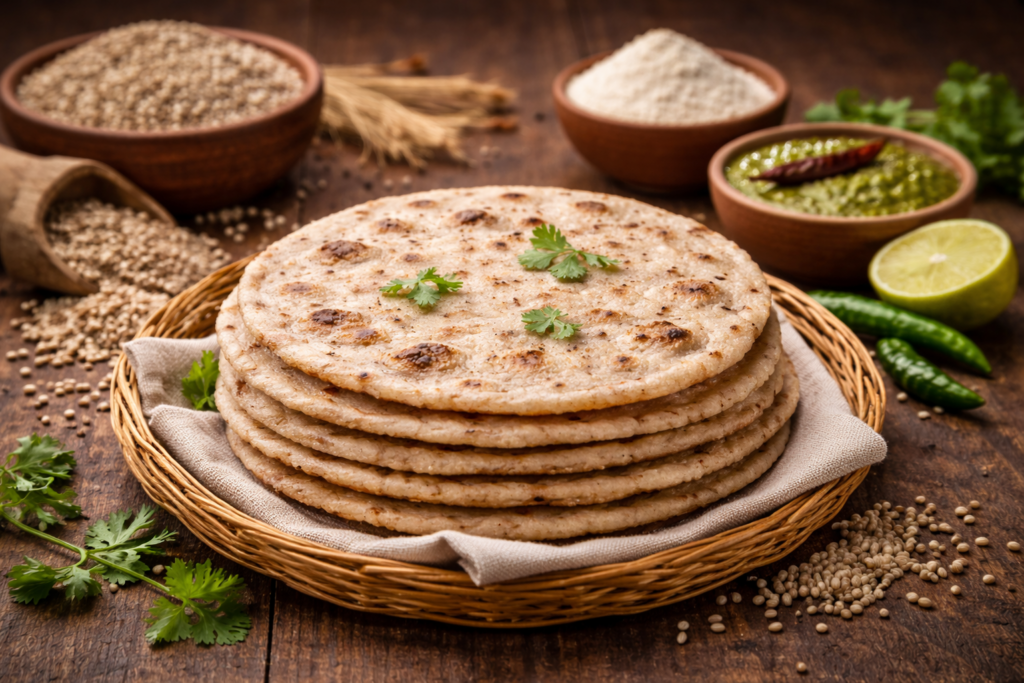
Jowar is often called a good carb.
But jowar rotis are heavy.
Facts About Jowar
Jowar GI – around 70
2 wheat chapatis – about 60 g
2 jowar rotis – about 90–100 g
Heavier rotis increase glycemic load.
So even if GI is moderate, total sugar load becomes high.
Many diabetics unknowingly increase sugar levels by eating large jowar rotis.
Mixing jowar flour with dal flour can help slightly but still needs portion control.
Grain Trap 3: Is Wheat Always Better Than Rice?
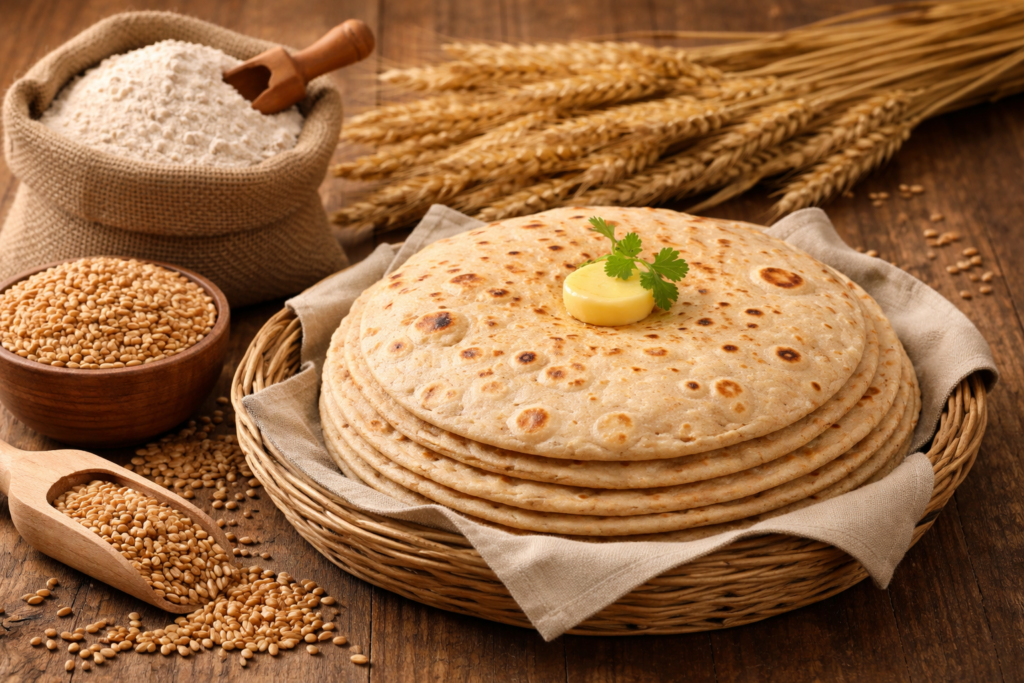
People often think chapati is always better than rice.
But the type of wheat matters.
Safer Wheat Options
Emmer / Khapli wheat
Red wheat
GI around 45–55
Lower gluten
Slower sugar rise
These are better for diabetics.
Regular Wheat
Higher GI
Higher gluten
More insulin stimulation
Regular wheat can spike sugar more than brown rice.
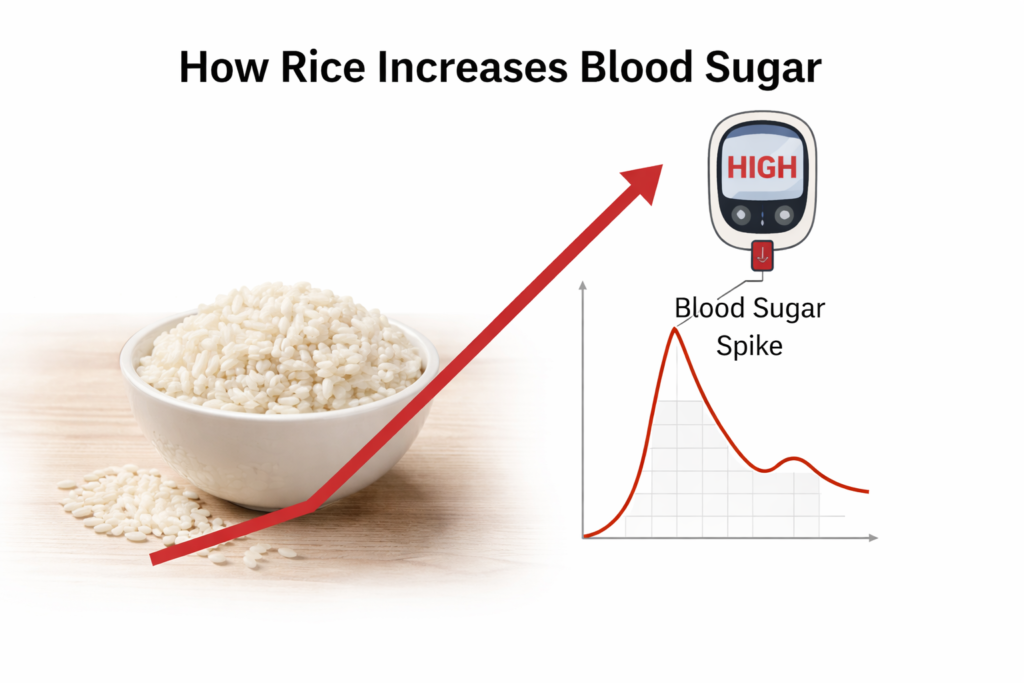
Rice and Blood Sugar
Not all rice is the same.
High GI Rice
Sticky white rice
Short grain rice
GI 70–90
These spike sugar quickly.
Better Rice Options
Long-grain basmati rice
Controlled portions
Less sticky, slower absorption.
So when people ask:
👉 Which rice is good for diabetics?
Answer: Small portions of long-grain basmati.
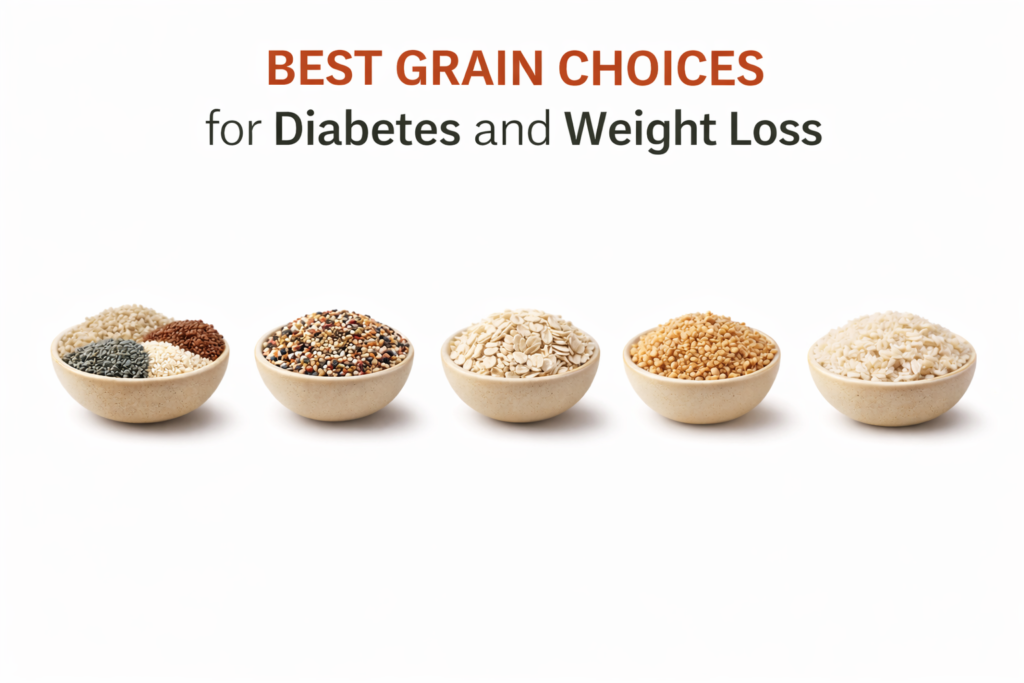
Best Grain Choices for Diabetes and Weight Loss
Safer Options
Emmer / Khapli wheat
Rajgira (amaranth)
Mixed dal wheat flour
Small portions of basmati rice
These keep sugar stable and reduce cravings.
Grains to Limit
Ragi (especially fine flour)
Regular wheat
Heavy jowar rotis
Sticky white rice
These can increase blood sugar and slow weight loss.
Portion Size Matters More Than Grain Type Even healthy grains spike sugar if eaten in large amounts.
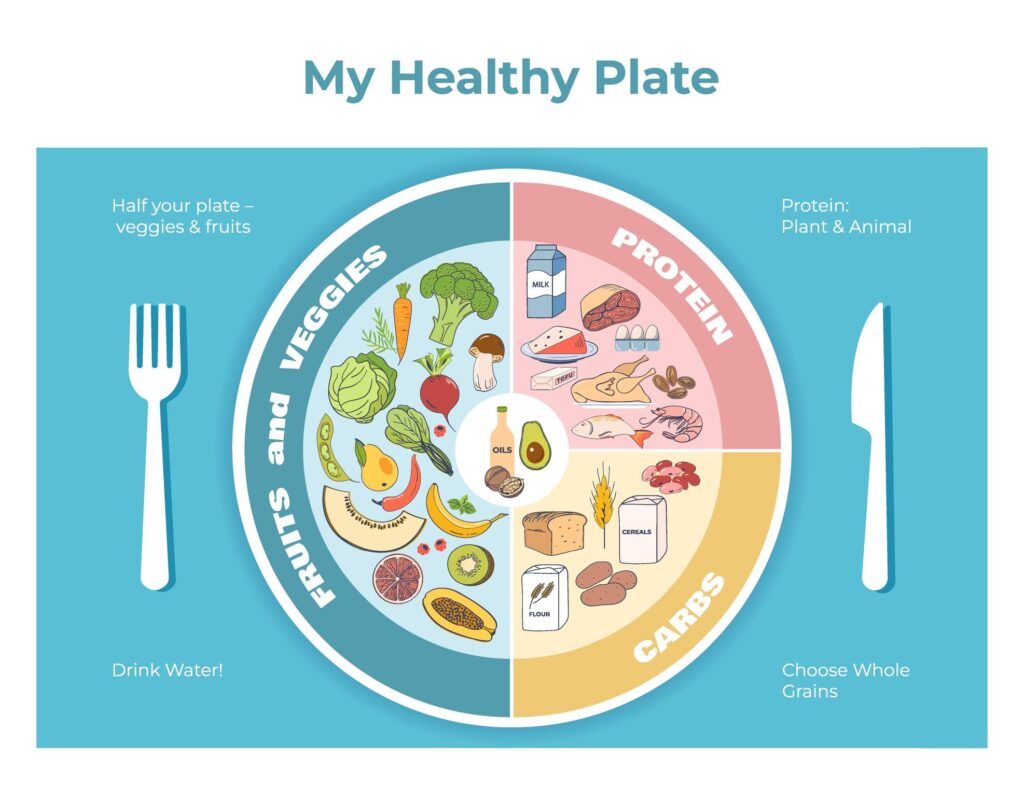
Best plate method:
50% vegetables and salad
25% protein or dal
25% grains
This reduces sugar spikes and improves insulin sensitivity.
How Grain Choices Affect Weight Loss
High GI grains cause:
• Rapid sugar spikes
• Insulin increase
• Fat storage
• More hunger
Low GI grains cause:
• Stable energy
• Less cravings
• Better weight control
This is why choosing the right grain helps lose belly fat.
Other Tips for Diabetes and Weight Control
At Dr. Rajender’s Lifestyle Clinic we recommend:
• Eat only one grain per meal
• Start meals with salad
• Walk after meals
• Reduce sugary drinks
• Improve sleep
• Manage stress
These lifestyle changes improve insulin resistance.
Frequently Asked Questions
1. Which grains should diabetics avoid?
Ragi flour, regular wheat, sticky white rice, and heavy jowar rotis due to high glycemic load.
2. Which grain is best for diabetes control?
Emmer or khapli wheat, rajgira, and small portions of basmati rice.
3. Is ragi good for weight loss?
Ragi can spike sugar quickly and increase cravings in many people.
4. Wheat or rice — which is better?
Small portions of basmati rice or emmer wheat are safer than regular wheat.
5. Can diabetics eat chapati?
Yes, if made from emmer wheat and eaten in small portions with vegetables.
6. Does jowar increase blood sugar?
Large jowar rotis can increase glycemic load and spike sugar.
7. How many rotis should diabetics eat?
Usually 1–2 small rotis with vegetables and dal.
8. Is brown rice better for diabetics?
Brown rice is better than sticky white rice but still needs portion control.
9. Why do grains increase sugar so fast?
Because grains convert into glucose quickly during digestion.
10. Can controlling grains help reverse diabetes?
Yes. Proper grain choices and lifestyle changes improve insulin sensitivity.
Conclusion
Grains are not bad, but the wrong grain choices can raise blood sugar, increase cravings, and slow weight loss.
Understanding the difference between wheat, rice, and ragi helps prevent hidden sugar spikes.
Choosing lower-GI grains, controlling portions, and following healthy lifestyle habits can improve diabetes control and support weight loss.
At Dr. Rajender’s Lifestyle Clinic, we guide patients step by step to reverse diabetes and improve metabolic health through correct diet and lifestyle planning.
Small grain changes today can bring big health improvements tomorrow.