
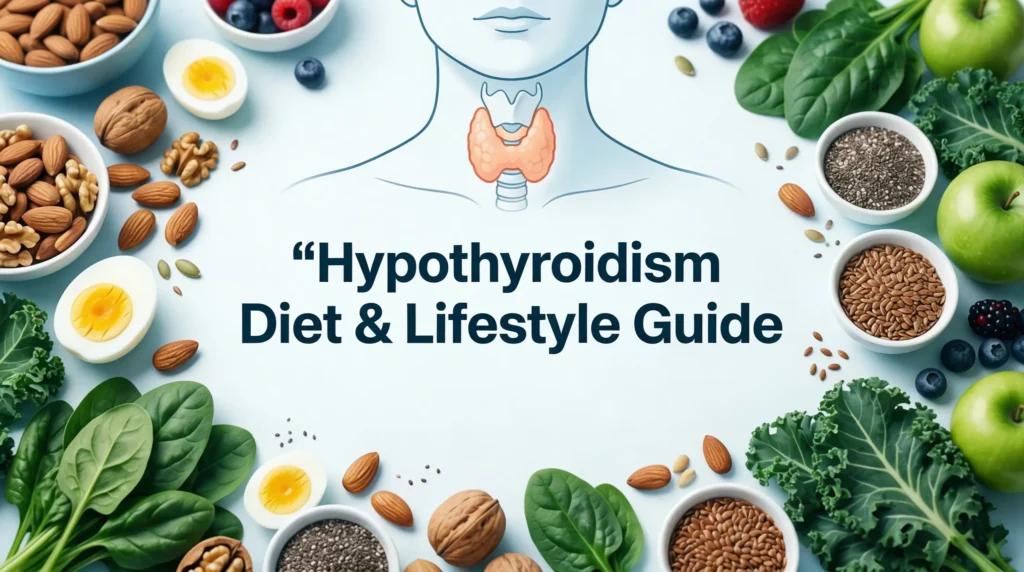
Hypothyroidism Management: Diet, Lifestyle & Key Nutrients
Introduction
Hypothyroidism is a common condition where the thyroid gland does not produce enough hormones, leading to a slow metabolism. It affects energy levels, weight, mood, and overall health.
Managing hypothyroidism is not just about medication. Proper nutrition, lifestyle changes, and regular monitoring play a crucial role in improving thyroid function and overall well-being.
What is Hypothyroidism?
The thyroid is a butterfly-shaped gland located in the neck that produces hormones like T3 and T4, which regulate metabolism and energy levels.
In hypothyroidism, the production of these hormones is reduced, leading to a slowdown in body functions.
Causes of Hypothyroidism
Hypothyroidism can occur due to several reasons, including:
- Autoimmune conditions (like Hashimoto’s thyroiditis)
- Iodine deficiency
- Certain medications
- Genetic factors
- Postpartum hormonal changes
It is more common in women and can be worsened by stress.
Common Symptoms

Symptoms often develop slowly and may be ignored initially.
Common signs include:
- Fatigue and low energy
- Weight gain
- Dry skin and hair fall
- Constipation
- Mood changes
- Irregular periods
These symptoms indicate a slowing down of metabolic processes.
Key Nutrients for Thyroid Health
Nutrition plays a vital role in managing hypothyroidism.
1. Iodine
Essential for thyroid hormone production.
Sources: iodized salt, seafood
2. Selenium
Supports conversion of T4 to active T3 hormone.
Sources: nuts, eggs, fish
3. Iron
Helps in thyroid hormone formation.
Sources: leafy greens, legumes
4. Zinc & Magnesium
Support hormone balance and metabolism.
A balanced intake of these nutrients improves thyroid function.
Best Diet for Hypothyroidism
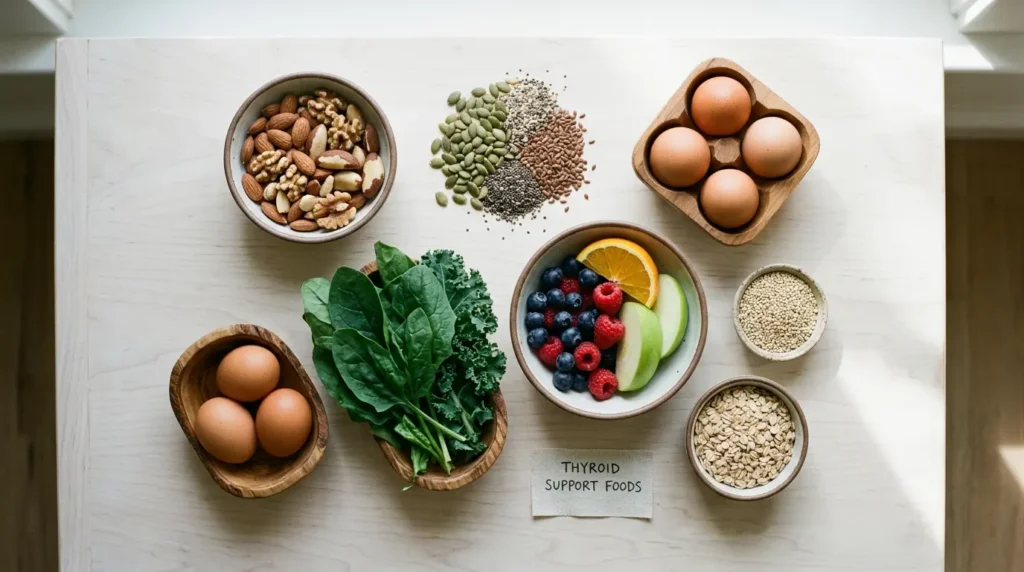
1. Focus on Whole Foods
- Fruits and vegetables
- Whole grains
- Lean proteins
2. Include Healthy Fats
Omega-3 fatty acids from nuts and seeds help reduce inflammation.
3. Choose Complex Carbohydrates
Low glycemic foods support energy and prevent weight gain.
Foods to Limit
Certain foods may interfere with thyroid function:
- Excess soy
- Highly processed foods
- Excess caffeine
- Very high iodine intake
Goitrogenic foods (like cabbage, broccoli) can be consumed in cooked form.
Role of Lifestyle in Management

Lifestyle habits directly impact thyroid health.
1. Stress Management
Chronic stress affects hormonal balance.
Practice yoga, meditation, or relaxation techniques.
2. Regular Exercise
Helps improve metabolism and manage weight.
3. Quality Sleep
Adequate sleep supports hormonal regulation.
Importance of Medical Monitoring
Regular testing is important to track thyroid function.
Key tests include:
- TSH (Thyroid Stimulating Hormone)
- T3 and T4 levels
High TSH usually indicates hypothyroidism and requires medical attention.
Supplements (If Needed)
Based on deficiency, doctors may recommend:
- Vitamin D
- Multivitamins
- Probiotics
Always consult a healthcare professional before starting supplements.
Conclusion
Hypothyroidism can be effectively managed with the right combination of diet, lifestyle, and medical care.
By:
- Eating nutrient-rich foods
- Managing stress
- Staying active
- Monitoring thyroid levels
you can improve your health and prevent complications.
👉 Remember:
Consistency is the key to thyroid balance.
FAQs
1. What is the best diet for hypothyroidism?
A balanced diet with whole foods, lean protein, healthy fats, and key nutrients like iodine, selenium, and iron is best.
2. Can hypothyroidism be cured with diet?
Diet cannot cure hypothyroidism, but it helps manage symptoms and improves overall thyroid function.
3. Which foods should be avoided in hypothyroidism?
Limit processed foods, excess soy, high caffeine, and very high iodine intake.
4. Is exercise important for hypothyroidism?
Yes, regular exercise helps improve metabolism, manage weight, and boost energy levels.
5. How often should thyroid tests be done?
Thyroid tests should be done regularly as advised by your doctor, usually every 3–6 months.