
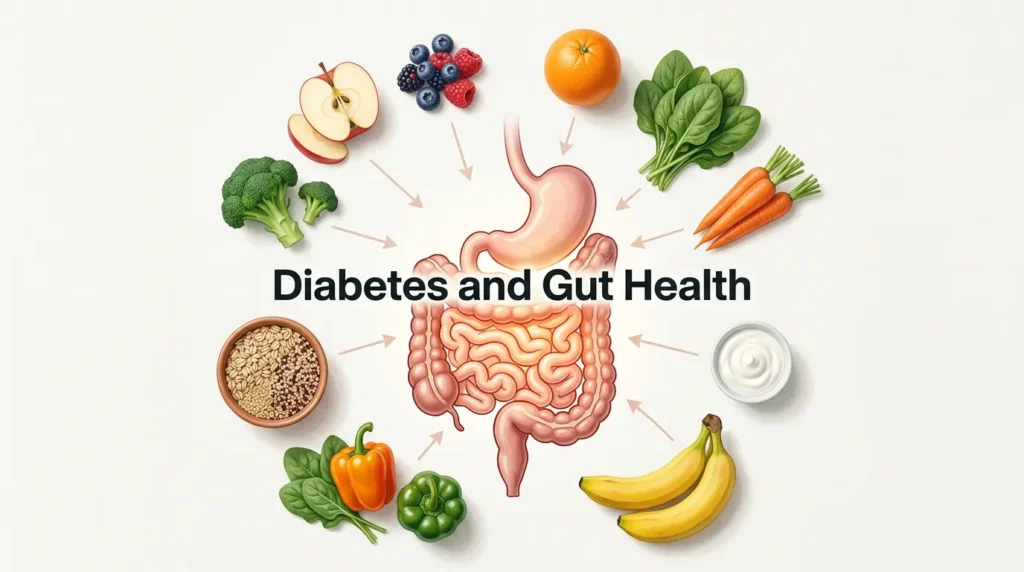
Diabetes and Gut Health Connection – How Your Gut Controls Blood Sugar
Introduction
Diabetes is one of the most common lifestyle diseases today, affecting millions of people. Most individuals focus only on blood sugar levels, medications, and diet, but an important factor is often overlooked — gut health.
Recent research highlights that the gut microbiome plays a key role in insulin sensitivity, inflammation, and blood sugar control. Understanding this connection can help in better diabetes management and long-term health improvement.
What is the Gut Microbiome?
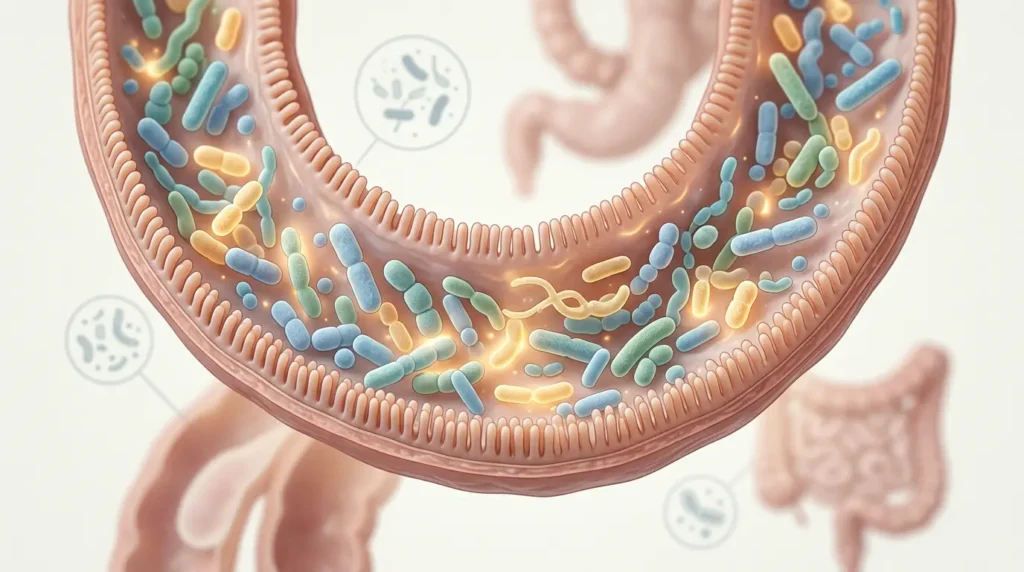
The gut microbiome refers to trillions of microorganisms present in the digestive system, especially in the intestines.
These include:
- Beneficial bacteria
- Viruses
- Fungi
A healthy gut microbiome supports:
- Digestion
- Nutrient absorption
- Immunity
- Hormonal balance
When this balance is disturbed, it leads to gut dysbiosis, which is linked to metabolic conditions like diabetes.
How Gut Health Affects Diabetes
1. Insulin Sensitivity
Healthy gut bacteria improve the body’s response to insulin. Poor gut health can lead to insulin resistance, which is a major cause of Type 2 diabetes.
2. Inflammation
An unhealthy gut increases inflammation in the body. Chronic inflammation worsens blood sugar control and increases the risk of complications.
3. Hormone Regulation
The gut produces hormones like GLP-1, which help regulate blood sugar and appetite.
4. Glucose Absorption
Gut bacteria influence how quickly glucose enters the bloodstream, directly impacting blood sugar levels.
Signs of Poor Gut Health in Diabetes
Many individuals with diabetes may have gut imbalance without realizing it.
Common signs include:
- Bloating and gas
- Indigestion
- Sugar cravings
- Fatigue
- Difficulty controlling blood sugar
- Weight gain
Recognizing these signs early can help in better management.
Best Foods for Gut Health
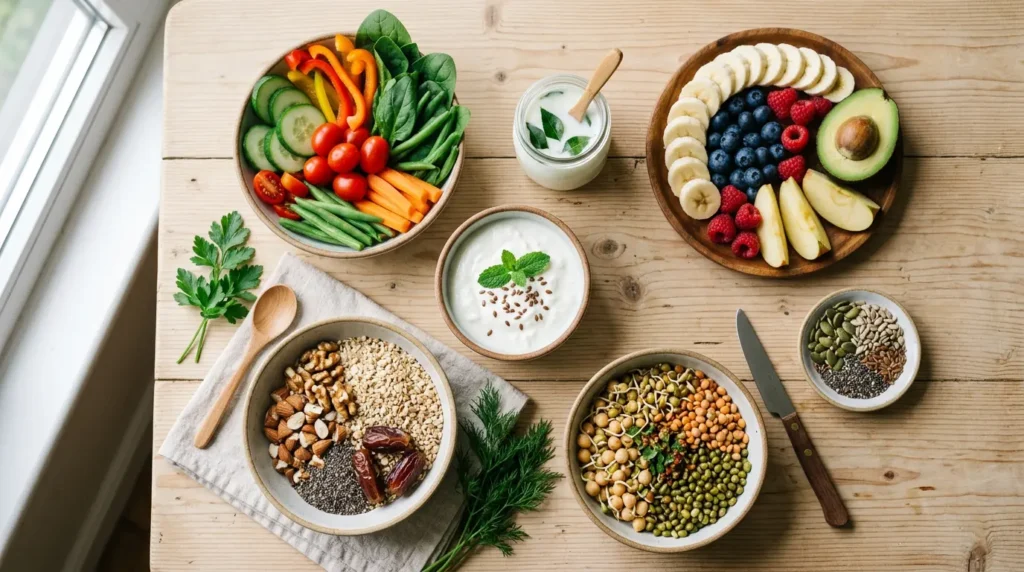
Fibre-Rich Foods
- Vegetables
- Whole grains
- Legumes
Fibre supports good bacteria and improves digestion.
Fermented Foods
- Curd
- Buttermilk
- Idli and dosa
- Kefir
These provide probiotics that improve gut bacteria.
Prebiotic Foods
- Garlic
- Onion
- Banana
- Oats
They help beneficial bacteria grow.
Healthy Fats
- Nuts
- Seeds
- Omega-3 rich foods
These reduce inflammation and support metabolic health.
Lifestyle Changes That Improve Gut and Diabetes
- Regular Exercise: Improves insulin sensitivity and gut diversity
- Good Sleep: Supports hormonal balance
- Stress Management: Reduces gut imbalance
- Hydration: Aids digestion and metabolism
Can Gut Health Help in Diabetes Reversal?
Improving gut health can significantly support blood sugar control. In early stages, it may contribute to diabetes reversal when combined with:
- Weight management
- Balanced diet
- Regular physical activity
- Medical supervision
Gut-focused care is becoming an important part of modern diabetes management.
When to Seek Medical Guidance
Consult a healthcare professional if you have:
- Uncontrolled blood sugar
- Digestive issues
- Persistent fatigue
- Weight gain or insulin resistance
Early intervention can prevent complications.
Conclusion
The connection between gut health and diabetes is strong. A healthy gut supports better digestion, reduced inflammation, and improved insulin sensitivity.
By focusing on gut-friendly foods and lifestyle habits, you can take a major step toward better blood sugar control and overall wellbeing.
FAQs
1. How does gut health affect diabetes?
It influences insulin sensitivity, inflammation, and glucose metabolism.
2. Can gut health improve blood sugar levels?
Yes, improving gut health can help stabilize blood sugar.
3. What foods are best for gut health?
Fibre-rich, fermented, and prebiotic foods.
4. What are signs of poor gut health?
Bloating, fatigue, sugar cravings, and poor sugar control.
5. Can gut health help reverse diabetes?
It can support reversal in early stages with proper lifestyle changes.