

Introduction
Gut health has become a major focus in modern healthcare, especially in conditions like diabetes, obesity, and digestive disorders. Two important terms often discussed are probiotics and prebiotics.
While both support gut health, they work in different ways. Understanding the difference between probiotics and prebiotics can help you make better dietary choices for improved digestion, immunity, and overall health.
What are Probiotics?
Probiotics are live beneficial bacteria that help maintain a healthy balance in the gut.
These “good bacteria” support:
- Digestion
- Nutrient absorption
- Immune function
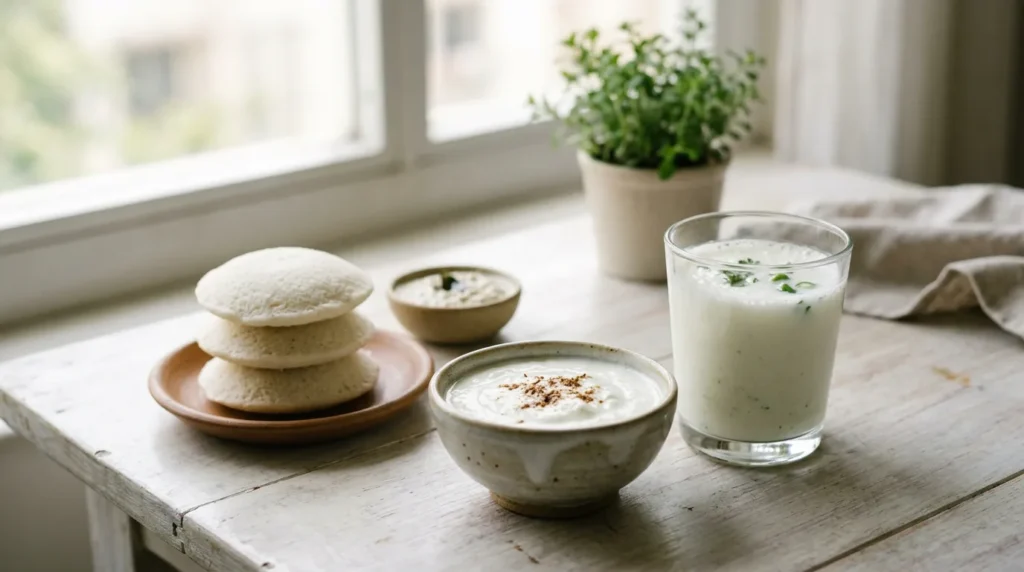
Sources of Probiotics:
- Curd (yogurt)
- Buttermilk
- Kefir
- Fermented foods like idli and dosa
Probiotics directly add healthy bacteria to your gut.
What are Prebiotics?
Prebiotics are non-digestible fibres that act as food for good bacteria.
They help:
- Nourish beneficial bacteria
- Improve gut environment
- Support digestion
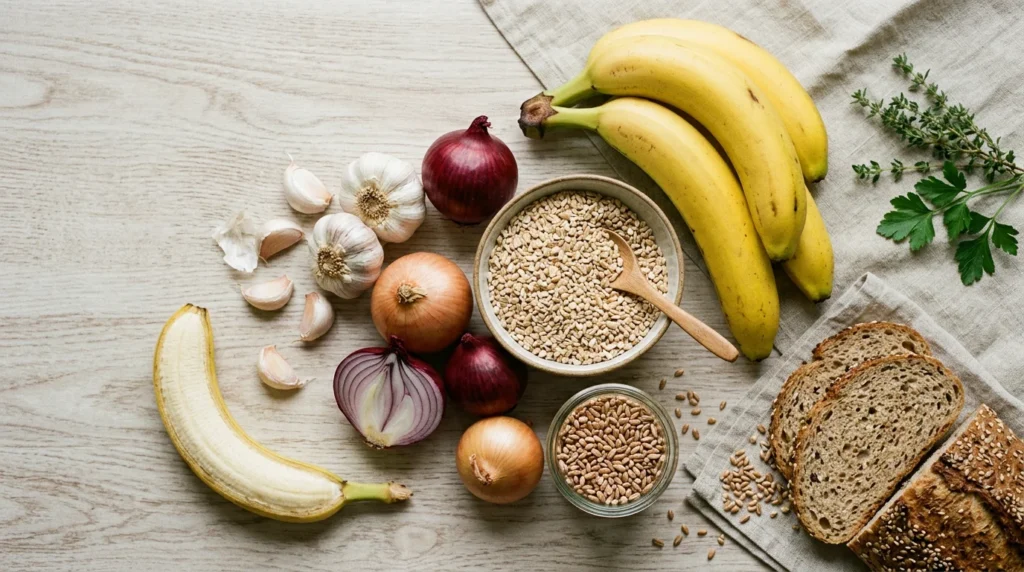
Sources of Prebiotics:
- Garlic
- Onion
- Banana
- Oats
- Whole grains
Prebiotics do not contain bacteria but help existing bacteria grow.
Key Differences Between Probiotics and Prebiotics
| Factor | Probiotics | Prebiotics |
|---|---|---|
| What they are | Live bacteria | Fibre (food for bacteria) |
| Function | Add good bacteria | Feed good bacteria |
| Source | Fermented foods | Plant-based foods |
| Role | Improve gut flora | Support bacterial growth |
Which is Better?
The answer is simple:
👉 Both are important
Probiotics and prebiotics work together for optimal gut health.
- Probiotics introduce good bacteria
- Prebiotics help them survive and grow
This combination is often called a synbiotic effect.
Benefits for Overall Health
A healthy gut supports multiple body functions:
1. Better Digestion
- Reduces bloating and gas
- Improves bowel movements
2. Improved Immunity
- Strengthens the immune system
- Protects against infections
3. Blood Sugar Control
- Supports insulin sensitivity
- Helps regulate glucose metabolism
4. Weight Management
- Influences metabolism
- Reduces cravings
Common Mistakes to Avoid
- Taking probiotics without proper diet
- Ignoring fibre intake
- Relying only on supplements
- Consuming processed foods
👉 Balance is key for gut health.
How to Include Both in Your Diet
Daily Tips:
- Add curd or buttermilk to meals
- Include vegetables and whole grains
- Eat fruits like banana
- Avoid excessive processed foods
👉 A balanced plate supports both probiotics and prebiotics.
Do You Need Supplements?
Most people can get enough from food.
Supplements may be needed:
- After antibiotic use
- In digestive disorders
- Under medical guidance
Conclusion
Probiotics and prebiotics are both essential for a healthy gut. They work together to improve digestion, boost immunity, and support overall health.
👉 Instead of choosing one, focus on including both in your daily diet.
A healthy gut is the foundation of a healthy body.
FAQs
1. What is the difference between probiotics and prebiotics?
Probiotics are live bacteria, while prebiotics are fibres that feed them.
2. Which is more important for gut health?
Both are equally important and work together.
3. Can I take probiotics daily?
Yes, through foods like curd and fermented items.
4. What are natural sources of prebiotics?
Garlic, onion, banana, oats, and whole grains.
5. Do probiotics help in diabetes?
Yes, they can support better gut health and blood sugar control.