

What Is Gestational Diabetes? Causes, Symptoms & Management
Introduction
Pregnancy is a beautiful journey, but it also brings several changes in the body. One common condition that can develop during this time is gestational diabetes.
Gestational diabetes occurs when blood sugar levels become high during pregnancy, even if the woman did not have diabetes before. It usually develops in the second or third trimester and needs proper care to ensure a healthy pregnancy.
What Is Gestational Diabetes?
Gestational diabetes mellitus (GDM) is a condition where the body is unable to use insulin effectively during pregnancy.
Hormonal changes in pregnancy can make the body resistant to insulin, leading to increased blood sugar levels. When the body cannot produce enough insulin to compensate, gestational diabetes develops.

Causes of Gestational Diabetes
The main cause is insulin resistance due to pregnancy hormones. These hormones help the baby grow but can interfere with insulin function.
Other contributing factors include:
- Overweight or obesity
- Family history of diabetes
- Age above 25–30 years
- Previous gestational diabetes
- PCOS (polycystic ovary syndrome)
Symptoms of Gestational Diabetes
In most cases, gestational diabetes does not show obvious symptoms. That’s why regular screening during pregnancy is important.
Some women may experience:
- Increased thirst
- Frequent urination
- Fatigue
However, these symptoms can also be common during pregnancy, making testing essential.

Why Is It Important to Manage?
If not controlled, gestational diabetes can affect both mother and baby.
Risks for the Baby
- High birth weight (macrosomia)
- Premature birth
- Low blood sugar after birth
- Higher risk of obesity and diabetes later
Risks for the Mother
- High blood pressure
- Complications during delivery
- Increased risk of Type 2 diabetes in the future
How Is Gestational Diabetes Diagnosed?
Gestational diabetes is usually diagnosed through an oral glucose tolerance test (OGTT) between 24–28 weeks of pregnancy.
This test measures how your body processes sugar and helps detect abnormal blood sugar levels early.
Management of Gestational Diabetes
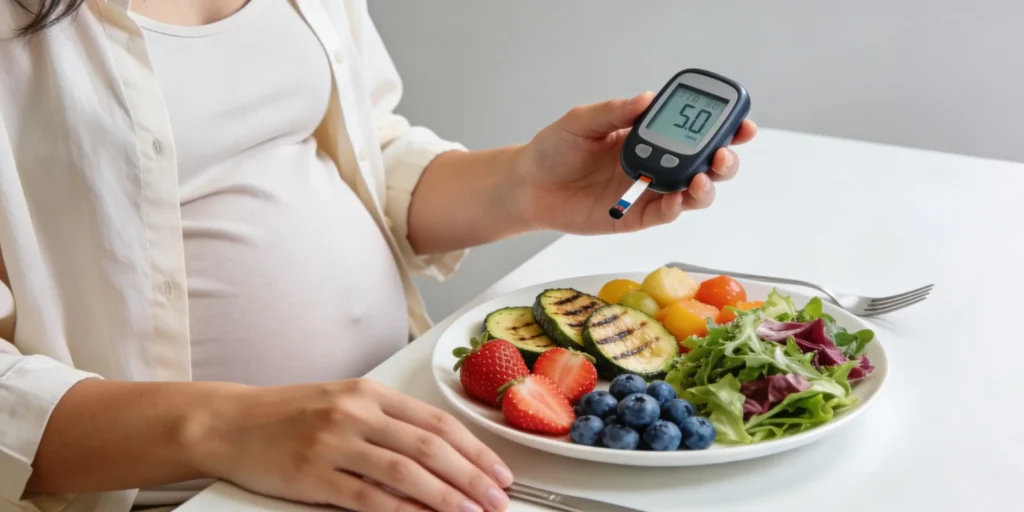
The good news is that gestational diabetes can be managed effectively with lifestyle changes.
1. Healthy Diet
- Eat balanced meals with protein, fiber, and healthy fats
- Avoid sugary and processed foods
- Control portion sizes
2. Regular Physical Activity
- Light exercises like walking or prenatal yoga
- Helps improve insulin sensitivity
3. Blood Sugar Monitoring
- Regularly check blood sugar levels
- Helps track progress and adjust diet
4. Medical Support
- Some women may need insulin or medication
- Always follow doctor guidance
Does Gestational Diabetes Go Away?
In most cases, gestational diabetes goes away after delivery. However, it is important to continue a healthy lifestyle because:
- There is a higher risk of developing Type 2 diabetes later
- Regular follow-up is recommended
Conclusion
Gestational diabetes is a common condition during pregnancy, but with proper care, it can be managed effectively. Early diagnosis, a healthy diet, regular activity, and medical guidance play a key role in ensuring a safe pregnancy.
👉 Remember:
Taking care of your health during pregnancy protects both you and your baby.
🔹 Take the First Step Towards a Healthy Pregnancy
If you are diagnosed with gestational diabetes or want guidance for a healthy pregnancy, expert support can make a big difference.
At Dr. Rajender’s Lifestyle Clinic, we provide personalized diet and lifestyle guidance to help you manage blood sugar safely during pregnancy.
👉 Book your consultation today
📞 +91 8179630411