
Introduction
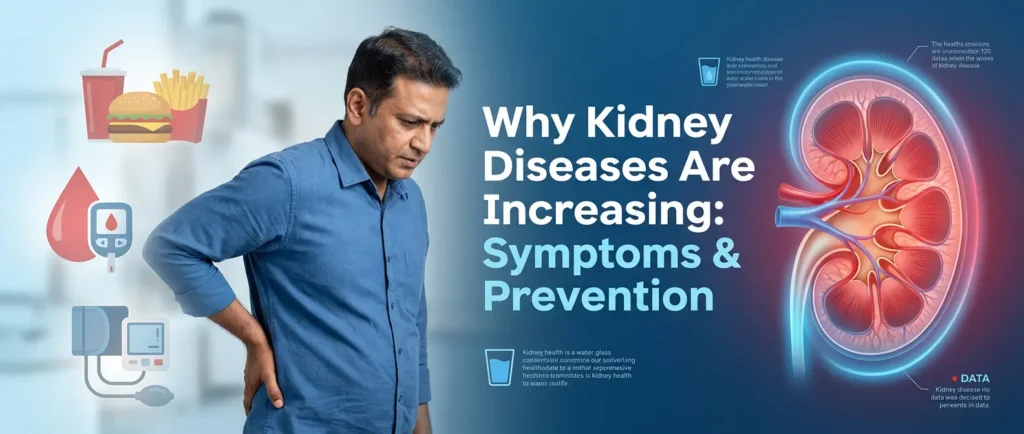
Kidney disease is becoming a serious health concern in India. Earlier, kidney problems were more common in older adults, but today even younger individuals are being diagnosed with kidney disease due to unhealthy lifestyle habits.
The kidneys are essential organs that help remove waste, balance fluids, control blood pressure, and maintain overall body health. When kidney function starts declining, it can silently affect many systems in the body.
The good news is that kidney disease is often preventable with early awareness and healthy lifestyle changes.
Why Are Kidney Diseases Increasing?
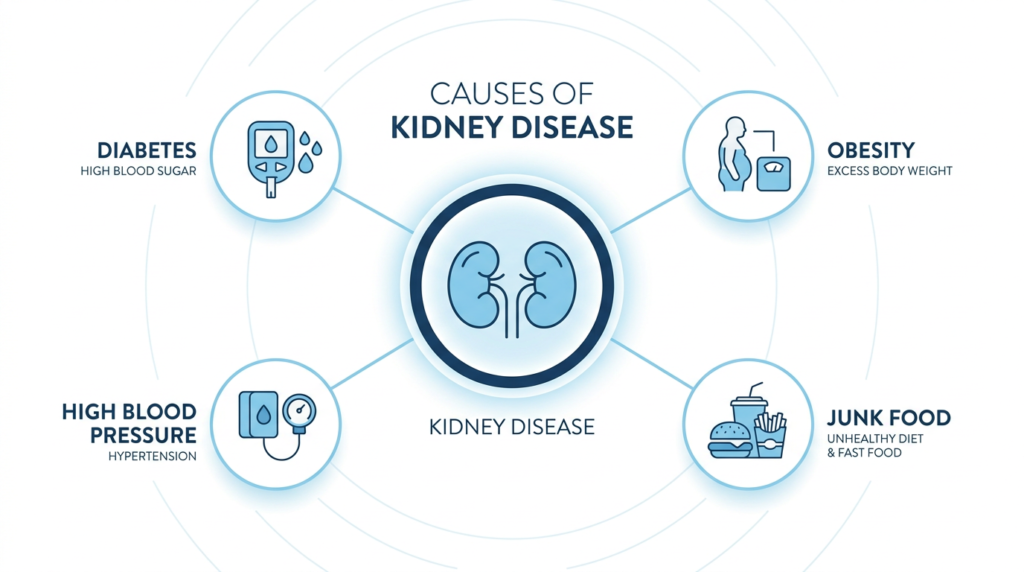
Several modern lifestyle factors are contributing to the rise in kidney disease.
1. Diabetes
Uncontrolled diabetes is one of the leading causes of kidney damage.
High blood sugar levels over time damage the tiny blood vessels in the kidneys, reducing their ability to filter waste properly.
2. High Blood Pressure
Hypertension puts extra pressure on kidney blood vessels.
Over time, uncontrolled blood pressure weakens kidney function and increases the risk of chronic kidney disease.
3. Obesity and Poor Lifestyle
Obesity, unhealthy eating habits, and lack of physical activity increase the risk of:
- Diabetes
- High blood pressure
- Metabolic problems
All of these can indirectly damage the kidneys.
4. Excessive Use of Painkillers
Frequent or unnecessary use of painkillers can harm kidney tissues.
Long-term misuse of certain medications may reduce kidney function gradually.
5. Kidney Stones and Infections
Repeated kidney stones or untreated infections can also affect kidney health and increase the risk of long-term complications.
Early Warning Signs of Kidney Disease
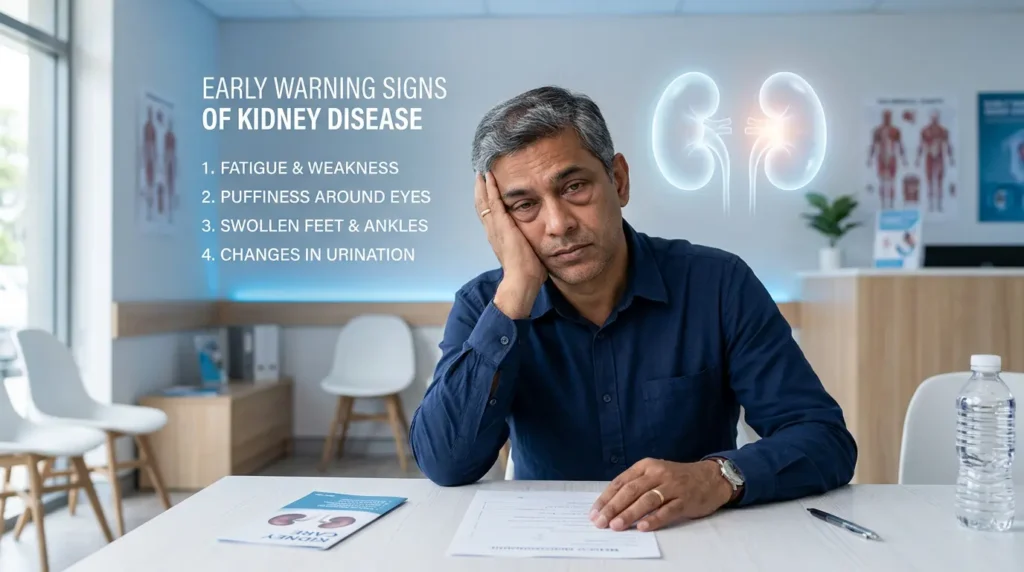
Kidney disease often develops silently in the early stages. Many people may not notice symptoms until significant damage occurs.
Common Warning Signs:
- Foamy or bubbly urine
- Reduced urine output
- Frequent urination at night
- Swelling around eyes, hands, or legs
- Fatigue and weakness
- Nausea or vomiting in advanced stages
Recognizing these symptoms early can help in timely diagnosis and treatment.
Why Prevention Is Important
One of the biggest challenges with kidney disease is that treatment options become limited once the disease reaches advanced stages.
That is why prevention and early management are extremely important.
The Three Pillars of Kidney Disease Prevention
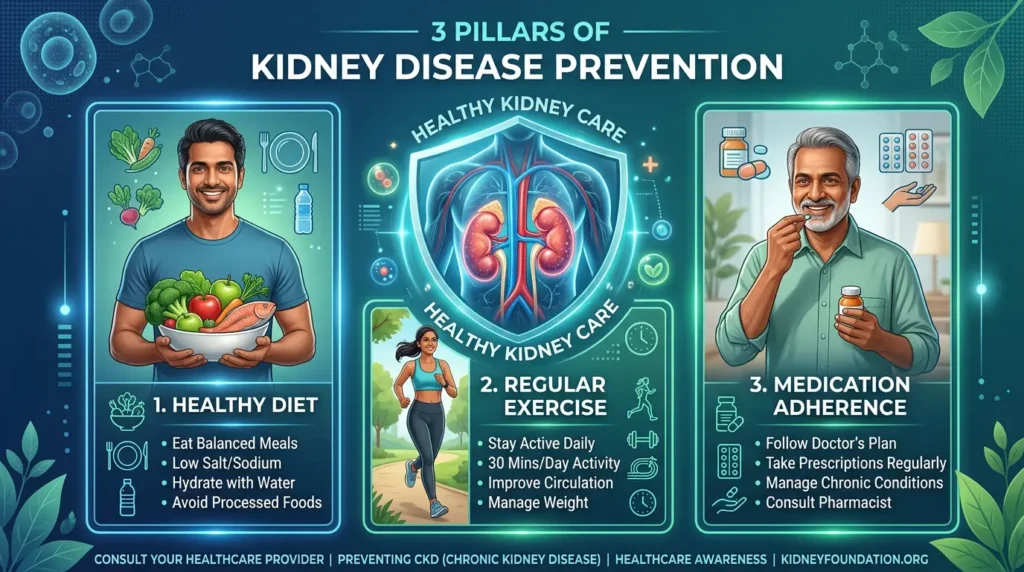
1. Healthy Diet
Diet plays a major role in protecting kidney health.
Important Dietary Tips:
- Reduce excess carbohydrates
- Limit salt intake
- Avoid processed and junk foods
- Increase fibre-rich foods
- Maintain proper hydration
People with existing kidney disease may also need to control protein intake under medical supervision.
2. Regular Physical Activity
Exercise helps improve overall metabolic health and reduces the risk of kidney disease.
Benefits of Physical Activity:
- Controls blood sugar
- Maintains healthy blood pressure
- Helps manage weight
- Improves circulation
It is recommended to:
- Walk or exercise for at least 20–30 minutes
- Stay active most days of the week
3. Medication Adherence
Managing underlying diseases is extremely important.
People with diabetes or hypertension should:
- Take medications regularly
- Follow medical advice consistently
- Avoid stopping medicines without consultation
Ignoring treatment can lead to severe kidney damage and complications in other organs as well.
Treatment Options in Advanced Kidney Disease
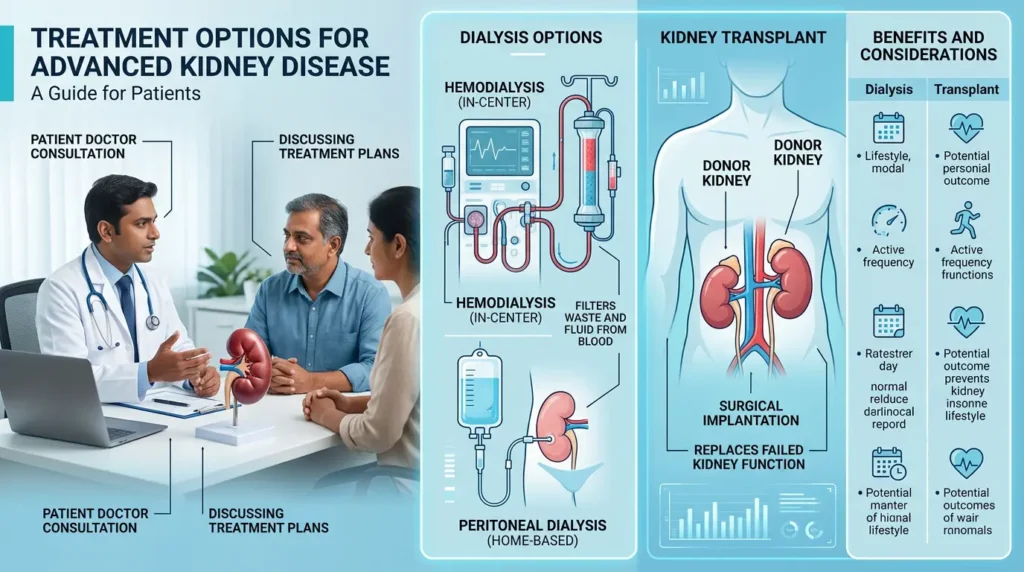
When kidney function declines significantly, treatment options become limited.
Dialysis
Dialysis is a supportive treatment that removes toxins and excess fluids from the body.
Types include:
- Hemodialysis
- Peritoneal dialysis
Although dialysis helps prolong life, it can affect daily routine and quality of life.
Kidney Transplant
For suitable patients, kidney transplant offers a better long-term solution.
Types include:
- Living donor transplant
- Deceased donor transplant
A successful transplant can improve overall quality of life compared to long-term dialysis.
Practical Tips to Protect Kidney Health
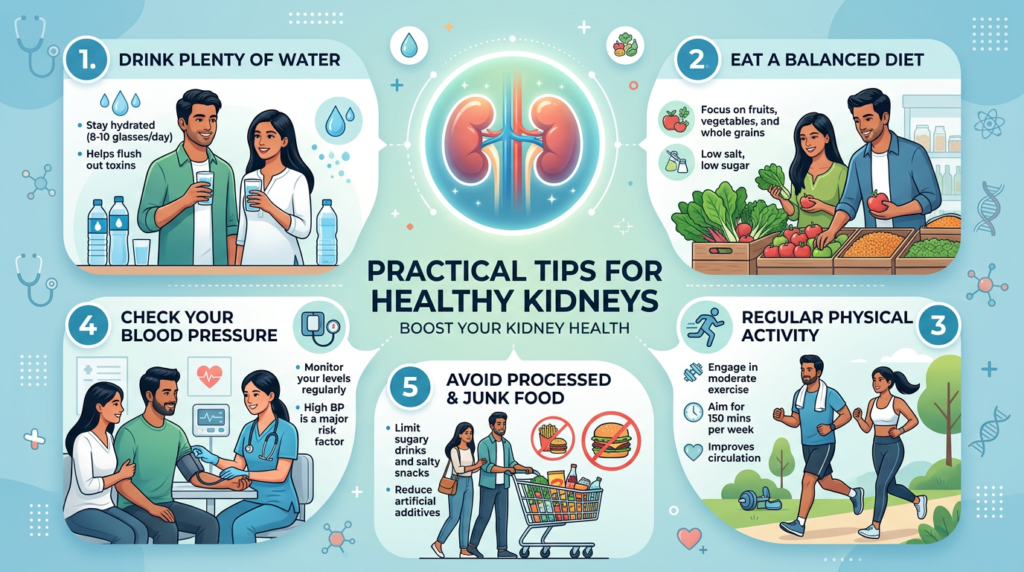
Control Blood Sugar and BP
Regular monitoring is essential.
Stay Hydrated
Drink water according to your body’s needs and doctor’s advice.
Avoid Self-Medication
Do not overuse painkillers or supplements unnecessarily.
Maintain Healthy Weight
Reducing abdominal obesity lowers kidney disease risk.
Get Regular Check-Ups
Routine blood and urine tests help detect problems early.
When Should You See a Doctor?
Consult a doctor if you experience:
- Persistent swelling
- Changes in urination
- High blood pressure
- Diabetes with abnormal reports
- Constant fatigue without explanation
Early diagnosis can slow disease progression and prevent complications.
Conclusion
Kidney disease is increasing rapidly due to modern lifestyle changes, diabetes, obesity, and hypertension.
The condition often develops silently, but healthy habits can significantly reduce the risk.
👉 The key to protecting kidney health is simple:
- Eat healthy
- Stay active
- Control blood sugar and blood pressure
- Follow medical advice regularly
Small lifestyle changes today can help prevent serious kidney problems in the future.
FAQs
1. What is the leading cause of kidney disease?
Diabetes and high blood pressure are the most common causes.
2. Can kidney disease be prevented?
Yes, healthy lifestyle habits and early management can reduce risk.
3. Is drinking more water always better for kidneys?
No, water intake should be balanced according to individual health needs.
4. What are early signs of kidney disease?
Foamy urine, swelling, fatigue, and frequent urination at night.
5. Can kidney disease affect young adults?
Yes, unhealthy lifestyle habits are increasing kidney disease in younger people.