
Introduction
Fiber is one of the most important nutrients for overall digestive and metabolic health, yet many people do not consume enough of it daily. A high-fiber diet supports digestion, improves gut health, helps control blood sugar, and may reduce the risk of conditions like obesity, diabetes, and diverticulosis.
Diverticulosis is a common colon condition where small pouches form in the colon wall. While many people may not notice symptoms, these pouches can sometimes become inflamed and lead to diverticulitis. Increasing fiber intake is one of the best ways to support colon health and reduce complications.
The good news is that adding more fiber to your diet can be simple with small daily changes.
Why Fiber Is Important
Fiber is a type of carbohydrate that the body cannot fully digest.
It helps:
- Improve digestion
- Support gut bacteria
- Prevent constipation
- Maintain healthy cholesterol levels
- Improve blood sugar control
- Increase fullness and support weight management
A fiber-rich diet also supports better bowel movement regularity and colon health.
Best Ways to Add More Fiber to Your Diet
1. Eat More Vegetables and Fruits
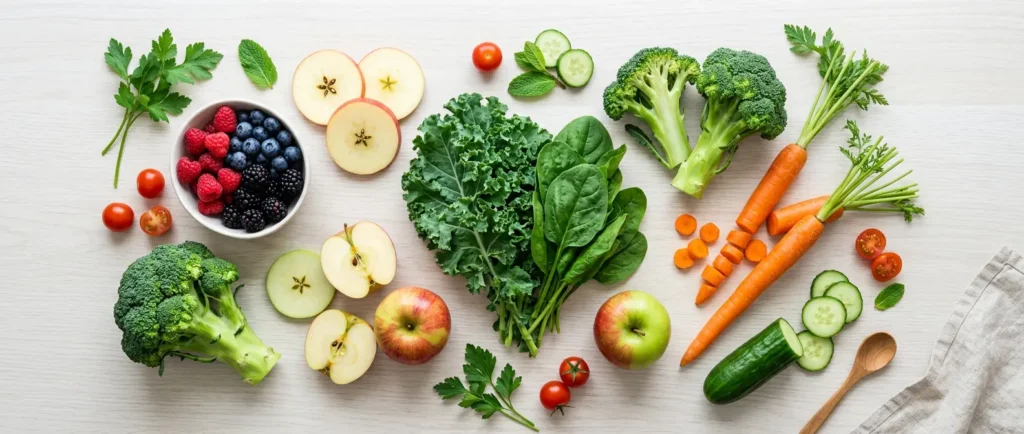
One of the easiest ways to increase fiber intake is by adding more fruits and vegetables to every meal.
Aim for:
- At least 3 servings of vegetables daily
- 2 servings of fruits daily
Examples include:
- Apples
- Guava
- Berries
- Carrots
- Spinach
- Broccoli
Including fruits at breakfast and vegetables at lunch and dinner can significantly improve daily fiber intake.
2. Include Pulses and Legumes
Beans, lentils, chickpeas, and peas are excellent sources of fiber and plant protein.
Try to include them at least 3 times a week.
You can use them:
- In curries
- Soups
- Salads
- As rice replacements
For example, lentils can be used instead of refined grains for better digestion and satiety.
3. Choose Whole Grains Instead of Refined Grains
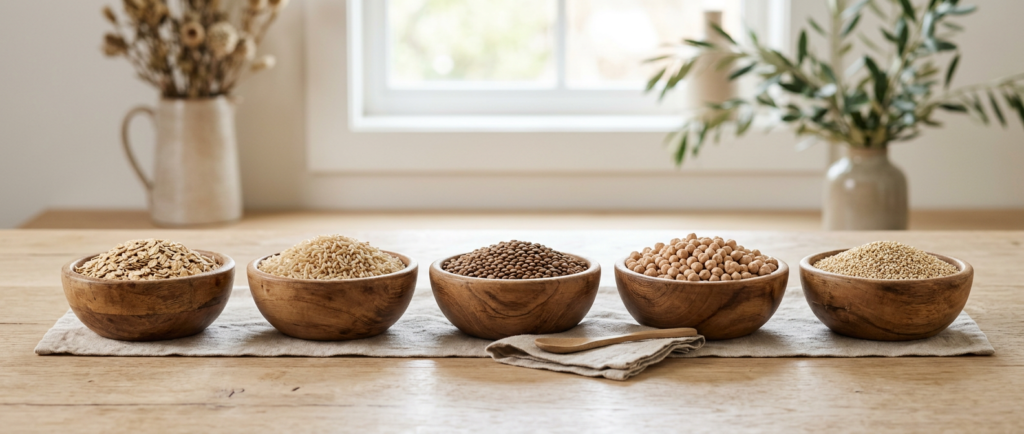
Replacing refined grains with whole grains is another effective strategy.
Instead of:
- White rice → Choose brown rice or millets
- Refined pasta → Choose quinoa or lentil pasta
- White bread → Choose whole grain bread
Whole grains contain more fiber, vitamins, and minerals.
4. Snack Smart
Healthy snacks can also boost fiber intake.
Choose:
- Nuts
- Seeds
- Fruits
- Roasted chickpeas
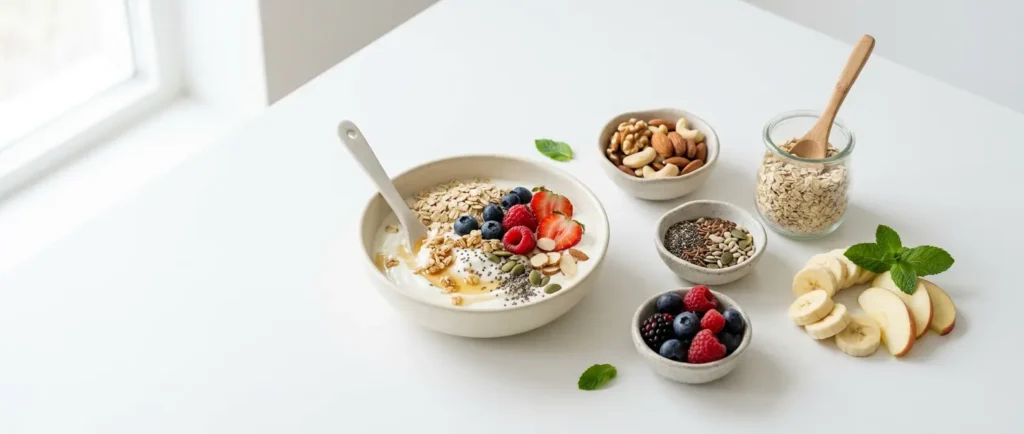
You can also add nuts and seeds to:
- Yogurt
- Oatmeal
- Salads
- Smoothies
These foods improve satiety and digestive health.
5. Read Nutrition Labels
When buying packaged foods, check the nutrition label.
Choose foods with:
👉 At least 5 grams of fiber per serving
This simple habit can help improve fiber intake without major dietary changes.
Increase Fiber Gradually
Adding too much fiber suddenly may cause:
- Gas
- Bloating
- Abdominal cramps
- Diarrhea
This happens because gut bacteria need time to adjust.
A better approach is to:
- Add one extra fiber-rich food weekly
- Increase gradually over time
This helps the digestive system adapt comfortably.
Drink Enough Water
Fiber works best when combined with adequate hydration.
Drinking enough water helps:
- Prevent constipation
- Improve digestion
- Help fiber move smoothly through the intestines
Aim to drink fluids regularly throughout the day.
How Fiber Supports Digestive Health
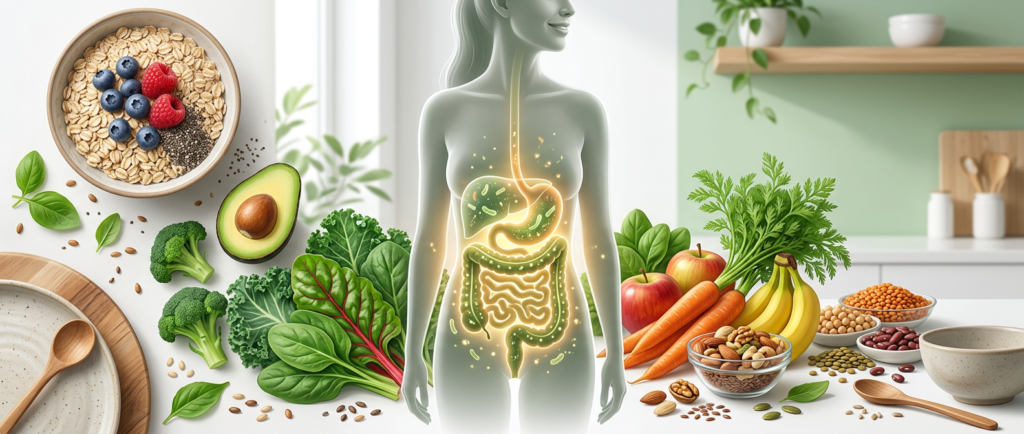
A high-fiber diet may reduce the risk of:
- Constipation
- Diverticulosis complications
- Blood sugar spikes
- Overeating
Fiber also feeds healthy gut bacteria, improving overall gut function and immunity.
Simple Daily Fiber Tips
Breakfast
Add fruits or chia seeds to oatmeal.
Lunch
Include vegetables and lentils.
Snacks
Choose nuts and fruit instead of processed snacks.
Dinner
Replace refined grains with whole grains or legumes.
Small daily habits can make a big difference.
Conclusion
Adding more fiber to your diet is one of the simplest and most effective ways to improve digestive and overall health.
By including:
- Fruits and vegetables
- Whole grains
- Legumes
- Nuts and seeds
you can support gut health, improve blood sugar control, and reduce the risk of digestive problems.
👉 Remember:
Increase fiber slowly, drink enough water, and focus on consistent healthy eating habits for long-term benefits.
FAQs
1. How much fiber should adults consume daily?
Most adults should aim for around 25–35 grams daily.
2. What are the best high-fiber foods?
Fruits, vegetables, legumes, whole grains, nuts, and seeds.
3. Can too much fiber cause problems?
Yes, sudden excess fiber can cause bloating and gas.
4. Why is water important with fiber?
Water helps fiber move properly through the digestive system.
5. Does fiber help with weight management?
For personalized nutrition and lifestyle guidance, connect with Dr. Rajender’s Lifestyle Clinic and take the next step toward better digestive health and overall wellness.