
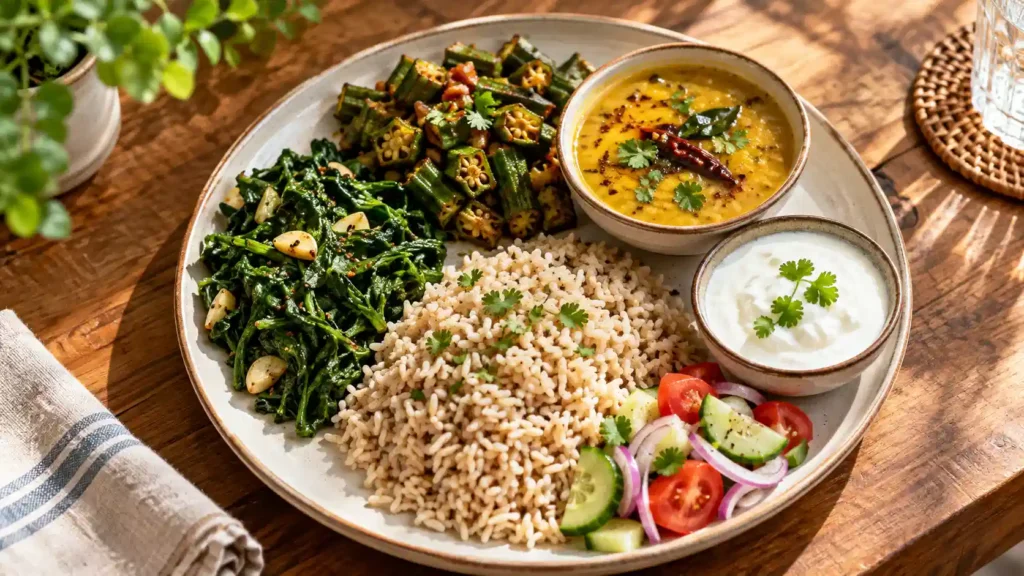
Rice is a staple food in many Indian households, so one of the most common questions people with diabetes ask is, “Can diabetics eat rice every day?”
Having diabetes does not automatically mean that rice must be completely removed from your diet. Rice contains carbohydrates, which can raise blood glucose after eating. However, the effect can depend on the portion size, type of rice, what you eat with it, meal timing, physical activity, and your individual blood sugar response.
For many people with Type 2 diabetes, the goal is not simply to eliminate one food. A sustainable diabetes diet focuses on balanced meals, appropriate portions, adequate protein and vegetables, and regular physical activity.
How Does Rice Affect Blood Sugar?
Rice is primarily a source of carbohydrates. During digestion, carbohydrates are broken down into glucose, which can increase blood sugar.
The response can vary from person to person. A large serving of rice, especially when eaten without enough vegetables or protein, may result in a larger post-meal blood sugar rise.
This does not mean rice is automatically unhealthy for someone with diabetes. Instead, portion control and the overall meal composition are important.
Monitoring your blood sugar as recommended by your healthcare professional can also help you understand how your usual meals affect you.
How Much Rice Can a Person With Diabetes Eat?
There is no single rice portion that is appropriate for every person with diabetes.
Your ideal portion may depend on factors such as:
- Your current blood glucose levels
- Medication or insulin use
- Physical activity
- Body weight and metabolic health
- Total carbohydrate intake
- Other foods included in the meal
Instead of filling most of the plate with rice, consider making vegetables and protein an important part of the meal and keeping the rice portion moderate.
A personalized nutrition plan can help determine an appropriate portion based on your individual needs.
Is White Rice Bad for Diabetes?
White rice is more refined than some less-processed whole-grain options and can cause a relatively rapid rise in blood glucose in some people.
However, simply replacing white rice with another type of rice does not automatically make a meal diabetes-friendly. Portion size and the overall meal pattern still matter.
If you enjoy rice, you can discuss suitable portions and alternatives with your healthcare professional rather than completely eliminating it without a clear reason.
How to Eat Rice Without Causing Large Blood Sugar Spikes
Combine Rice With Protein
Adding a protein source such as dal, beans, eggs, fish, chicken, paneer or curd can make the meal more balanced.
Add Non-Starchy Vegetables
Vegetables such as leafy greens, cucumber, cauliflower, beans, gourds and other non-starchy vegetables can add fiber and volume to the meal without relying heavily on carbohydrates.
Control Your Portion Size
A large bowl of rice can provide a substantial carbohydrate load. Keeping the portion appropriate for your individual meal plan is more useful than simply labeling rice as “good” or “bad.”
Stay Physically Active
Regular physical activity can support blood glucose management and insulin sensitivity. Even simple activities such as walking can form part of an overall diabetes management plan.
Which Rice Is Better for People With Diabetes?
Different varieties of rice have different nutritional characteristics and may affect blood glucose differently. However, there is no universally “best” rice for everyone with diabetes.
The more important questions are:
- How much rice are you eating?
- What are you eating with it?
- How frequently are you eating it?
- How does your blood glucose respond?
- Does it fit into your overall nutrition plan?
These factors can be more useful than focusing only on the name of the rice variety.
Can Rice Be Part of a Diabetes Reversal Diet?
For some people with Type 2 diabetes, improving overall diet quality, managing weight, increasing physical activity and addressing insulin resistance can contribute to improved blood glucose control and, in appropriate cases, remission.
This does not necessarily require completely eliminating traditional foods such as rice.
At Dr. Rajender’s Lifestyle Clinic, diabetes care focuses on personalized nutrition, lifestyle correction, physical activity and continuous medical guidance. The goal is to build sustainable lifestyle changes based on an individual’s metabolic health rather than relying on a one-size-fits-all diet.
Frequently Asked Questions
Can diabetics eat rice every day?
Some people with diabetes may be able to include rice regularly, but the appropriate amount depends on individual health needs, blood sugar levels, medication, activity and overall diet.
Is white rice completely forbidden for diabetes?
No food needs to be automatically considered forbidden for everyone. However, white rice can raise blood glucose significantly in some people, particularly when eaten in large portions.
Should I stop eating rice if I have Type 2 diabetes?
Not necessarily. Instead, discuss your carbohydrate portions and overall meal pattern with a qualified healthcare professional.
Is brown rice better than white rice for diabetes?
Brown rice contains more fiber because it is less processed, but portion size and the overall meal still matter. Individual blood glucose responses can also differ.
Can walking after eating rice help blood sugar?
Post-meal physical activity may help manage blood glucose for some people. The type and intensity of activity should be appropriate for your health and treatment plan.
Conclusion
Can diabetics eat rice every day? For some people, rice can be included as part of a balanced diabetes-friendly eating pattern. The key factors are portion size, meal composition, food quality, physical activity and individual blood glucose response.
Rather than completely avoiding rice, focus on building balanced meals with vegetables, protein and an appropriate carbohydrate portion. If your blood sugar remains difficult to control, a personalized assessment can help identify the factors affecting your results.
Medical Disclaimer: This article is for general educational purposes and does not replace individualized medical advice. Do not stop or change diabetes medication without guidance from your healthcare professional.
Read Also:
