
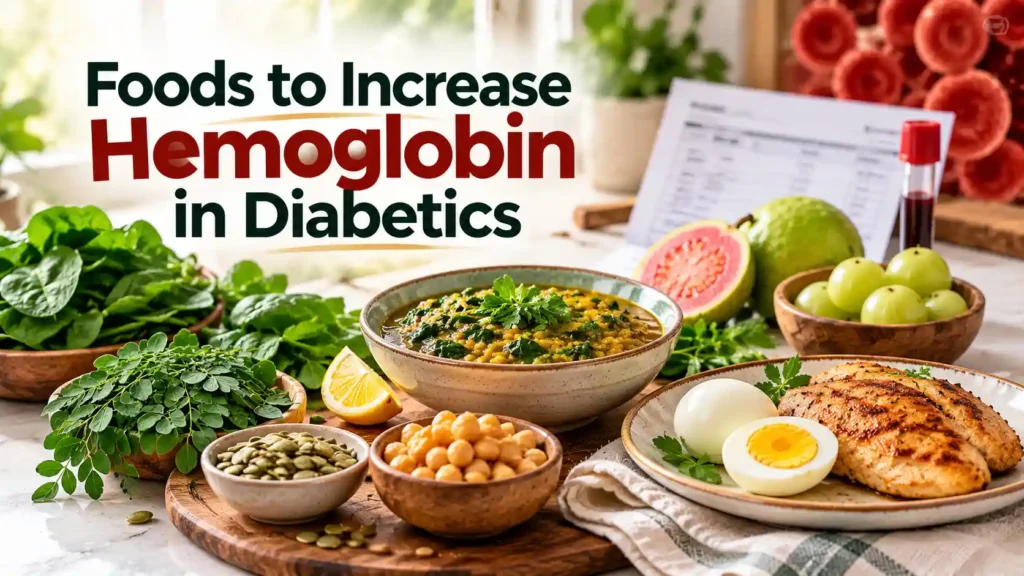
Foods to Increase Hemoglobin in Diabetics: Feeling tired, weak or short of breath is often associated with high blood sugar, but anemia can also be a reason.
Anemia means that the body does not have enough healthy red blood cells or hemoglobin to adequately support normal oxygen delivery.
In people with diabetes, different factors may contribute to low hemoglobin levels.
Why Is Anemia Common in Some Diabetic Patients?
Iron Deficiency
One possible cause is iron deficiency anemia.
Some people with diabetes may restrict their food intake because they are worried that eating certain foods will increase blood sugar. As a result, they may not get enough iron and other nutrients from their diet.
Vitamin B12 Deficiency
Another possibility is vitamin B12 deficiency, which can lead to megaloblastic anemia.
Long-term use of metformin, particularly in higher doses, is also discussed in relation to vitamin B12 deficiency in some people.
Kidney Problems
People with diabetic nephropathy or kidney failure may also develop anemia.
The kidneys produce a hormone called erythropoietin, which is involved in red blood cell production. When kidney function is significantly affected, erythropoietin levels may decrease, which can reduce red blood cell production.
Chronic Inflammation
Diabetes and insulin resistance can be associated with an inflammatory state. Inflammatory changes may also affect red blood cell function and contribute to anemia.
Silent Blood Loss
In rare cases, hidden bleeding from the intestine may also contribute to a reduction in hemoglobin.
What Foods Can Help Support Hemoglobin?
A nutritious diet can provide iron and other nutrients needed for healthy blood production.
1. Leafy Greens
Leafy greens such as spinach can provide iron and can be included as part of a balanced diabetes diet.
Drumstick leaves (moringa leaves) are also highlighted as an iron-rich food.
However, the amount of a food eaten and how the body absorbs its nutrients both matter.
2. Improve Iron Absorption
Some plant foods contain compounds such as phytates and oxalates, which can reduce iron absorption.
For this reason, simply mixing moringa leaf powder in water may not provide the same benefit as using the leaves in a prepared meal.
Cooking the leaves well and including them in dishes such as moringa dal or leafy-green dal is suggested.
Adding a source of vitamin C, such as lemon, can also help improve iron absorption.
3. Lentils and Pulses
Foods such as:
- Chickpeas
- Lentils
- Dal
- Other pulses
can provide both protein and iron.
Including these foods regularly can help make the diet more nutrient-dense.
4. Amla and Guava
Amla (Indian gooseberry) and guava are also mentioned as useful fruit choices.
They can be included as part of a balanced eating pattern while considering appropriate portions for diabetes.
5. Nuts and Seeds
Seeds such as pumpkin seeds can be included as another nutrient-rich option.
They provide nutrients that can contribute to a balanced diet and are mentioned among foods that may support hemoglobin levels.
6. Eggs and Chicken
For people who eat non-vegetarian foods, eggs and chicken are also included among the food choices discussed for supporting iron intake.
These can be incorporated into a balanced diabetes meal plan.
A Simple Daily Meal Pattern
Instead of focusing on one single food, aim for nutritious choices throughout the day.
Breakfast
Instead of plain idli or dosa alone, add sprouts and include a boiled egg if suitable.
Lunch
Choose leafy-green dal and add lemon to the meal to support iron absorption.
Fruit options such as pomegranate can also be included in an appropriate portion.
Throughout the Day
Include a combination of leafy greens, pulses, vegetables, nuts or seeds and other nutrient-rich foods according to your individual diabetes meal plan.
How Much Iron Do Adults Need?
The supplied guidance mentions 18 mg of iron per day as a general daily requirement.
However, individual requirements can vary depending on age, sex, health status and the reason for anemia.
A balanced diet should therefore be planned according to personal nutritional needs.
Why Should Anemia Not Be Ignored?
Anemia is not simply a minor problem that can always be managed by food alone.
Long-standing or severe anemia can affect overall health and may place additional stress on the body. Serious cases may require medical treatment.
Depending on the cause and severity, treatment may include iron supplements. In severe anemia, doctors may consider iron injections or blood transfusion when medically necessary.
Final Takeaway
Fatigue, weakness and breathlessness in a person with diabetes should not automatically be attributed to high blood sugar. Anemia may also be a contributing factor.
Iron deficiency, vitamin B12 deficiency, kidney disease, inflammation and, rarely, hidden blood loss can contribute to low hemoglobin.
Include nutrient-rich foods such as leafy greens, moringa leaves, lentils, chickpeas, amla, guava, pumpkin seeds, eggs and chicken, while also paying attention to iron absorption. Adding vitamin C-rich foods such as lemon may help improve absorption from plant-based foods.
When hemoglobin is significantly low or symptoms persist, proper medical evaluation is important rather than relying only on diet.
Frequently Asked Questions
Can diabetes cause anemia?
Anemia can occur in people with diabetes for several reasons, including iron deficiency, vitamin B12 deficiency, kidney disease, inflammation and, in rare cases, hidden blood loss.
What foods can help support hemoglobin in diabetes?
Leafy greens, moringa leaves, lentils, chickpeas, amla, guava, pumpkin seeds, eggs and chicken are among the foods discussed.
Is spinach good for low hemoglobin?
Spinach contains iron and can be included as part of a balanced diet. Other iron-rich foods should also be included rather than relying on one food alone.
Can vitamin C improve iron absorption?
Adding a vitamin C source such as lemon to meals containing plant-based iron is suggested to help improve iron absorption.
Can metformin affect vitamin B12?
Long-term metformin use, particularly at higher doses, is discussed in relation to vitamin B12 deficiency in some people. Medical monitoring may be appropriate when there are concerns.
Can kidney disease cause anemia in diabetes?
Yes. Kidney disease can reduce erythropoietin production, which can contribute to reduced red blood cell production.
What should I do if my hemoglobin is very low?
A significantly low hemoglobin level requires medical evaluation to identify the cause. Depending on severity, treatment may include supplements, injections or, in severe cases, blood transfusion.
Is diet alone enough to treat anemia?
Not always. The correct treatment depends on the underlying cause and severity of anemia. Some people may require supplements or other medical treatment.
Diabetes and Nutrition Care at Dr. Rajender’s Lifestyle Clinic
At Dr. Rajender’s Lifestyle Clinic, Banjara Hills, Hyderabad, diabetes care focuses on personalized nutrition, physical activity, lifestyle correction and appropriate medical guidance. Dr. Rajender Ramagiri, Founder & Lead Physician, helps patients work toward better metabolic health through a structured, evidence-based approach.
For low hemoglobin, persistent fatigue, breathlessness or suspected nutrient deficiencies along with diabetes, professional evaluation can help identify the underlying cause and guide appropriate treatment.

One Response