

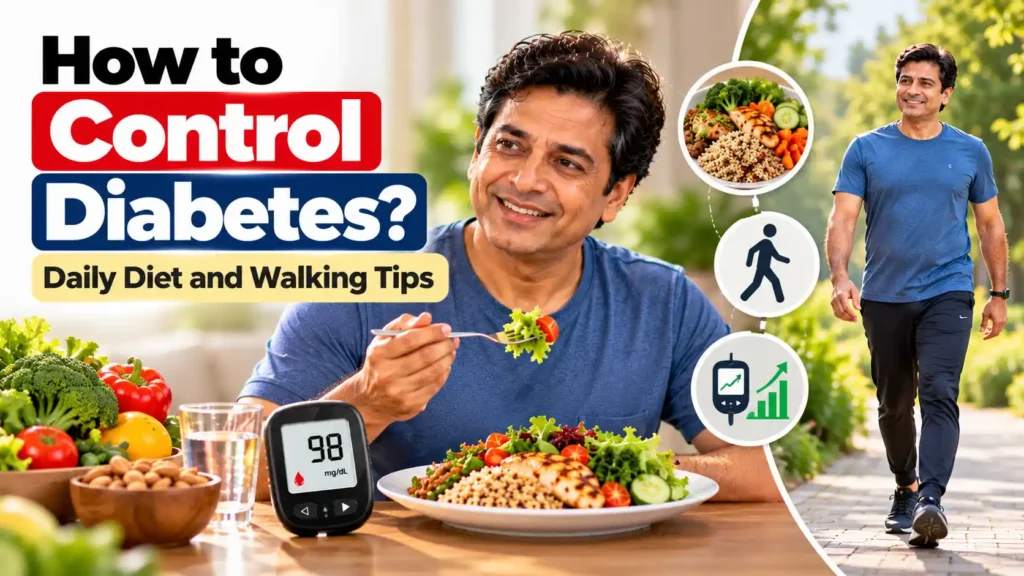
How to Control Diabetes Through Daily Habits?
Managing diabetes involves more than checking blood sugar levels. Daily food choices, meal planning and physical activity are important parts of an overall diabetes management routine.
People with diabetes should pay attention to what they eat, how much they eat and how regularly they remain physically active. Developing practical habits can make it easier to follow a consistent routine.
At Dr. Rajender’s Lifestyle Clinic, diabetes management combines medical guidance with nutrition and sustainable lifestyle changes to support long-term metabolic health.
1. Follow a Consistent Diabetes Diet Plan
A planned diet can help people with diabetes manage their daily food intake. Instead of choosing meals without considering their nutritional content, pay attention to portion sizes and the overall balance of your meals.
The right meal plan depends on individual blood sugar levels, activity, nutritional needs and prescribed treatment.
Try to plan your breakfast, lunch, dinner and snacks in advance. This can make it easier to maintain a consistent eating routine and avoid relying entirely on convenience foods.
2. Choose Breakfast Foods Carefully
Breakfast is one of the meals discussed in the provided video. Choosing suitable foods and controlling portions can help you manage your overall carbohydrate intake.
Multigrain bread is mentioned in the transcript as one possible food choice. However, the suitability of a product depends on its ingredients, fibre content and portion size. The term multigrain alone does not guarantee that a bread is suitable for diabetes.
Check food labels and consider how breakfast fits into your overall diet rather than focusing on one food item alone.
3. Include Vegetables in Your Meals
Vegetables can form an important part of a balanced eating plan for people with diabetes.
Include suitable vegetables in your regular meals and consider how they are prepared. A balanced meal should be planned around individual nutritional requirements rather than relying on a single food to control blood sugar.
The appropriate choices and portions may vary according to personal dietary needs and other health conditions.
4. Pay Attention to Water Intake
Staying adequately hydrated is part of maintaining general health. However, there is no single daily water quantity that is suitable for every person.
Your fluid needs may depend on factors such as your activity level, surrounding temperature and medical conditions. People who have kidney or heart problems may require specific advice about fluid intake.
Follow your healthcare professional’s recommendations instead of forcing yourself to drink a fixed amount of water.
5. Make Walking Part of Your Daily Routine
Physical activity is another important element of diabetes management.
Walking makes the muscles work and use glucose for energy, which may help support blood sugar control. The provided video also highlights walking after dinner as a daily habit.
If outdoor walking is difficult, walking indoors may be a practical alternative for people who can do so safely.
Start with activity suited to your ability and build a consistent routine. People with foot complications, balance difficulties or a history of low blood sugar during exercise should ask their healthcare professional about suitable precautions.
6. Monitor Your Blood Sugar Regularly
Blood sugar monitoring can help you and your healthcare professional understand how your current management plan is working.
Record your readings as advised and discuss persistently high or low results with your healthcare team. Do not change or stop diabetes medication based only on dietary changes or a few normal readings.
A treatment plan should be reviewed when blood sugar remains outside your recommended range.
Conclusion
How can you control diabetes through daily habits? Start with a consistent eating routine, appropriate food portions, suitable breakfast choices, vegetables, adequate hydration and regular physical activity.
Walking after dinner can be one practical way to include movement in your day, provided it is suitable for your health and abilities.
Remember that diabetes management is individual. Food choices, exercise and prescribed treatment should work together to support your blood sugar goals.
Consult Dr. Rajender’s Lifestyle Clinic
Dr. Rajender’s Lifestyle Clinic, Banjara Hills, Hyderabad, offers personalized diabetes and lifestyle management.
Dr. Rajender Ramagiri, Founder & Lead Physician, holds MBBS, MEM and FCCS (USA) credentials. His approach combines medical guidance with nutrition and sustainable lifestyle changes to support long-term metabolic health.
Consult the clinic to discuss your blood sugar readings, meal planning and a diabetes management routine suited to your needs.
Frequently Asked Questions
1. What are the best diabetes control tips?
Follow an individualized diet plan, manage food portions, stay physically active, monitor blood sugar and take prescribed medications as directed.
2. What should diabetic patients eat for breakfast?
Breakfast should fit your individual nutritional needs and carbohydrate goals. Check the ingredients and portion sizes of foods such as multigrain bread rather than assuming that a product is automatically suitable for diabetes.
3. Is walking after dinner good for diabetes?
Walking after dinner may help increase physical activity and support blood sugar management. The appropriate duration and intensity depend on your health and physical ability.
4. Can vegetables help manage diabetes?
Vegetables can be included in a balanced diabetes diet. Suitable choices and portion sizes depend on individual dietary requirements and any other health conditions.
5. How much water should diabetic patients drink daily?
Fluid needs vary between individuals. People with kidney or heart conditions may need specific fluid guidance from their healthcare professional.
6. Can lifestyle changes replace diabetes medication?
No. Lifestyle changes can support diabetes management, but you should not stop or change prescribed medication without consulting your healthcare professional.
Read Also:


One Response