
What Is the Difference Between Insulin Resistance and Diabetes?
Insulin resistance and diabetes are related, but they are not the same condition. Understanding the difference can help people recognise metabolic risk and seek appropriate testing.
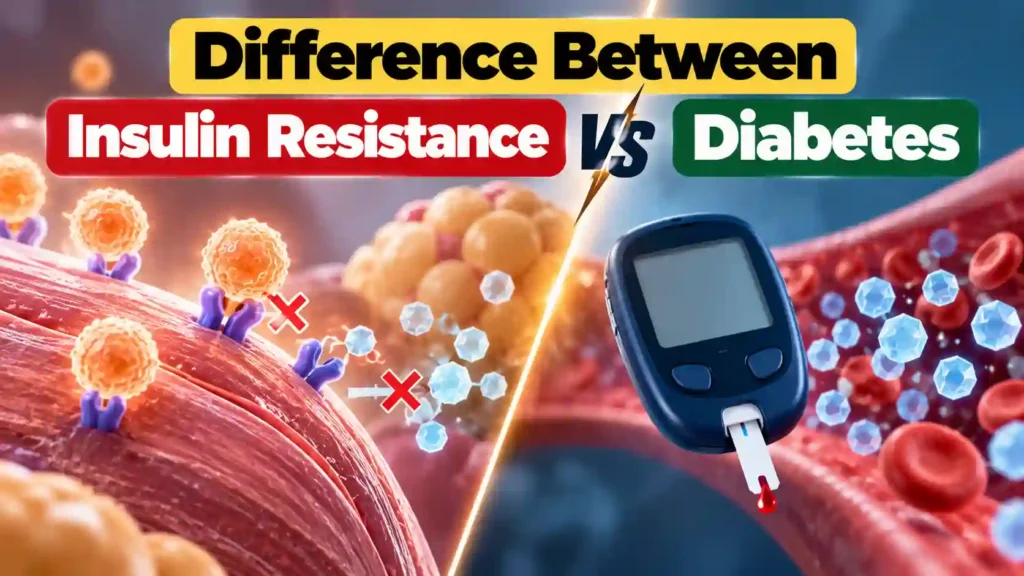
Insulin resistance occurs when the body’s cells respond less effectively to insulin. Diabetes develops when blood glucose becomes abnormally high because the body cannot produce enough effective insulin to meet its needs.
Insulin resistance can occur before diabetes develops. However, not everyone with insulin resistance will develop diabetes, and diabetes can develop through different mechanisms.
What Is Insulin Resistance?
Insulin is a hormone produced by the pancreas. It helps glucose move from the bloodstream into cells, where it can be used for energy or stored.
When insulin resistance develops, muscle, liver, and other tissues respond less effectively to insulin. The pancreas may initially compensate by producing more insulin to help keep blood glucose within the normal range.
During this stage, a person can have insulin resistance without having diabetes.
Over time, some people are unable to produce enough insulin to compensate. Blood glucose may then rise, leading to prediabetes or Type 2 diabetes.
What Is Diabetes?
Diabetes is a condition characterised by persistently elevated blood glucose.
The main types include:
- Type 1 diabetes: The immune system destroys the insulin-producing cells in the pancreas, resulting in little or no insulin production.
- Type 2 diabetes: The body develops insulin resistance and/or cannot produce enough insulin to maintain normal glucose levels.
- Gestational diabetes: Diabetes diagnosed during pregnancy that requires specific monitoring and care.
Insulin resistance is especially associated with Type 2 diabetes, but it is not the only cause of diabetes.
What Are the Symptoms?
Insulin Resistance
Insulin resistance often causes no obvious symptoms. Some people may have associated conditions such as abdominal weight gain, high blood pressure, abnormal cholesterol levels, or darkened skin around the neck or armpits.
These signs do not confirm insulin resistance. A healthcare professional may assess risk factors and recommend appropriate tests.
Diabetes
Diabetes may also be present without noticeable symptoms, particularly in its early stages. Possible symptoms include:
- Increased thirst.
- Frequent urination.
- Unusual tiredness.
- Blurred vision.
- Unexplained weight loss.
- Slow-healing wounds.
- Recurrent infections.
Symptoms can vary by diabetes type and severity. Seek medical assessment if you experience these signs, especially if they are new or persistent.
How Are Insulin Resistance and Diabetes Diagnosed?
There is no single universally accepted routine test that independently diagnoses insulin resistance in every person.
Healthcare professionals may assess risk factors and associated conditions, including weight, blood pressure, cholesterol, and blood glucose. Fasting insulin tests are not generally sufficient on their own to diagnose insulin resistance in everyday clinical practice.
Diabetes and prediabetes are diagnosed using established blood tests. Common tests include:
| Test | Prediabetes range | Diabetes range |
|---|---|---|
| HbA1c | 5.7–6.4% | 6.5% or higher |
| Fasting plasma glucose | 100–125 mg/dL | 126 mg/dL or higher |
| Two-hour glucose during a 75 g oral glucose tolerance test | 140–199 mg/dL | 200 mg/dL or higher |
These are commonly used criteria for nonpregnant adults. In the absence of clear symptoms or a hyperglycaemic crisis, an abnormal result generally requires confirmation with repeat testing. Your clinician can interpret the results in context.
Can Insulin Resistance Be Improved?
For many people, insulin sensitivity can improve with appropriate lifestyle changes and medical care.
Helpful measures may include:
- Regular physical activity suited to your health.
- A balanced diet with appropriate portions.
- Adequate sleep.
- Weight management when medically appropriate.
- Treatment of associated conditions, such as high blood pressure or abnormal cholesterol.
- Medical monitoring based on individual risk.
Not everyone with insulin resistance needs medication, but some people may benefit from medical treatment depending on their overall risk.
Does Insulin Resistance Always Lead to Diabetes?
No. Some people remain insulin-resistant without developing diabetes, while others progress to prediabetes or Type 2 diabetes. Risk depends on genetics, age, body composition, activity, diet, other medical conditions, and pancreatic insulin production.
Regular screening is useful for people with risk factors because early abnormalities may not cause symptoms.
Frequently Asked Questions
1. Can you have insulin resistance with normal blood sugar?
Yes. The body may produce additional insulin to compensate for reduced insulin sensitivity, keeping blood glucose within the normal range for a period.
2. Is insulin resistance the same as prediabetes?
No. Insulin resistance is a physiological process, while prediabetes is defined by blood glucose levels above the normal range but below the diabetes threshold.
3. Can insulin resistance be reversed?
Insulin sensitivity can improve in many people, but the degree of improvement varies. There is no guarantee that every case can be fully reversed.
4. Can thin people have insulin resistance?
Yes. Insulin resistance can occur in people who are not overweight. Genetics, body fat distribution, medications, and other factors can influence risk.
5. Does everyone with Type 2 diabetes have insulin resistance?
Insulin resistance is common in Type 2 diabetes, but reduced insulin production also plays an important role. The relative contribution varies from person to person.
Conclusion
Insulin resistance and diabetes are connected but distinct. Insulin resistance can exist while blood glucose remains normal, whereas diabetes involves blood glucose levels that meet diagnostic criteria. Early assessment and appropriate lifestyle and medical care can help address metabolic risk.
For assessment of blood sugar, metabolic risk, and personalised lifestyle guidance, consult Dr. Rajender’s Lifestyle Clinic, Banjara Hills, Hyderabad. The clinic provides evidence-based support for diabetes prevention and management.
Read Also:

One Response