

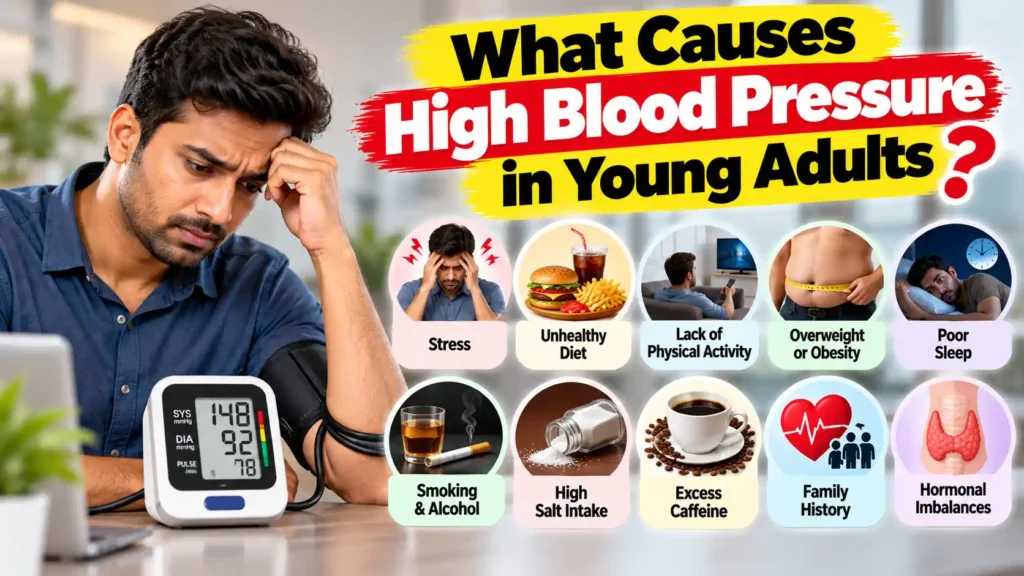
What Causes High Blood Pressure in Young Adults: High blood pressure, also called hypertension, is often associated with older adults. However, it can also affect young adults in their 20s and 30s. Because younger people may feel healthy and active, they might not realise that their blood pressure is elevated.
Blood pressure measures the force of blood against the walls of the arteries. When it remains consistently high, it can increase the risk of heart disease, stroke, kidney problems, and other complications over time.
High blood pressure in young adults can result from lifestyle factors, family history, underlying medical conditions, or a combination of these. Identifying the cause early can help people manage their blood pressure and protect their long-term health.
At Dr. Rajender’s Lifestyle Clinic, Banjara Hills, Hyderabad, lifestyle habits and medical risk factors can be considered together when developing an appropriate blood pressure management plan.
1. Family History and Genetics
A family history of hypertension can increase the likelihood of developing high blood pressure at a younger age. Genetic factors can influence how the body regulates blood pressure, salt balance, and blood vessel function.
However, having a family history does not mean hypertension is inevitable. Regular monitoring, balanced nutrition, physical activity, and avoiding tobacco can help reduce modifiable risks.
If close family members have hypertension, consider discussing an appropriate blood pressure screening schedule with your healthcare professional.
2. High Salt Intake
Frequent consumption of high-sodium foods can contribute to elevated blood pressure, particularly in people who are salt-sensitive.
Common sources include:
- Packaged savoury snacks.
- Instant noodles and ready-made meals.
- Pickles and salty chutneys.
- Processed meats.
- Restaurant and takeaway foods with high salt content.
Reducing excess sodium and choosing more fresh, minimally processed foods can support blood pressure management. Check food labels and remember that sodium may be present in foods that do not taste particularly salty.
3. Physical Inactivity and Excess Body Weight
Long periods of sitting and insufficient physical activity can contribute to cardiovascular risk. Excess body fat, especially when associated with abdominal fat accumulation, is also linked with a greater risk of hypertension.
Young adults with desk-based jobs may spend most of the day sitting and have little time for exercise.
Practical steps include regular walking, breaking up long sitting periods, and gradually working towards a consistent exercise routine. Adults are generally encouraged to aim for at least 150 minutes of moderate-intensity aerobic activity each week, alongside muscle-strengthening activities on at least two days, as their health and fitness allow.
4. Stress and Poor Sleep
Work pressure, financial concerns, academic demands, and other sources of stress can affect daily routines and blood pressure. Stress may temporarily raise blood pressure, while chronic stress can contribute indirectly through poor sleep, unhealthy eating, or reduced activity.
Insufficient sleep is also associated with an increased risk of hypertension. Some young adults may have undiagnosed sleep apnoea, particularly if they snore loudly or experience excessive daytime sleepiness.
Maintaining a consistent sleep schedule, managing stress, and seeking medical advice for persistent sleep problems can help support overall cardiovascular health.
5. Smoking, Alcohol, and Stimulants
Nicotine can temporarily raise blood pressure and heart rate. Smoking and tobacco use also increase cardiovascular risk.
Excessive alcohol intake can contribute to hypertension. Certain stimulant substances and recreational drugs can also cause significant blood pressure increases.
Some energy drinks and high caffeine intake may temporarily raise blood pressure in susceptible people. If your readings are elevated, discuss your caffeine intake and any stimulant products with your healthcare professional.
6. Underlying Medical Conditions
High blood pressure in young adults sometimes has a secondary cause, meaning another medical condition or substance is contributing to it.
Possible causes include:
- Kidney disease.
- Thyroid disorders.
- Primary aldosteronism and other hormonal conditions.
- Obstructive sleep apnoea.
- Certain prescription medicines, including some anti-inflammatory drugs and hormonal medicines.
- Some supplements, stimulants, or recreational drugs.
A clinician may consider these possibilities if hypertension begins at a young age, is severe, develops suddenly, or remains difficult to control.
How Can Young Adults Check Their Blood Pressure Correctly?
A single high reading does not always mean a person has hypertension. Blood pressure can temporarily rise due to stress, exercise, caffeine, smoking, pain, or an incorrectly sized cuff.
For a more reliable measurement:
- Avoid exercise, smoking, and caffeine for about 30 minutes beforehand.
- Sit quietly for five minutes.
- Keep your back supported, feet flat on the floor, and arm supported at heart level.
- Use a validated upper-arm monitor with the correct cuff size.
- Take two readings about one minute apart and record them.
A healthcare professional can help confirm whether readings indicate hypertension and determine whether additional tests are needed. Do not diagnose yourself based on one measurement.
Frequently Asked Questions
1. Can a 25-year-old have high blood pressure?
Yes. Hypertension can affect adults of any age, including people in their 20s. Regular screening is useful even when there are no symptoms.
2. Does high blood pressure always cause symptoms?
No. Hypertension is often symptomless. Headaches or dizziness alone cannot reliably determine whether blood pressure is high.
3. Can high blood pressure in young adults be reversed?
Some people can substantially improve their blood pressure through lifestyle changes, and some may achieve normal readings. Others need ongoing medication. Never stop prescribed treatment without medical advice.
4. Can stress cause high blood pressure?
Stress can cause temporary increases and may contribute to long-term risk through associated habits and sleep disruption. Persistent hypertension requires proper assessment rather than assuming stress is the only cause.
5. When should a young adult see a doctor for high BP?
Arrange a medical assessment for repeatedly elevated readings, especially if hypertension occurs at a young age. Seek emergency care for a very high reading accompanied by chest pain, shortness of breath, weakness, confusion, or vision changes.
Conclusion
High blood pressure in young adults can be associated with genetics, high salt intake, physical inactivity, excess body weight, poor sleep, stress, substances, or underlying medical conditions. Early detection and appropriate treatment can help reduce long-term complications.
If you are concerned about high blood pressure or your cardiovascular health, consult Dr. Rajender’s Lifestyle Clinic in Banjara Hills, Hyderabad for individualised lifestyle guidance and appropriate medical assessment.
Read Also:

