

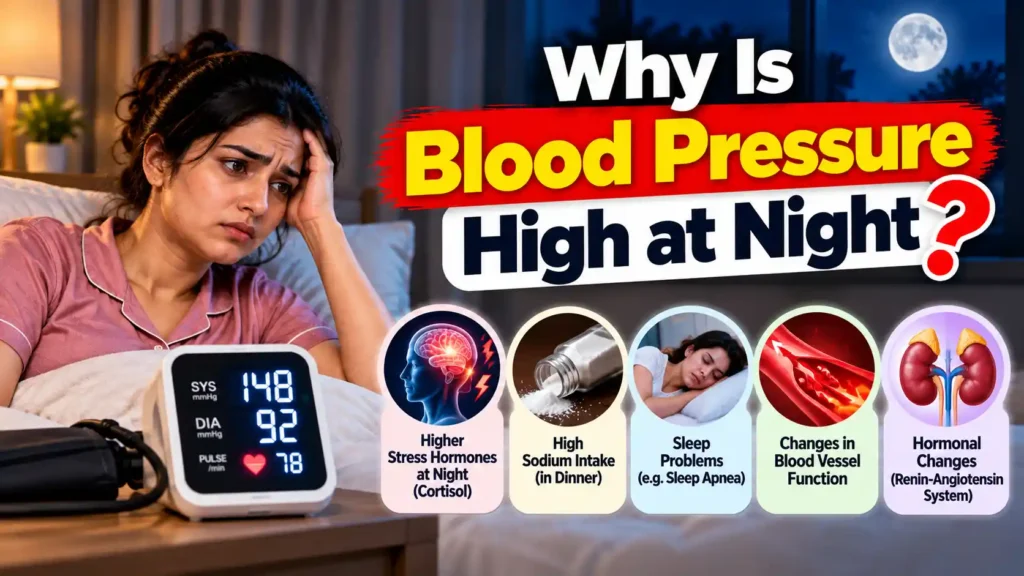
Why Is Blood Pressure High at Night?
Blood pressure naturally changes throughout the day and night. In many healthy adults, it decreases during sleep because the body is resting and the nervous system becomes less active. This is commonly called the normal nighttime blood pressure dip.
However, some people experience blood pressure that remains high during sleep or does not decrease as expected. Others may have a pattern in which blood pressure rises at night. This is sometimes referred to as nocturnal hypertension, depending on the measured levels and clinical context.
Nighttime high blood pressure matters because persistent hypertension can increase the risk of cardiovascular and kidney problems. It may also go unnoticed because people usually do not measure their blood pressure while asleep.
Understanding possible causes and obtaining reliable measurements can help guide appropriate treatment.
What Should Blood Pressure Normally Do During Sleep?
For many adults, blood pressure decreases during sleep compared with daytime levels. The degree of this decrease varies between individuals and can be influenced by sleep quality, age, medications, and health conditions.
When blood pressure does not fall sufficiently, it may indicate a pattern sometimes called non-dipping. Some people experience a rise rather than a fall overnight.
One home reading taken before bed cannot confirm this pattern. A healthcare professional may recommend 24-hour ambulatory blood pressure monitoring (ABPM), which measures blood pressure at intervals throughout the day and night.
Common Reasons Blood Pressure May Be High at Night
1. Obstructive Sleep Apnoea
Obstructive sleep apnoea occurs when breathing repeatedly becomes restricted or stops briefly during sleep. These interruptions can trigger changes in oxygen levels and nervous system activity, contributing to blood pressure fluctuations.
Possible signs include:
- Loud, frequent snoring.
- Pauses in breathing noticed by another person.
- Gasping or choking during sleep.
- Morning headaches.
- Excessive daytime sleepiness.
Not everyone with sleep apnoea has obvious symptoms. If these signs are present, seek medical assessment. Treating sleep apnoea may help improve blood pressure control, although the response differs between individuals.
2. Poor Sleep or Frequent Nighttime Awakenings
Insufficient sleep, irregular sleep schedules, and repeated awakenings may affect the body’s normal blood pressure rhythm.
Pain, stress, environmental noise, and certain sleep disorders can interrupt restful sleep. Improving sleep habits may help, but persistent nighttime hypertension should not be attributed to poor sleep without proper assessment.
3. Chronic Kidney Disease
The kidneys help regulate fluid balance and blood pressure. Kidney problems can contribute to hypertension, while prolonged high blood pressure can also damage the kidneys.
People with persistent or difficult-to-control hypertension may need assessment of kidney function and urine tests, depending on their clinical history.
4. Diabetes and Metabolic Health Conditions
Diabetes and other metabolic conditions are associated with an increased risk of blood pressure abnormalities, including changes in the normal nighttime pattern.
Managing blood glucose, taking prescribed medicines correctly, staying active, and attending regular medical reviews can help support overall cardiovascular health.
5. High Salt Intake
A high-sodium diet can contribute to elevated blood pressure. Some people are particularly sensitive to salt, and excess sodium may affect fluid balance and blood pressure control.
Packaged foods, instant meals, pickles, salty snacks, and restaurant meals can be significant sources. Reducing excess sodium may help, but people should avoid potassium-containing salt substitutes without medical advice if they have kidney disease or take medicines that affect potassium levels.
6. Medication Timing or Inadequate Blood Pressure Control
Some people may have blood pressure that is not adequately controlled throughout the full 24-hour period. Medication choice, duration of action, missed doses, and individual health factors can influence readings.
Do not move, increase, or split blood pressure medication doses on your own. A clinician can review home measurements, current medicines, side effects, and possible monitoring results before recommending changes.
7. Alcohol, Nicotine, and Other Substances
Alcohol, nicotine, and certain stimulant substances can affect blood pressure and sleep quality. Heavy alcohol consumption may also contribute to long-term hypertension.
Review your intake and any supplements or medicines with your healthcare professional if nighttime readings are repeatedly high.
How Can Nighttime High Blood Pressure Be Detected?
Because blood pressure changes during sleep, a daytime measurement alone may not show the full pattern.
Your healthcare professional may recommend:
- Home blood pressure measurements taken at consistent times.
- Twenty-four-hour ambulatory blood pressure monitoring.
- Blood and urine tests, where appropriate.
- Assessment for sleep apnoea or kidney problems if symptoms or clinical findings suggest them.
- Review of current medicines and lifestyle habits.
If you use a home monitor, follow the recommended technique and keep a record of your readings. Do not wake yourself repeatedly to measure blood pressure unless your clinician specifically advises it.
Lifestyle Habits That Support Healthy Blood Pressure
- Maintain a consistent sleep schedule.
- Reduce excess salt and choose more minimally processed foods.
- Engage in regular physical activity suited to your health.
- Limit alcohol and avoid tobacco.
- Take prescribed medicines as directed.
- Maintain a healthy weight where appropriate.
- Attend follow-up appointments if readings remain elevated.
These habits can support treatment, but they do not replace medical evaluation or prescribed medication when needed.
Frequently Asked Questions
1. Is blood pressure supposed to rise at night?
In many adults, blood pressure decreases during sleep. Some people experience a smaller-than-expected decrease or a nighttime rise, which may require assessment.
2. Can sleep apnoea cause high blood pressure at night?
Yes. Sleep apnoea is associated with nighttime hypertension and abnormal blood pressure patterns. Medical assessment can help determine whether testing or treatment is needed.
3. Can stress cause nighttime high blood pressure?
Stress can affect sleep and temporarily influence blood pressure. However, persistent nighttime elevation should be assessed rather than assumed to be caused by stress alone.
4. Should I take blood pressure medicine before bed?
Not everyone benefits from taking medication at bedtime. The best timing depends on the medication and your individual circumstances. Follow your prescription and discuss any changes with your clinician.
5. When is high blood pressure an emergency?
If your reading is above 180/120 mmHg, wait at least one minute and measure it again. If it remains that high, seek urgent medical advice. If you also have chest pain, shortness of breath, weakness, numbness, confusion, vision changes, or difficulty speaking, call emergency services immediately.
Conclusion
High blood pressure at night may be associated with sleep apnoea, poor sleep, kidney disease, diabetes, excess salt intake, or blood pressure that is not adequately controlled. Reliable monitoring and medical evaluation can help identify the cause and guide treatment.
If your blood pressure readings remain elevated or you are concerned about nighttime hypertension, consult Dr. Rajender’s Lifestyle Clinic, Banjara Hills, Hyderabad for appropriate medical guidance and support with sustainable lifestyle changes.
Read Also:

