

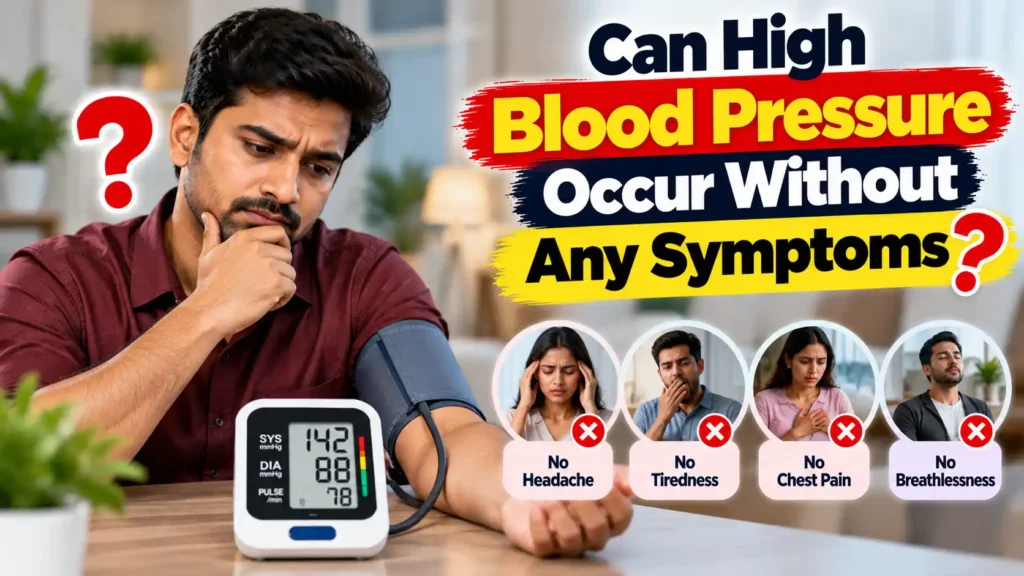
Can High Blood Pressure Occur Without Any Symptoms?
Yes. High blood pressure, also known as hypertension, can occur without noticeable symptoms. A person may feel completely healthy while their blood pressure remains elevated for months or even years.
This is why hypertension is often called a silent condition. Without regular measurement, many people may not realise they have it until it is detected during a routine health check or after a related health complication develops.
Blood pressure measures the force of blood against the walls of the arteries. When it remains consistently high, it can damage blood vessels and increase the risk of heart disease, stroke, kidney disease, and other complications.
At Dr. Rajender’s Lifestyle Clinic, Banjara Hills, Hyderabad, understanding blood pressure readings and addressing lifestyle-related risk factors are important parts of supporting long-term cardiovascular health.
Why Does High Blood Pressure Often Have No Symptoms?
The body can adapt to gradually increasing blood pressure without producing obvious warning signs. A person may continue working, exercising, and carrying out daily activities even when their readings are elevated.
Headaches, dizziness, tiredness, and difficulty concentrating are sometimes attributed to high blood pressure, but these symptoms are not reliable indicators. Many people with hypertension experience none of them, while people with normal blood pressure may experience the same symptoms for other reasons.
The only reliable way to identify high blood pressure is to measure it correctly.
What Can Happen If Hypertension Goes Undetected?
Untreated hypertension can gradually place additional strain on blood vessels and important organs.
1. Heart complications
Persistently high blood pressure makes the heart work harder. Over time, it can contribute to heart muscle thickening, coronary artery disease, heart failure, and an increased risk of heart attack.
2. Stroke risk
High blood pressure can damage blood vessels in the brain and increase the risk of both blocked and bleeding blood vessels.
3. Kidney damage
The kidneys contain many small blood vessels that help filter waste and regulate fluid balance. Prolonged hypertension can damage these vessels and impair kidney function.
4. Eye problems
Hypertension can damage the small blood vessels in the retina. Significant damage may affect vision.
These complications do not occur in everyone with hypertension, and the risk depends on factors such as blood pressure levels, duration, and other health conditions. Early detection and appropriate treatment help reduce risk.
Who Should Check Their Blood Pressure?
Adults should have their blood pressure checked periodically, even if they feel well. More frequent monitoring may be appropriate for people with:
- A family history of hypertension.
- Diabetes or kidney disease.
- Excess body weight or a sedentary lifestyle.
- High salt intake.
- Tobacco use or excessive alcohol consumption.
- Previously elevated blood pressure readings.
Your healthcare professional can recommend an appropriate screening schedule based on your age, risk factors, and previous results.
How Can You Check Blood Pressure Accurately?
For reliable home readings:
- Avoid smoking, caffeine, and exercise for about 30 minutes beforehand.
- Sit quietly for five minutes before measuring.
- Keep your back supported, feet flat, and arm at heart level.
- Use a validated upper-arm monitor with the correct cuff size.
- Take two readings approximately one minute apart.
- Record the results and share them with your healthcare professional.
A single elevated reading does not always confirm hypertension. Diagnosis usually requires properly measured readings over time, sometimes supplemented by home or ambulatory monitoring.
How Can You Reduce Your Risk?
Healthy habits can help prevent or manage high blood pressure:
- Reduce excess salt and frequently consumed highly processed foods.
- Eat a balanced diet rich in vegetables, fruit, pulses, and whole grains.
- Participate in regular physical activity.
- Maintain a healthy weight where appropriate.
- Avoid tobacco and limit alcohol.
- Prioritise sleep and manage stress.
- Take prescribed medicines as directed.
Lifestyle changes are valuable, but they do not replace medication when treatment is needed.
Frequently Asked Questions
1. Can I have high blood pressure if I feel normal?
Yes. Hypertension often has no noticeable symptoms, so measuring blood pressure is essential.
2. Does a headache always mean blood pressure is high?
No. Headaches have many possible causes and cannot reliably diagnose hypertension. Check your blood pressure rather than assuming the cause.
3. How often should I check my blood pressure?
The frequency depends on your age, risk factors, and previous readings. Ask your healthcare professional whether periodic clinic checks or home monitoring are appropriate.
4. Can high blood pressure be controlled without medication?
Some people improve their readings with lifestyle changes, but others need medication. The correct treatment depends on individual risk and blood pressure levels. Do not stop prescribed medication without medical advice.
5. When is high blood pressure an emergency?
If your reading is above 180/120 mmHg, wait at least one minute and measure again. If it remains that high, seek urgent medical advice. If you also have chest pain, shortness of breath, weakness, confusion, vision changes, or difficulty speaking, call emergency services immediately.
Conclusion
High blood pressure can develop without symptoms, which makes routine screening particularly important. Accurate measurement, healthy daily habits, and appropriate medical care can help detect hypertension early and reduce the risk of complications.
For blood pressure assessment and personalised lifestyle guidance, consult Dr. Rajender’s Lifestyle Clinic in Banjara Hills, Hyderabad. Regular monitoring can help you make informed decisions about your cardiovascular health.
Read Also:

