
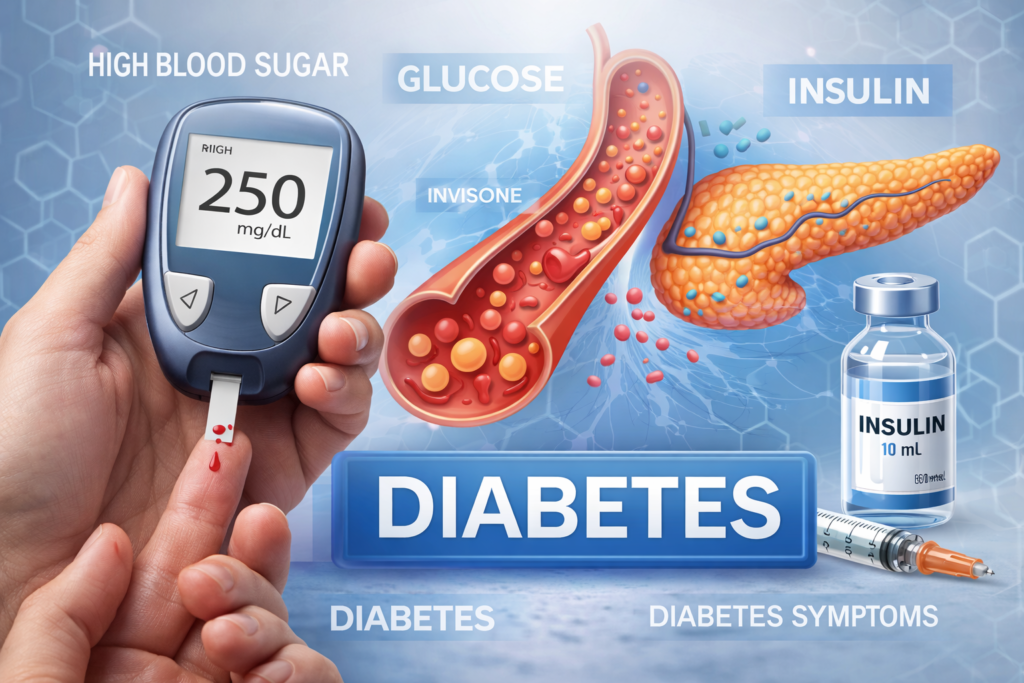
Introduction: Why Understanding Diabetes Matters
Diabetes is one of the most common chronic health conditions affecting millions of people worldwide. In India especially, it has reached alarming levels, affecting younger age groups than ever before. Despite its widespread prevalence, many people still misunderstand what diabetes truly is.
Some think it simply means “high sugar.”
Others believe it happens only to people who eat sweets.
Many assume it is purely hereditary and unavoidable.
The truth is far more complex — and far more hopeful.
Diabetes is not just a sugar problem.
It is a metabolic disorder that affects how the body processes and uses energy.
To truly understand diabetes, we must understand how the body normally handles food, how insulin works, what goes wrong in diabetes, and how lifestyle plays a central role.
This comprehensive guide will explain diabetes in depth — from basic physiology to long-term complications, from early warning signs to prevention strategies.
Part 1: How the Body Normally Regulates Blood Sugar
To understand diabetes, we must first understand how a healthy body manages glucose.
What Is Glucose?
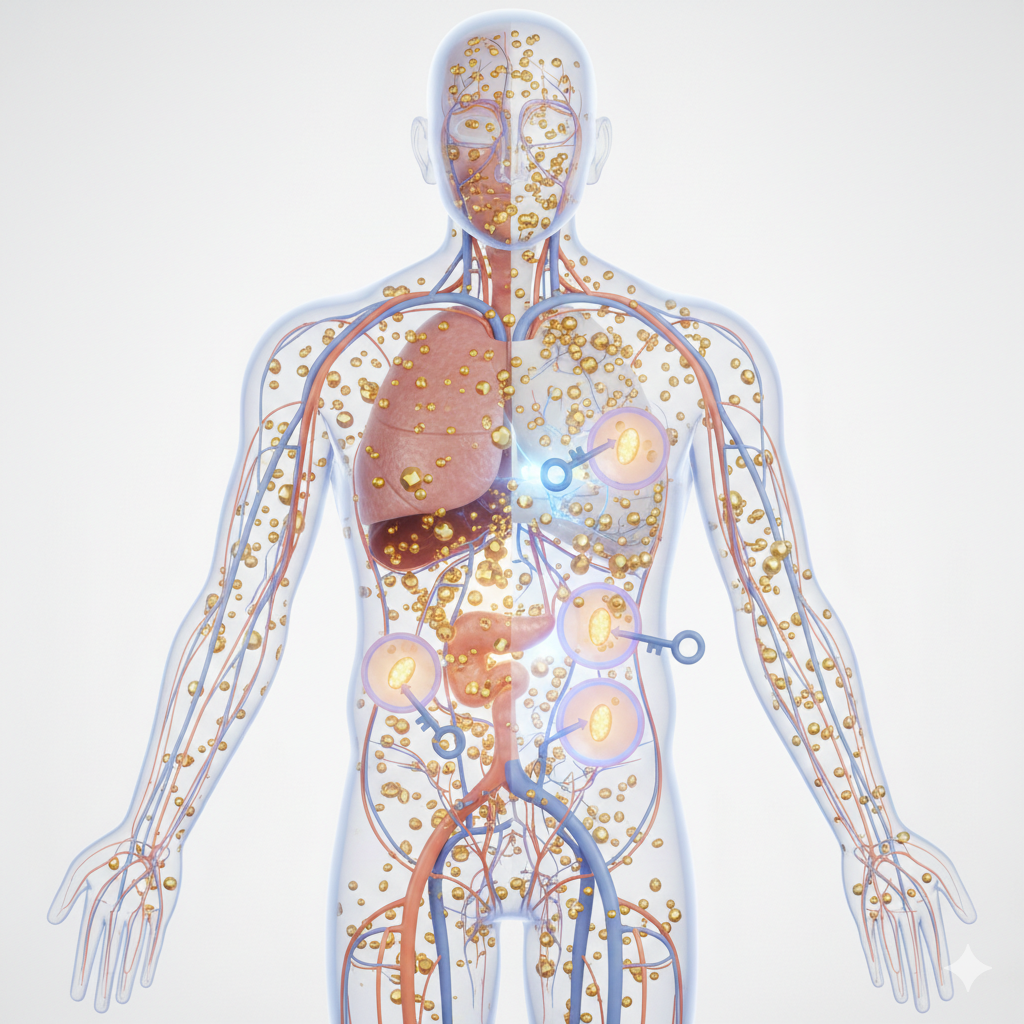
Glucose is a simple sugar. It is the body’s primary source of energy. Every time you eat carbohydrates — such as rice, roti, fruits, vegetables, or grains — your digestive system breaks them down into glucose.
This glucose enters the bloodstream.
At this point, something important must happen.
The Role of Insulin
Insulin is a hormone produced by the pancreas, a small organ located behind the stomach.
Think of insulin as a key.
- Glucose is like a person waiting outside a house.
- Cells are the houses.
- Insulin is the key that opens the door.
When insulin works properly:
- It allows glucose to enter cells.
- Cells use glucose for energy.
- Blood sugar levels return to normal.
This system keeps energy flowing and maintains balance.
What Happens After a Meal?
- You eat food.
- Carbohydrates convert to glucose.
- Blood sugar rises.
- The pancreas releases insulin.
- Glucose enters cells.
- Blood sugar stabilizes.
In a healthy individual, this process happens smoothly and automatically.
But in diabetes, this system is disrupted.
Part 2: What Is Diabetes?
Diabetes is a condition in which blood sugar levels remain consistently high because insulin is either not produced adequately or does not work effectively.
There are three main types of diabetes:
Type 1 Diabetes
Type 1 diabetes is an autoimmune condition.
The body’s immune system mistakenly attacks and destroys insulin-producing cells in the pancreas. As a result:
- The body produces little or no insulin.
- Insulin injections become necessary for survival.
This type usually develops in childhood or adolescence, but it can occur at any age.
Type 1 diabetes cannot be prevented and cannot currently be reversed.
Type 2 Diabetes
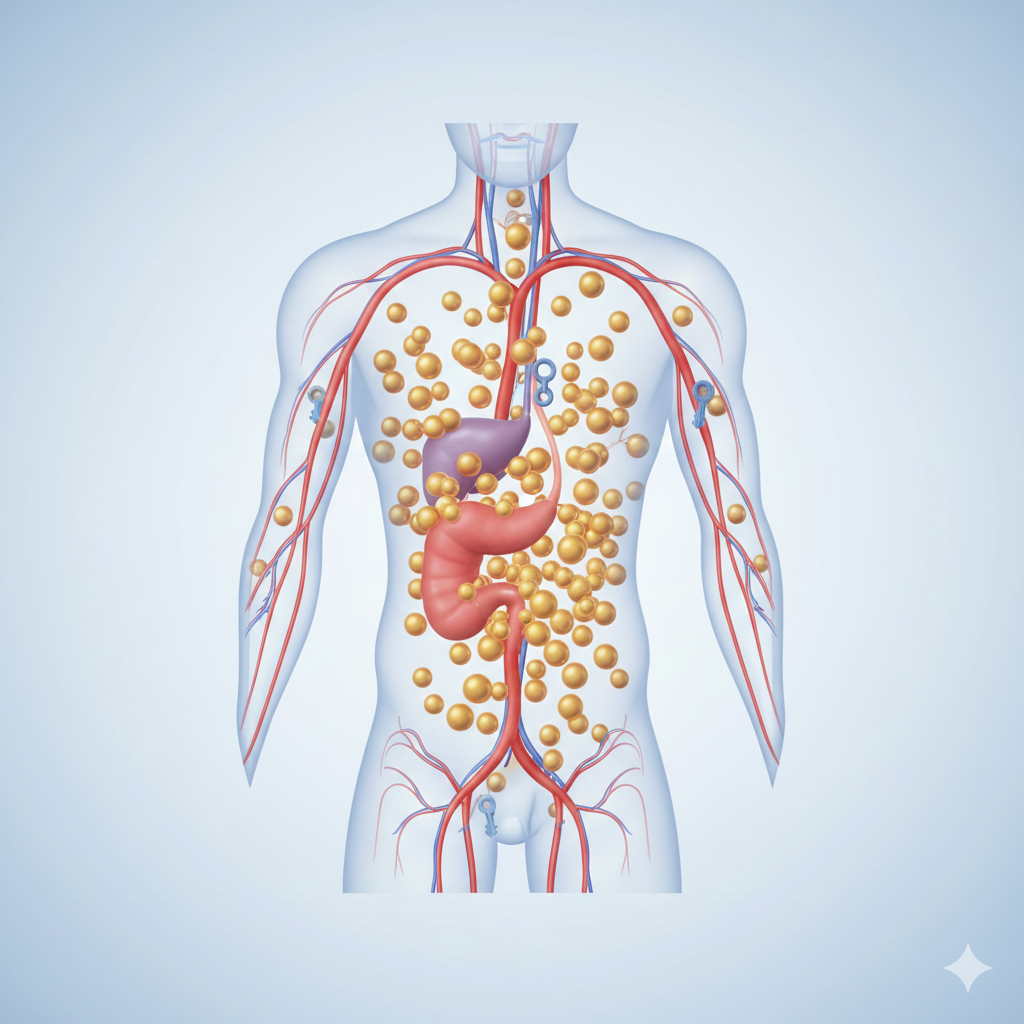
Type 2 diabetes is the most common form.
In this condition:
- The body becomes resistant to insulin.
- The pancreas struggles to produce enough insulin.
- Blood sugar levels rise gradually over time.
Type 2 diabetes is strongly linked to lifestyle factors, including diet, physical inactivity, obesity, stress, and poor sleep.
Unlike Type 1, Type 2 diabetes can often be prevented — and in many cases improved or reversed — through lifestyle changes.
Gestational Diabetes
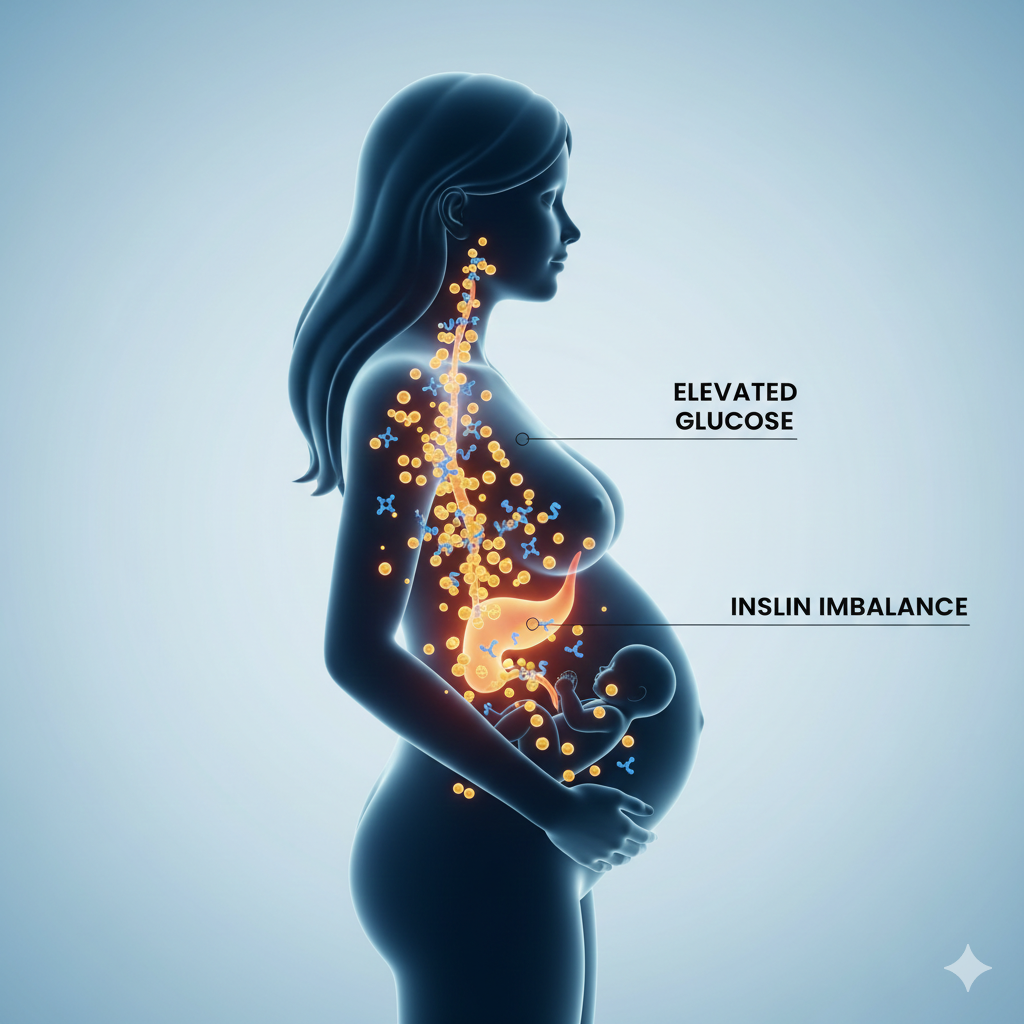
Gestational diabetes develops during pregnancy.
It occurs when pregnancy hormones interfere with insulin action.
Although it often resolves after delivery, women who develop gestational diabetes have a higher risk of developing Type 2 diabetes later in life.
Part 3: What Causes Diabetes?
Diabetes does not appear suddenly. It develops gradually due to multiple interconnected factors.
1. Insulin Resistance
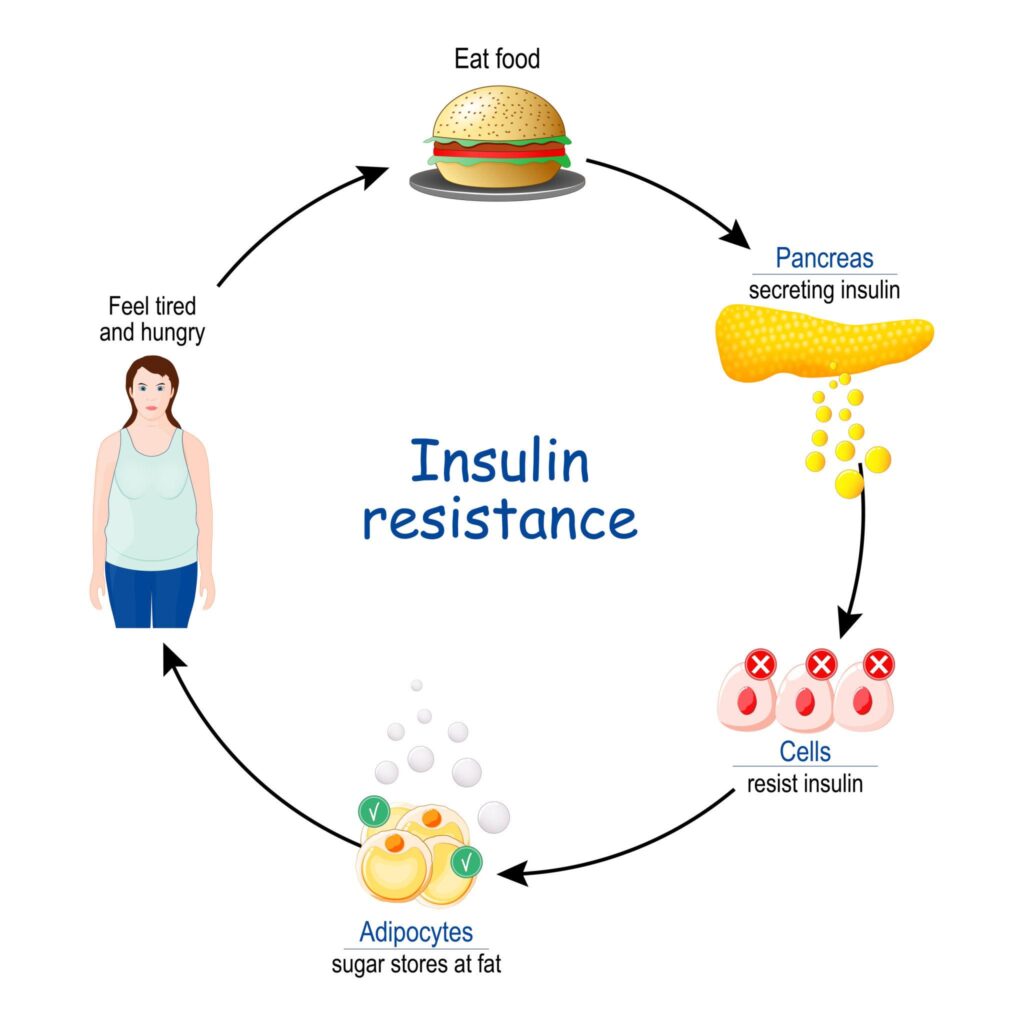
Insulin resistance is the core problem in Type 2 diabetes.
It occurs when cells stop responding properly to insulin.
To compensate, the pancreas produces more insulin. Over time:
- Insulin levels remain high.
- Cells become even more resistant.
- The pancreas becomes exhausted.
- Blood sugar rises.
Insulin resistance often develops years before diabetes is diagnosed.
2. Obesity and Visceral Fat
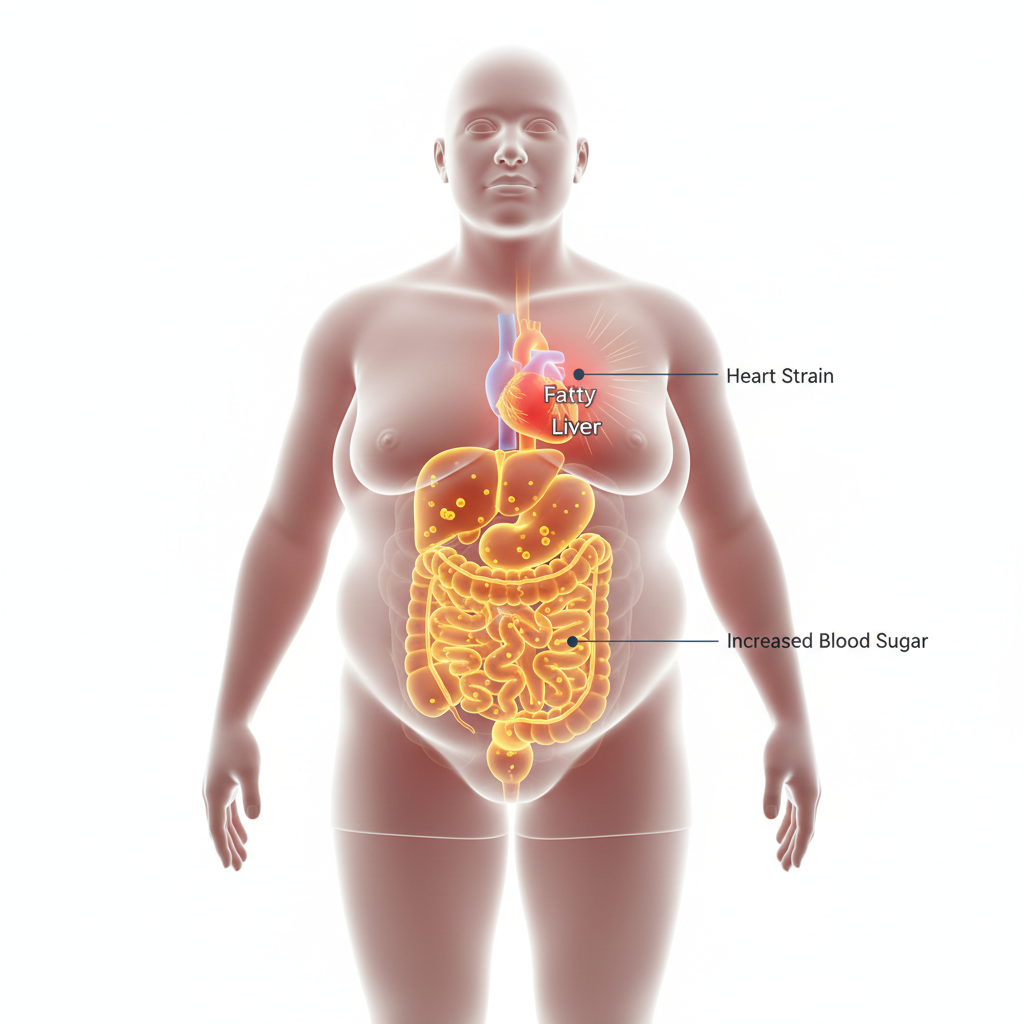
Excess body fat — especially abdominal fat — is a major risk factor.
Visceral fat releases inflammatory chemicals that interfere with insulin function.
Belly fat is not just stored energy.
It is metabolically active tissue that worsens insulin resistance.
3. Poor Diet
Frequent consumption of:
- Refined carbohydrates
- Sugary beverages
- Processed foods
- Excess calories
leads to repeated insulin spikes, weight gain, and metabolic strain.
4. Sedentary Lifestyle
Muscles help use glucose efficiently.
When physical activity is low:
- Muscles use less glucose.
- Insulin sensitivity decreases.
- Fat accumulation increases.
5. Chronic Stress
Stress hormones such as cortisol increase blood sugar levels.
Long-term stress contributes to insulin resistance and belly fat accumulation.
6. Poor Sleep
Sleep deprivation disrupts hormonal balance, increases appetite, and worsens insulin sensitivity.
Consistent poor sleep increases diabetes risk significantly.
7. Genetics
Family history increases risk.
However, genetics load the gun — lifestyle pulls the trigger.
Part 4: Early Signs and Symptoms of Diabetes
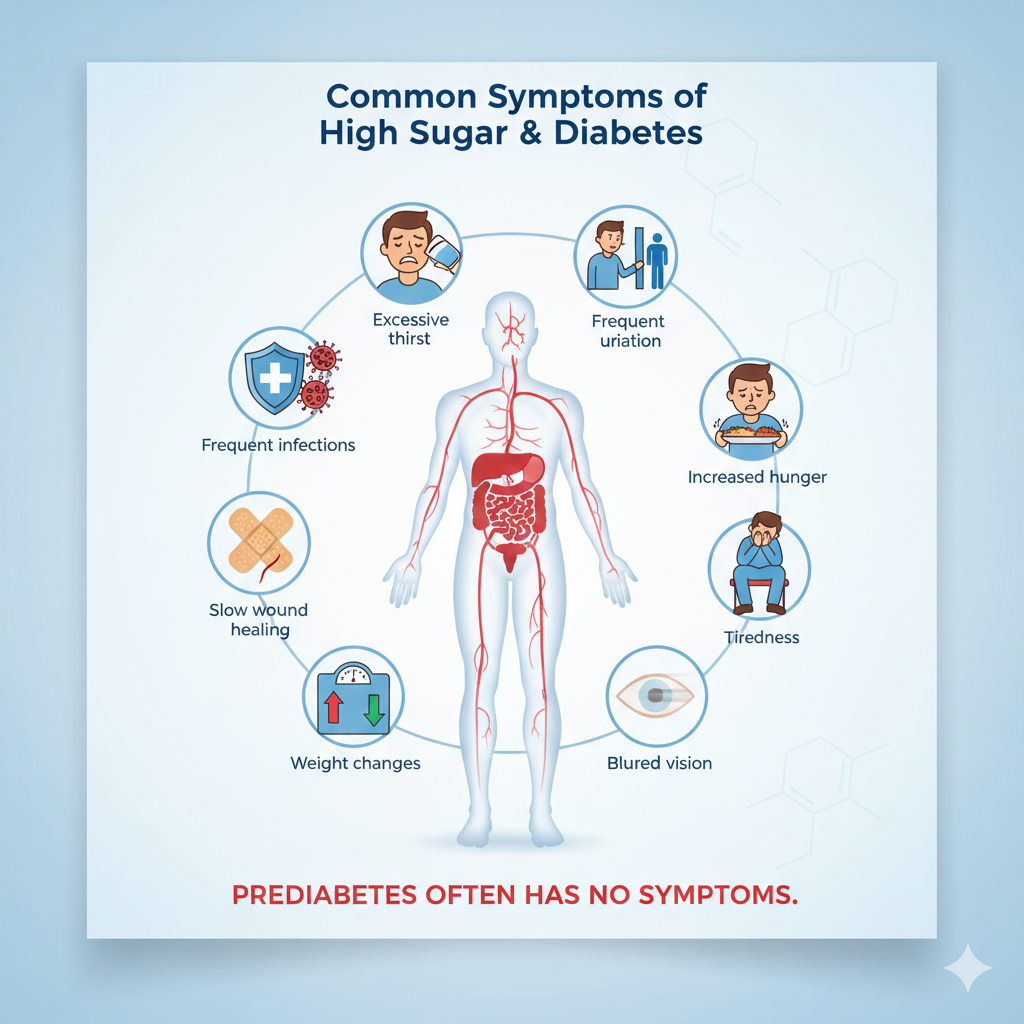
Diabetes often develops silently.
However, common symptoms include:
- Frequent urination
- Excessive thirst
- Increased hunger
- Unexplained weight loss
- Fatigue
- Blurred vision
- Slow wound healing
- Recurrent infections
Some people experience no symptoms in early stages.
That is why regular testing is important.
Part 5: What Are Normal Blood Sugar Levels?
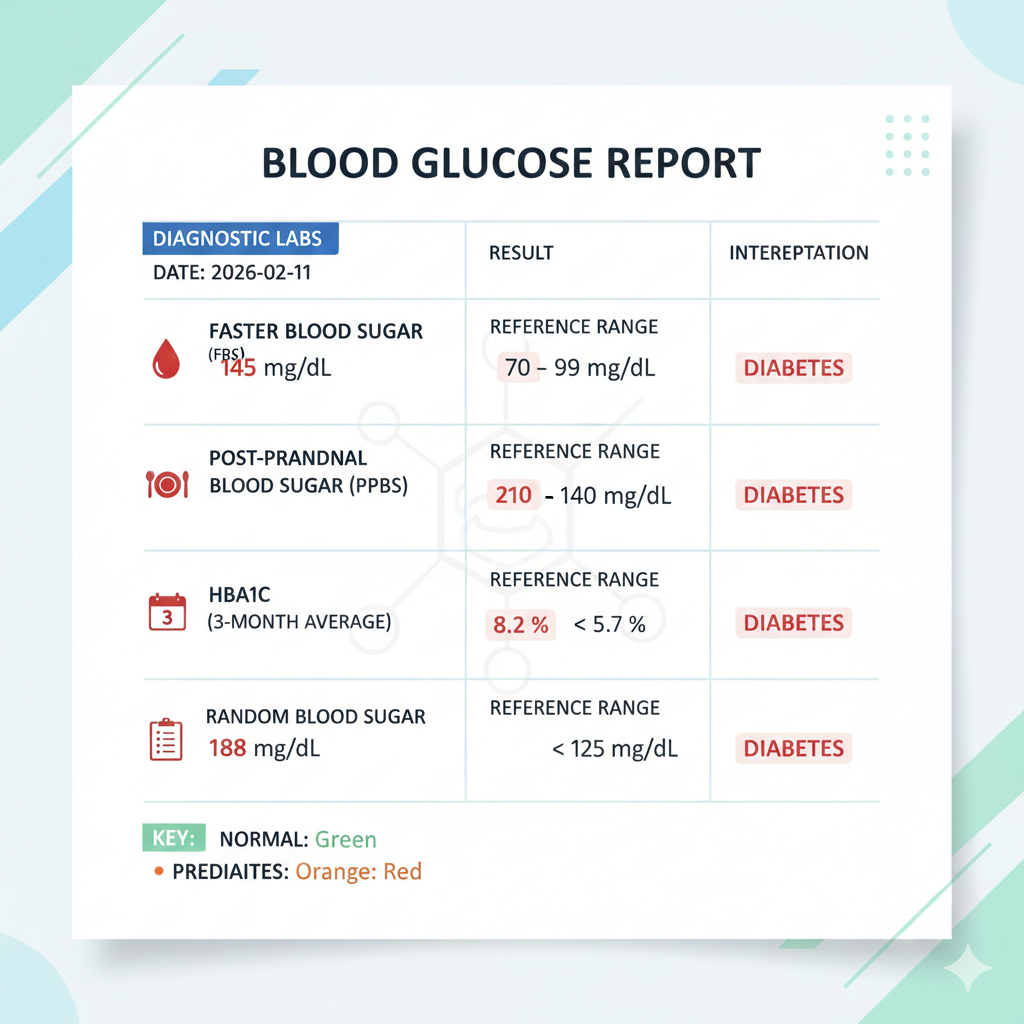
Understanding numbers is important.
Fasting Blood Sugar
- Normal: 70–99 mg/dL
- Prediabetes: 100–125 mg/dL
- Diabetes: 126 mg/dL or higher
Post-Meal (2 Hours)
- Normal: Below 140 mg/dL
- Prediabetes: 140–199 mg/dL
- Diabetes: 200 mg/dL or higher
HbA1c
HbA1c reflects average blood sugar over 3 months.
- Normal: Below 5.7%
- Prediabetes: 5.7–6.4%
- Diabetes: 6.5% or higher
Part 6: What Is Prediabetes?
Prediabetes is a warning stage.
Blood sugar levels are higher than normal but not high enough for diabetes diagnosis.
This stage is reversible.
With timely lifestyle intervention, progression to diabetes can be prevented.
Ignoring prediabetes often leads to Type 2 diabetes within years.
Part 7: Why Is Diabetes Dangerous? Uncontrolled diabetes damages blood vessels and nerves.
Over time, it can lead to:
- Heart disease
- Stroke
- Kidney damage
- Vision loss
- Nerve damage
- Erectile dysfunction
- Foot ulcers
- Fatty liver
The damage happens gradually.
Good control significantly reduces risk.
Part 8: The Connection Between Diabetes and Other Conditions Diabetes rarely exists alone.
It is often associated with:
- Obesity
- High cholesterol
- High blood pressure
- Fatty liver
- PCOS
- Metabolic syndrome
These conditions share a common root: insulin resistance.
Treating only sugar without addressing metabolic health is incomplete.
Part 9: Can Diabetes Be Prevented? Type 1 diabetes cannot currently be prevented.
Type 2 diabetes can often be prevented through:
- Maintaining healthy body weight
- Regular physical activity
- Balanced diet
- Adequate sleep
- Stress management
- Regular health check-ups
Prevention is far easier than treatment.
Part 10: Is Diabetes Reversible?
Type 1 diabetes cannot be reversed.
Type 2 diabetes, especially in early stages, can often be reversed or put into remission through:
- Structured diet therapy
- Weight reduction
- Exercise
- Stress management
- Sleep correction
- Medical monitoring
Reversal means achieving normal blood sugar without heavy medication, under supervision.
Part 11: Psychological Impact of DiabetesDiabetes affects mental health as well.
Common emotional responses include:
- Fear
- Anxiety
- Guilt
- Frustration
- Burnout
Education and structured support significantly improve long-term outcomes.
Part 12: Living Well with Diabetes
Diabetes management requires:
- Regular monitoring
- Healthy eating
- Physical activity
- Medication adherence (if needed)
- Continuous education
It is not about restriction.
It is about balance and awareness.
Conclusion: Understanding Diabetes Empowers You
Diabetes is not just a “sugar problem.”
It is a metabolic condition involving:
- Insulin resistance
- Hormonal imbalance
- Lifestyle factors
- Genetic predisposition
The good news is:
- It can often be prevented.
- It can be managed effectively.
- Type 2 diabetes can frequently be improved or reversed with proper intervention.
Knowledge is power.
When you understand what diabetes truly is, you shift from fear to control.
Your lifestyle shapes your metabolism
Diabetes is not a life sentence.
It is a metabolic signal — and signals can be corrected with the right guidance, discipline, and medical supervision.