

Managing diabetes requires a balanced approach that includes proper diet, lifestyle changes, and sometimes natural remedies. In many traditional health systems, herbs and spices for diabetes control have been used to support blood sugar regulation and improve metabolic health.
Scientific research now confirms that certain herbs contain compounds that help improve insulin sensitivity, reduce inflammation, and stabilize blood sugar levels. When used correctly and alongside a healthy lifestyle, these natural ingredients can support diabetes management.
This article explores some of the best herbs and spices for diabetes control and how they can benefit people with Type 2 diabetes.
Why Herbs and Spices Help in Diabetes Management
Many herbs and spices contain bioactive compounds such as antioxidants, polyphenols, and anti-inflammatory agents that influence glucose metabolism.
These natural substances may help by:
• Improving insulin sensitivity
• Slowing carbohydrate digestion
• Reducing inflammation
• Supporting pancreatic function
• Lowering post-meal blood sugar spikes
Traditional medicine systems have long used herbs to support metabolic health, and modern studies are increasingly confirming these benefits.
1. Cinnamon – A Powerful Spice for Blood Sugar Control

Cinnamon is one of the most researched spices for diabetes management. It contains compounds that may improve insulin sensitivity and help reduce blood sugar levels.
According to the guide, cinnamon may improve insulin sensitivity and lower blood glucose levels when consumed regularly.
How to Use Cinnamon
• Add cinnamon powder to herbal tea
• Sprinkle on oatmeal or smoothies
• Mix in warm water
Recommended Intake
Around 1–2 grams per day is considered beneficial.
2. Turmeric – Anti-Inflammatory Support for Diabetes
Turmeric contains curcumin, a powerful anti-inflammatory compound that may improve insulin sensitivity and reduce blood sugar levels.
The guide explains that curcumin can help reduce inflammation and improve glucose metabolism.
How to Use Turmeric
• Add turmeric to curries
• Mix with warm milk
• Combine with black pepper to enhance absorption
Recommended Intake
About ½ teaspoon per day.
3. Fenugreek Seeds – Natural Blood Sugar Stabilizer
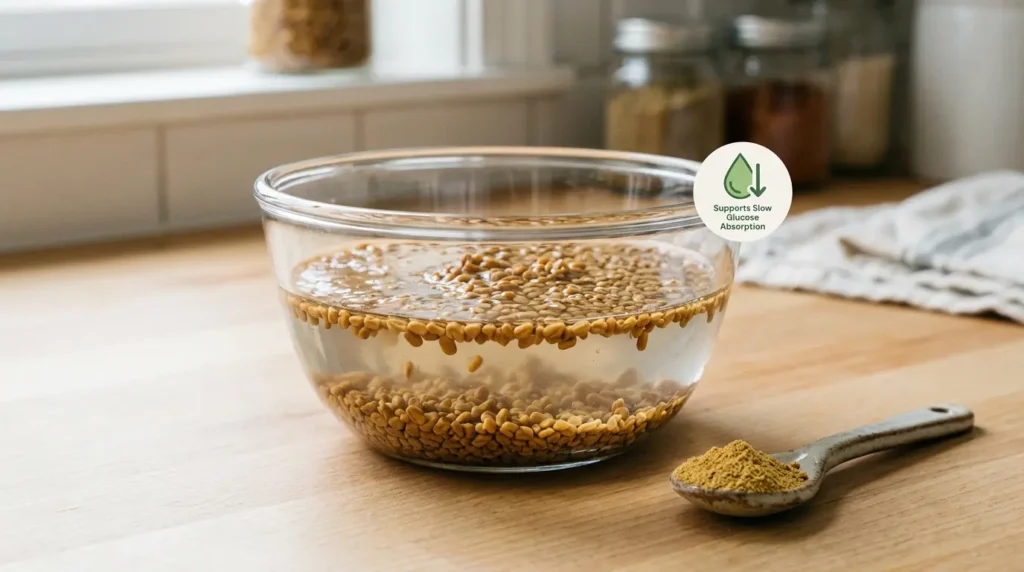
Fenugreek seeds are rich in soluble fiber, which slows carbohydrate digestion and improves glucose absorption.
The guide notes that fenugreek may slow sugar absorption and help maintain stable blood sugar levels.
How to Use Fenugreek
• Soak seeds overnight and drink the water in the morning
• Add fenugreek powder to meals
Recommended Intake
Around 5–10 grams daily.
4. Indian Gooseberry (Amla) – Antioxidant Support
Amla is rich in vitamin C and antioxidants, which support pancreatic function and insulin sensitivity.
The guide highlights that amla may help improve insulin sensitivity and support metabolic health.
How to Use Amla
• Eat fresh amla fruit
• Drink amla juice
• Mix amla powder in water
Recommended Intake
1–2 fresh amlas daily.
5. Bitter Gourd – Natural Insulin-Like Effects

Bitter gourd (karela) is widely known for its ability to help control blood sugar levels.
It contains compounds that may mimic insulin and improve glucose utilization in the body.
How to Use Bitter Gourd
• Drink fresh bitter gourd juice
• Add karela to vegetable dishes
Recommended Intake
About 50–100 ml of juice or one vegetable serving daily.
6. Curry Leaves – Traditional Diabetes Remedy
Curry leaves are commonly used in Indian cooking and may help regulate blood sugar levels.
The guide explains that curry leaves may affect carbohydrate metabolism and support glucose control.
How to Use Curry Leaves
• Chew fresh leaves in the morning
• Add to curries or soups
• Prepare curry leaf tea
Recommended Intake
About 8–10 leaves daily.
7. Cloves – Antioxidant Support
Cloves contain powerful antioxidants that may help reduce inflammation and improve metabolic health.
According to the guide, cloves may support blood sugar regulation and prevent diabetes complications.
How to Use Cloves
• Add cloves to tea or curries
• Chew one clove after meals
Recommended Intake
1–2 cloves daily.
8. Aloe Vera – Natural Blood Sugar Support
Aloe vera is known for its gut health benefits and potential blood sugar-lowering properties.
The guide states that aloe vera may help support glucose control and digestive health.
How to Use Aloe Vera
• Drink aloe vera juice diluted in water
Recommended Intake
15–30 ml daily.
9. Neem Leaves – Traditional Blood Purifier
Neem leaves are commonly used in traditional medicine for metabolic health.
The guide describes neem as having glucose-lowering and blood-purifying properties.
How to Use Neem
• Chew fresh leaves
• Drink neem powder mixed with water
Recommended Intake
2–4 leaves daily.
10. Holy Basil (Tulsi) – Stress and Sugar Control
Tulsi is known for its stress-relieving and metabolic benefits.
The guide explains that tulsi may help stabilize blood sugar levels and support overall metabolic health.
How to Use Tulsi
• Chew fresh leaves
• Drink tulsi herbal tea
Recommended Intake
5–10 leaves daily.
11. Garlic – Heart and Blood Sugar Protection
Garlic contains allicin, a compound known to support blood sugar control and improve cholesterol levels.
The guide highlights garlic’s role in reducing blood sugar and improving cardiovascular health.
How to Use Garlic
• Eat raw garlic cloves
• Add to soups and curries
Recommended Intake
1–2 cloves daily.
12. Black Pepper – Enhancing Nutrient Absorption
Black pepper contains piperine, which enhances the absorption of other nutrients such as curcumin from turmeric.
The guide explains that black pepper has antioxidant properties and improves the effectiveness of other herbs.
How to Use Black Pepper
• Sprinkle on food
• Add to herbal teas
Recommended Intake
¼–½ teaspoon daily.
Important Precautions
While herbs can support diabetes management, they should not replace prescribed medications.
Important tips include:
• Monitor blood sugar regularly
• Consult a doctor before using herbal remedies
• Avoid excessive doses
• Combine herbs with healthy diet and exercise
Herbal remedies work best as part of a comprehensive diabetes management plan.
Conclusion
Natural herbs and spices have been used for centuries to support metabolic health and blood sugar control. Ingredients like cinnamon, turmeric, fenugreek, bitter gourd, amla, and tulsi contain powerful bioactive compounds that may improve insulin sensitivity and reduce blood sugar levels.
When combined with healthy eating, regular exercise, and proper medical care, these herbs can play a supportive role in managing diabetes.
Making small changes in daily habits and including these natural herbs for diabetes control can help support long-term metabolic health.
FAQs
1. Which herbs are best for controlling blood sugar naturally?
Some of the best herbs for diabetes control include cinnamon, fenugreek seeds, turmeric, bitter gourd, and curry leaves. These herbs contain bioactive compounds that may help improve insulin sensitivity and stabilize blood sugar levels.
2. Can herbs and spices help manage Type 2 diabetes?
Yes, certain herbs and spices may support Type 2 diabetes management by reducing inflammation, slowing glucose absorption, and improving insulin function when combined with a healthy diet and lifestyle.
3. How should fenugreek be used for diabetes control?
Fenugreek seeds can be soaked overnight in water and consumed in the morning. They may help slow carbohydrate absorption and improve blood sugar control.
4. Is cinnamon effective for lowering blood sugar?
Research suggests cinnamon may improve insulin sensitivity and help reduce fasting blood sugar levels when used regularly in moderate amounts.
5. Can herbs replace diabetes medication?
No, herbs should not replace prescribed diabetes medication. They may support blood sugar control, but medical treatment and regular monitoring are essential for proper diabetes management.