
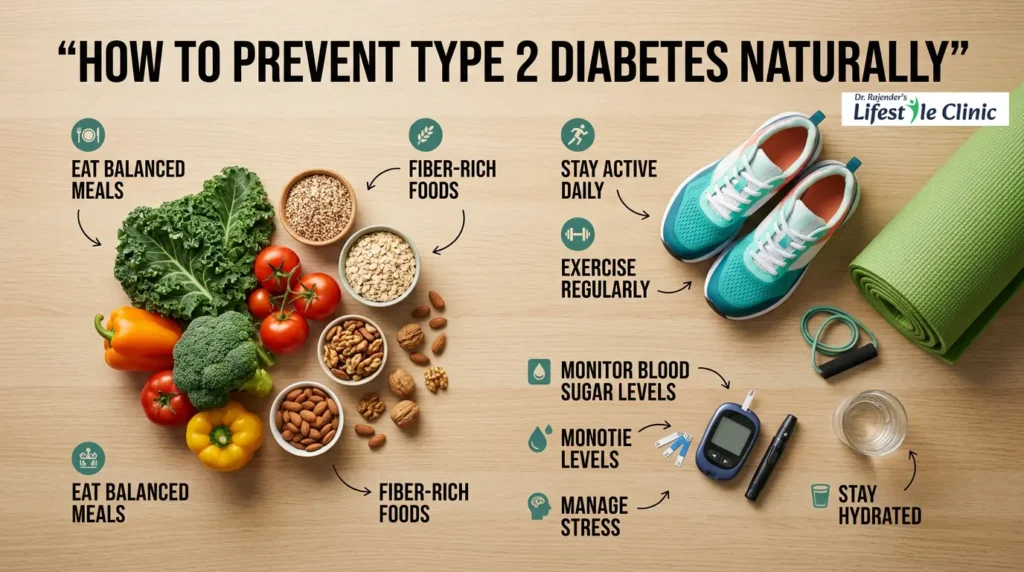
How to Prevent Type 2 Diabetes Naturally: A Complete Lifestyle Guide
Type 2 diabetes is one of the fastest-growing lifestyle diseases worldwide, particularly in India. It occurs when the body either does not produce enough insulin or cannot effectively use the insulin it produces. As a result, glucose accumulates in the bloodstream, leading to high blood sugar levels.
The encouraging news is that Type 2 diabetes prevention is possible in many cases through lifestyle changes. Scientific research shows that healthy eating, regular physical activity, weight management, and stress control can significantly reduce the risk of developing diabetes.
This guide explains how to prevent Type 2 diabetes naturally, focusing on practical strategies that are especially relevant for Indian diets and lifestyles.
Understanding Type 2 Diabetes
Type 2 diabetes develops gradually over time due to insulin resistance, a condition where the body’s cells stop responding effectively to insulin. When insulin resistance increases, the pancreas tries to produce more insulin to maintain normal blood sugar levels.
Eventually, the body cannot keep up with the demand, leading to elevated blood sugar levels.
According to the guide, Type 2 diabetes often results from lifestyle factors, including poor diet, lack of physical activity, and excess body weight.
Common risk factors include:
- Overweight or obesity
- Sedentary lifestyle
- High intake of refined carbohydrates and sugary foods
- Chronic stress and poor sleep
- Family history of diabetes
Early prevention is critical because uncontrolled diabetes can lead to complications such as heart disease, kidney damage, nerve problems, and vision loss.
The Role of Diet in Preventing Type 2 Diabetes

Diet is one of the most powerful tools in preventing diabetes. The foods we eat directly influence blood sugar levels and insulin response.
One key concept mentioned in the guide is the Glycemic Index (GI), which measures how quickly a food raises blood sugar levels. Low-GI foods release glucose slowly, helping maintain stable blood sugar.
Choose Low Glycemic Index Foods
Low GI foods help prevent sudden spikes in blood sugar.
Examples include:
- Lentils and dals
- Oats
- Most vegetables
- Whole fruits
- Whole grains
High GI foods, such as white rice, refined flour products, and sugary desserts, can cause rapid blood sugar spikes and should be limited.
Include Whole Grains and Fiber
Fiber plays an important role in diabetes prevention because it slows digestion and helps stabilize blood sugar levels.
Whole grains and fiber-rich foods recommended in the guide include:
- Brown rice
- Millets like jowar, bajra, and ragi
- Whole wheat
- Leafy vegetables
- Fruits such as apple, pear, and guava
These foods help maintain steady glucose levels and improve gut health.
Add Protein-Rich Foods to Your Diet
Protein helps regulate appetite and slows carbohydrate absorption, which prevents sudden spikes in blood sugar.
Healthy protein sources include:
- Lentils and chickpeas
- Beans and legumes
- Paneer and tofu
- Eggs and fish
- Lean meats
Balanced meals that include protein, fiber, and healthy fats help maintain stable blood sugar throughout the day.
Healthy Fats Improve Insulin Sensitivity
Healthy fats are essential for overall metabolic health and may improve insulin sensitivity.
Recommended sources include:
- Nuts such as almonds and walnuts
- Seeds like flaxseed and chia seeds
- Olive oil and mustard oil
- Moderate amounts of ghee
These fats also help you feel full longer, reducing overeating.
Anti-Inflammatory Foods for Blood Sugar Control
Chronic inflammation is closely linked to insulin resistance. Including anti-inflammatory foods in your diet may support better blood sugar control.
Natural anti-inflammatory ingredients include:
- Turmeric
- Ginger
- Cinnamon
- Garlic
These spices are commonly used in Indian cooking and may support metabolic health when consumed regularly.
Foods to Limit for Diabetes Prevention
While some foods help stabilize blood sugar, others increase the risk of insulin resistance.
The guide highlights several foods that should be limited:
Refined Sugar and Processed Foods
Sugary drinks, desserts, and processed snacks can rapidly increase blood sugar levels and contribute to insulin resistance.
Refined Grains
Foods made with refined flour (maida), such as pastries, white bread, and fried snacks, can cause rapid glucose spikes.
High-Fat Dairy and Red Meat
Excessive consumption of full-fat dairy products and red meat may increase cholesterol and negatively affect metabolic health.
Reducing these foods can significantly lower diabetes risk.
Balanced Meal Planning for Blood Sugar Control
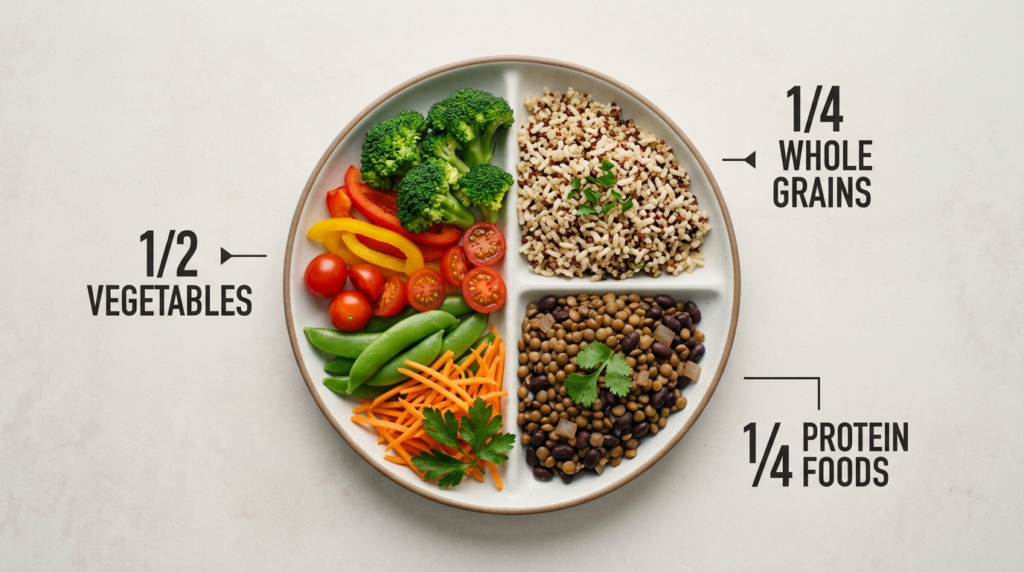
Meal planning helps maintain consistent blood sugar levels throughout the day.
One effective strategy is the balanced plate method:
- Half the plate: vegetables
- One quarter: whole grains
- One quarter: protein sources
This approach ensures a balanced intake of nutrients while preventing excessive carbohydrate consumption.
Additionally, eating dinner earlier in the evening allows the body enough time to metabolize food before sleep, reducing overnight blood sugar spikes.
Physical Activity and Diabetes Prevention

Exercise plays a crucial role in preventing Type 2 diabetes. Physical activity improves insulin sensitivity and helps the body use glucose more efficiently.
The guide recommends at least 150 minutes of moderate exercise per week, such as:
- Brisk walking
- Cycling
- Swimming
- Dancing
Strength training exercises like squats and resistance band workouts also help build muscle, which improves insulin sensitivity.
Yoga and breathing exercises can reduce stress, which also positively influences blood sugar levels.
The Importance of Stress Management and Sleep
Chronic stress and poor sleep can contribute to insulin resistance and increased blood sugar levels.
Stress hormones such as cortisol interfere with insulin function, making it harder for the body to regulate glucose.
Effective stress-management practices include:
- Deep breathing exercises
- Meditation and mindfulness
- Yoga
- Relaxation techniques
Good sleep hygiene is equally important. Maintaining consistent sleep schedules and avoiding screens before bedtime can improve sleep quality and metabolic health.
Maintaining a Healthy Weight
Maintaining a healthy body weight is one of the most effective strategies for preventing Type 2 diabetes.
For many Indians, a BMI below 23 is considered healthy, and waist circumference should ideally remain below:
- 35 inches for women
- 40 inches for men
Reducing excess body fat improves insulin sensitivity and lowers diabetes risk.
Even modest weight loss of 5–10% of body weight can significantly reduce the likelihood of developing diabetes.
Regular Health Screening
Early detection is essential for preventing diabetes complications.
Regular health screenings include:
- Fasting blood glucose test
- HbA1c test
- Cholesterol profile
- Blood pressure monitoring
These tests help identify prediabetes or early metabolic changes, allowing timely lifestyle interventions.
Conclusion
Preventing Type 2 diabetes does not require drastic changes. Instead, it involves adopting sustainable lifestyle habits that support long-term health.
A balanced diet rich in whole foods, regular physical activity, stress management, adequate sleep, and maintaining a healthy weight can significantly reduce the risk of developing diabetes.
By making small daily improvements in diet and lifestyle, individuals can protect their metabolic health and reduce the burden of diabetes for themselves and future generations.
FAQs
Can Type 2 diabetes be prevented naturally?
Yes. Healthy lifestyle habits such as balanced nutrition, exercise, and weight management can significantly reduce the risk.
What foods help prevent diabetes?
Whole grains, legumes, vegetables, fruits, nuts, and seeds help maintain stable blood sugar levels.
How much exercise is needed to prevent diabetes?
Experts recommend at least 150 minutes of moderate physical activity per week.
Does stress affect blood sugar levels?
Yes. Chronic stress can increase cortisol levels, which may lead to higher blood sugar and insulin resistance.
How important is weight management for diabetes prevention?
Maintaining a healthy weight improves insulin sensitivity and is one of the most effective ways to prevent Type 2 diabetes.