

Obesity 360°: Causes, Care & Control – A Complete Guide
Introduction
Obesity is no longer just about weight or appearance. It is a serious health condition that affects the entire body. Today, obesity is recognized as a chronic disease that requires proper care, treatment, and long-term management.
Understanding the causes and taking the right steps can help prevent complications like diabetes, heart disease, and fatty liver.
What is Obesity?
Obesity is the accumulation of excess body fat that negatively impacts health. It is not simply about how a person looks—it is about how the body functions.
It is commonly assessed using:
- Body Mass Index (BMI)
- Waist circumference
In Indian standards:
- BMI above 25 is considered obese
- Waist above 90 cm (men) and 80 cm (women) indicates higher risk
Why is Obesity Increasing?
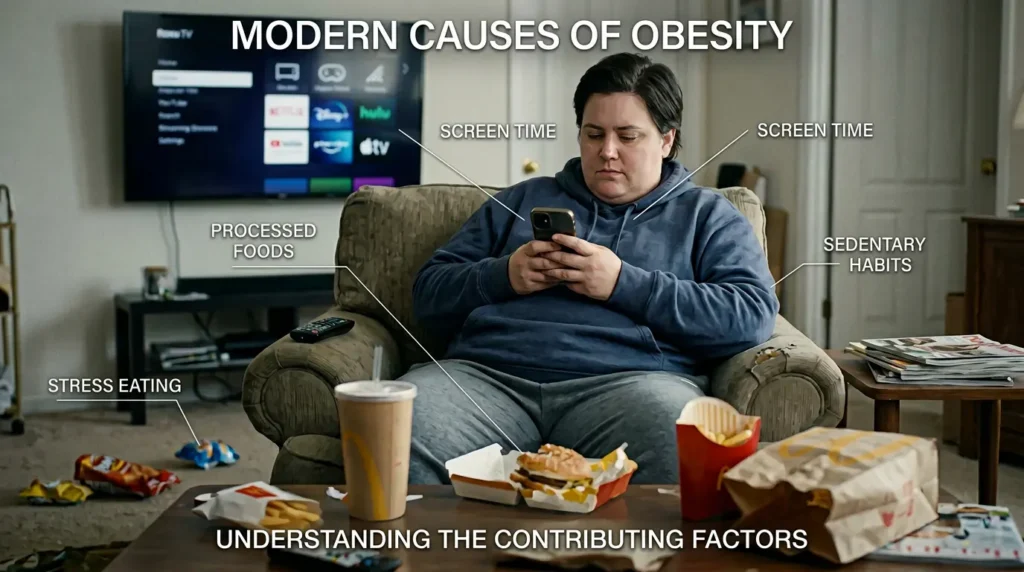
Modern lifestyle plays a major role in rising obesity levels.
Key Causes:
- Increased availability of high-calorie foods
- Sedentary lifestyle due to technology
- Reduced physical activity
- Increased screen time
- Stress and emotional eating
Lack of movement combined with unhealthy eating leads to gradual weight gain over time.
Early Signs You Should Not Ignore
Obesity often shows early warning signs that many people overlook.
Common Red Flags:
- Breathlessness
- Daytime sleepiness
- Snoring or sleep apnea
- Joint pain
- Darkening of skin around neck (insulin resistance sign)
- Rapid increase in waist size
Recognizing these signs early can help in timely intervention.
Is Obesity Just Lifestyle or Medical Condition?
Obesity is not due to laziness. It is a multifactorial condition influenced by:
- Genetics
- Environment
- Lifestyle
That is why extreme dieting or sudden exercise plans often fail. A structured and guided approach is always more effective.
How to Manage Obesity Effectively

1. Set Realistic Goals
Start with small, achievable targets.
- Aim for 5–10% weight loss in 3–6 months
- Even 5% weight loss improves blood sugar, blood pressure, and overall health
2. Follow a Structured Diet
Healthy eating is the foundation of weight management.
- Control portion sizes
- Reduce processed and high-calorie foods
- Focus on whole, natural foods
Even small excess calories daily can lead to weight gain over time.
3. Stay Physically Active
Physical activity is essential.
- Aim for 45–60 minutes of activity daily
- Start slow and increase gradually
- Choose activities like walking, cycling, or swimming
Regular movement improves metabolism and helps burn calories.
4. Build Muscle Strength
Muscle plays an important role in metabolism.
- Include 2–3 strength training sessions per week
- Helps prevent weight regain
- Improves insulin sensitivity
5. Focus on Behaviour Change
Long-term success depends on habits.
- Track weight regularly
- Create a healthy home environment
- Avoid triggers like junk food availability
- Stay consistent with routine
Consistency is more important than perfection.
Importance of Support System
Managing obesity alone can be difficult.
A team approach works best:
- Doctor
- Nutritionist
- Fitness expert
Support and accountability improve long-term success.
Indian Lifestyle Tips for Weight Contro
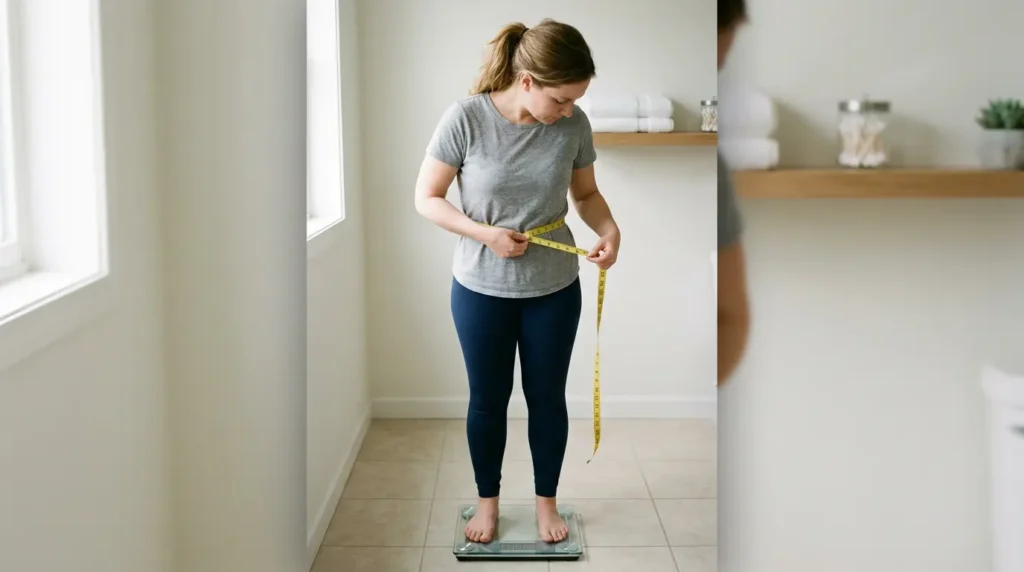
Simple daily changes can make a big difference:
- Replace fried foods with grilled or steamed options
- Choose chapati over paratha
- Control portions of rice and sweets
- Increase daily movement (walking, stairs)
- Involve family in healthy habits
Long-Term Maintenance is Key
Weight loss is just the beginning.
The body naturally tries to regain weight, so maintenance is important:
- Continue healthy habits
- Stay active
- Monitor progress regularly
Obesity management is a lifelong process, not a short-term plan.
Conclusion
Obesity is a serious but manageable condition.
By focusing on:
- Healthy eating
- Regular activity
- Behaviour changes
- Consistent monitoring
you can improve your health and reduce the risk of chronic diseases.
👉 Remember:
Small, consistent actions lead to long-term success
FAQs
1. Is obesity a disease?
Yes, obesity is a chronic disease that requires proper management.
2. How much weight should I lose first?
Start with 5–10% of your body weight.
3. Can obesity be reversed naturally?
Yes, with diet, exercise, and lifestyle changes.
4. How much exercise is needed daily?
At least 45–60 minutes of physical activity.
5. Why is weight regain common?
The body adapts and tries to maintain its previous weight, so consistency is important.