
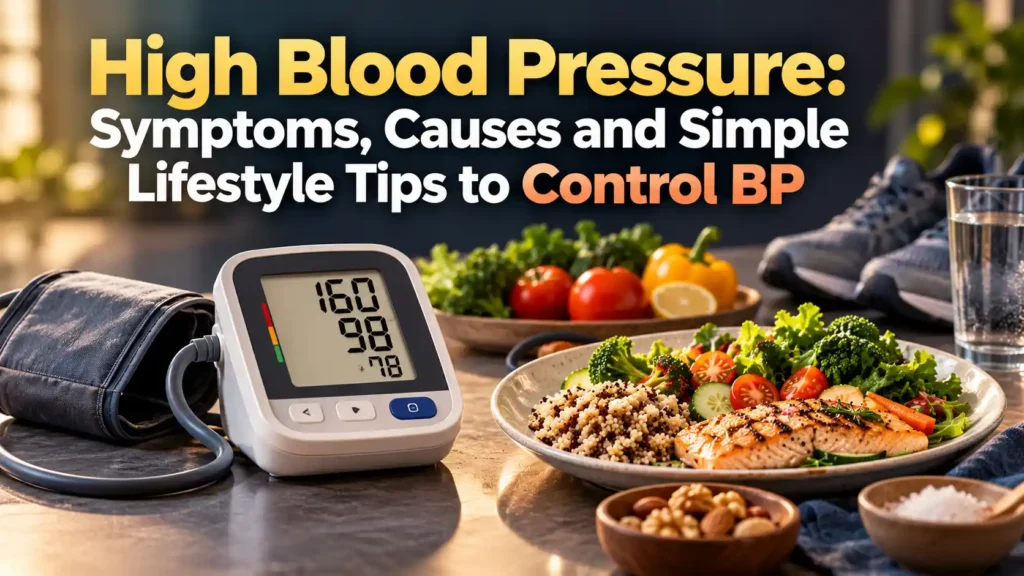
Simple Lifestyle Tips to Control BP: What Is Blood Pressure?
Blood pressure is the force created when blood flows through the arteries from the heart to different parts of the body. This pressure helps deliver oxygen and nutrients to vital organs such as the brain, lungs, liver and kidneys.
A blood pressure reading has two numbers:
- Systolic blood pressure: The upper number, which represents the pressure in the arteries when the heart contracts.
- Diastolic blood pressure: The lower number, which represents the pressure when the heart relaxes.
A commonly referenced normal blood pressure level is around 120/80 mmHg, although healthy blood pressure can vary between individuals.
Why Is High Blood Pressure Called a Silent Condition?
High blood pressure may not cause noticeable symptoms for years. A person can have elevated BP without feeling unwell, which is why regular blood pressure checks are important.
Some people may experience symptoms when blood pressure becomes significantly elevated, including:
- Persistent headaches
- Dizziness
- Blurred or double vision
- Ringing in the ears
- Facial flushing
- Palpitations
- Fatigue or weakness
- Difficulty concentrating
- Sleep problems
These symptoms are not specific to high blood pressure, so they should not be used alone to diagnose hypertension. Measuring blood pressure is the reliable way to identify elevated BP.
Simple Lifestyle Tips to Control BP: How Can High Blood Pressure Affect the Body?
When high blood pressure remains uncontrolled for a long time, it can place additional stress on blood vessels and vital organs.
Persistent hypertension is associated with an increased risk of complications involving the:
- Heart: including heart disease and heart attack
- Brain: including stroke
- Eyes: including damage to retinal blood vessels and vision problems
- Kidneys: including progressive kidney damage
When high blood pressure occurs together with diabetes, the risk of complications can be particularly important to manage. Regular monitoring and appropriate treatment can help reduce these risks.
Simple Lifestyle Changes to Help Control BP
1. Reduce Excess Salt
Reducing excess sodium intake is one of the important lifestyle steps for blood pressure management.
Instead of adding large amounts of salt while cooking, meals can be prepared with less salt and natural herbs and spices can be used for flavour.
For adults, limiting total salt intake to around 5 grams per day is a commonly recommended target. Remember that this includes salt already present in foods, not just the salt added at the table.
2. Exercise Regularly
Regular physical activity can support cardiovascular health and help with blood pressure management.
Walking, cycling, swimming, strength exercises and other suitable activities can be included according to an individual’s fitness level and medical condition.
3. Maintain a Healthy Weight
Excess body weight can contribute to higher blood pressure. Even modest weight loss may help improve blood pressure in people who are overweight.
A sustainable eating pattern combined with regular physical activity is generally more useful than extreme weight-loss methods.
4. Eat More Vegetables and Fruits
A balanced diet containing vegetables, leafy greens, legumes and appropriate portions of fruit can support overall heart health.
Foods containing potassium may also be helpful for blood pressure management. However, people with kidney disease or certain medical conditions may need to restrict potassium, so individual medical advice is important.
5. Avoid Smoking
Smoking damages blood vessels and increases cardiovascular risk. Quitting smoking is an important step for people with high blood pressure and for overall heart health.
6. Get Enough Sleep
Poor or insufficient sleep can affect cardiovascular health and may contribute to blood pressure problems.
Aim for a consistent sleep routine and adequate sleep each night.
7. Manage Stress
Chronic stress can affect lifestyle habits and cardiovascular health. Regular physical activity, relaxation techniques, breathing exercises and a structured daily routine can help support stress management.
8. Stay Adequately Hydrated
Adequate fluid intake is important for general health. However, water requirements vary based on body size, climate, activity level and medical conditions. People with kidney or heart problems should follow their doctor’s advice regarding fluid intake.
Why Regular BP Checks Matter
Because high blood pressure can remain unnoticed, checking your BP regularly is important even when you feel healthy.
If your readings are repeatedly elevated, consult a qualified healthcare professional for proper evaluation. Do not start, stop or change BP medication without medical guidance.
High Blood Pressure and Diabetes
Diabetes and high blood pressure commonly occur together and can increase the risk of complications affecting the heart, kidneys, eyes and blood vessels.
For people managing both conditions, controlling blood sugar, monitoring BP, following a balanced diet, staying physically active and taking prescribed medication consistently can all be important parts of long-term care.
At Dr. Rajender’s Lifestyle Clinic, Banjara Hills, Hyderabad, lifestyle-focused care combines medical guidance with nutrition, physical activity, weight management and sustainable lifestyle changes to support long-term metabolic health.
Frequently Asked Questions
What is blood pressure?
Blood pressure is the force of blood against the walls of the arteries as the heart pumps blood through the body. It is measured using systolic and diastolic numbers.
Can high blood pressure have no symptoms?
Yes. Many people with hypertension do not experience noticeable symptoms, which is why regular BP monitoring is important.
Does reducing salt help control blood pressure?
Reducing excessive sodium intake can help support blood pressure management, particularly in people who are sensitive to salt.
Can exercise help lower blood pressure?
Regular physical activity can support cardiovascular fitness and help manage blood pressure. The type and intensity of exercise should be appropriate for your health condition.
Can losing weight help with high BP?
Yes. For people who are overweight, even modest weight loss can contribute to better blood pressure control.
Can people with diabetes also have high blood pressure?
Yes. Diabetes and hypertension frequently occur together. Managing both conditions is important because having both can increase the risk of cardiovascular, kidney and other complications.
Take Control of Your Blood Pressure
High blood pressure may be silent, but its long-term effects can be serious. Regular BP checks, reduced excess salt, physical activity, healthy weight management, nutritious food, adequate sleep, stress management and avoiding smoking can all support better cardiovascular health.
If you are concerned about high BP, diabetes, weight or other metabolic health issues, Dr. Rajender’s Lifestyle Clinic in Banjara Hills, Hyderabad provides personalized medical and lifestyle guidance.
Book an appointment with Dr. Rajender Ramagiri for an individualized evaluation and lifestyle-focused care plan.
Read Also:

One Response