
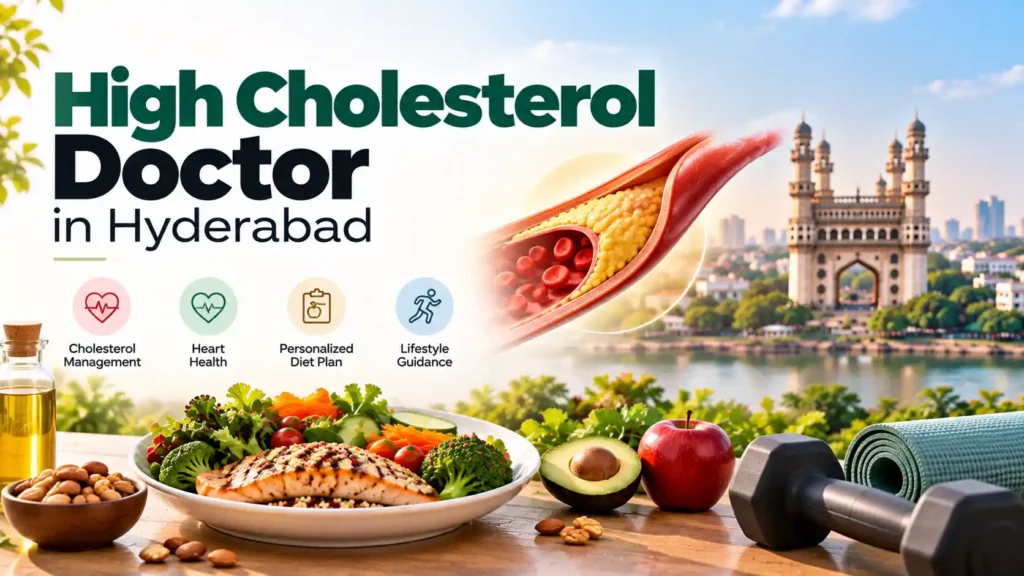
High Cholesterol Doctor in Hyderabad: Lower Heart Risk
High cholesterol rarely causes symptoms, yet it quietly contributes to blocked arteries, heart attacks,
and strokes. Indians tend to develop heart disease earlier than many other populations, and abnormal
cholesterol patterns are a major reason. A high cholesterol doctor in Hyderabad can interpret your lipid
profile in the context of your overall risk and recommend the right combination of lifestyle change and
treatment.
Understanding Your Lipid Profile
- LDL (bad) cholesterol: Deposits cholesterol in artery walls, so lower is better.
- HDL (good) cholesterol: Helps remove cholesterol, and low levels raise risk.
- Triglycerides: A blood fat raised by sugar, refined carbohydrates, alcohol, and obesity.
- Total and non-HDL cholesterol: Broader measures of risk.
- Lipoprotein(a): A genetically determined risk marker that many doctors suggest checking at least
once.
The Indian Cholesterol Pattern
Many Indians have high triglycerides, low HDL, and small, dense LDL particles even with moderate total
cholesterol, particularly in people with abdominal obesity, insulin resistance, or diabetes. This pattern
raises heart risk and responds strongly to weight loss, reduced refined carbohydrates, and physical
activity. It is why a lipid profile should be interpreted together with blood sugar and waist size.
Targets Depend on Your Risk
There is no single target for everyone. People with diabetes, existing heart disease, kidney disease, or
multiple risk factors need lower LDL levels than low-risk people. Your doctor estimates your risk using
age, blood pressure, diabetes, smoking, family history, and lipid values, and sets an individual target.
Food That Helps
- Reduce saturated fat from ghee, butter, vanaspati, fatty meats, and full-cream dairy.
- Avoid trans fats from bakery items, packaged snacks, and repeatedly reheated oil.
- Eat more soluble fibre from oats, pulses, fruit, and vegetables.
- Include nuts, seeds, and fish as healthy fat sources.
- Cut sugary drinks and sweets to lower triglycerides.
- Limit alcohol, which raises triglycerides.
Activity and Weight
Regular exercise raises HDL, lowers triglycerides, and helps weight control. Aim for 150 minutes of
moderate activity weekly. Losing five to ten percent of body weight can significantly improve
triglycerides and LDL.
When Medicines Are Needed
Statins are the most widely used cholesterol-lowering medicines and are proven to reduce heart attacks
and strokes in people at risk. Others, such as ezetimibe, may be added in selected cases. Side effects
are uncommon but can occur, so report muscle pain or other symptoms. Do not stop medicines on your
own, since cholesterol rises again when they are discontinued.
Familial Cholesterol Disorders
Very high LDL, especially with a family history of early heart disease, may point to familial
hypercholesterolaemia, an inherited condition that needs early treatment and family screening. Seek
medical advice if your LDL is very high or relatives had heart attacks young.
How Often to Test
Most adults are tested every one to five years depending on risk, and more often if they have diabetes,
are on treatment, or have recent changes. A fasting sample is not always required, and your clinic will
tell you how to prepare.
Care at Dr. Rajender’s Lifestyle Clinic
The clinic manages cholesterol as part of metabolic health, alongside Type 2 diabetes, hypertension,
obesity, and thyroid disorders, using a structured, evidence-based approach with personalised nutrition,
physical activity, lifestyle correction, and continuous medical guidance.
Book a Consultation
Visit https://www.drrajenderslifestyleclinic.com/ to learn more and book a consultation.
Frequently Asked Questions
Is high cholesterol only caused by food?
No. Genetics, weight, diabetes, thyroid disease, alcohol, and lack of exercise all contribute.
Do thin people need cholesterol tests?
Yes. Thin people can have high cholesterol, especially with a family history.
Are statins safe?
For most people at risk, statins are safe and effective, with benefits that outweigh risks. Your doctor will
monitor and adjust treatment.
Can cholesterol be lowered without medicines?
Many people improve through diet, activity, and weight loss, but those at high risk often need medicines
in addition.
Read Also:

One Response