
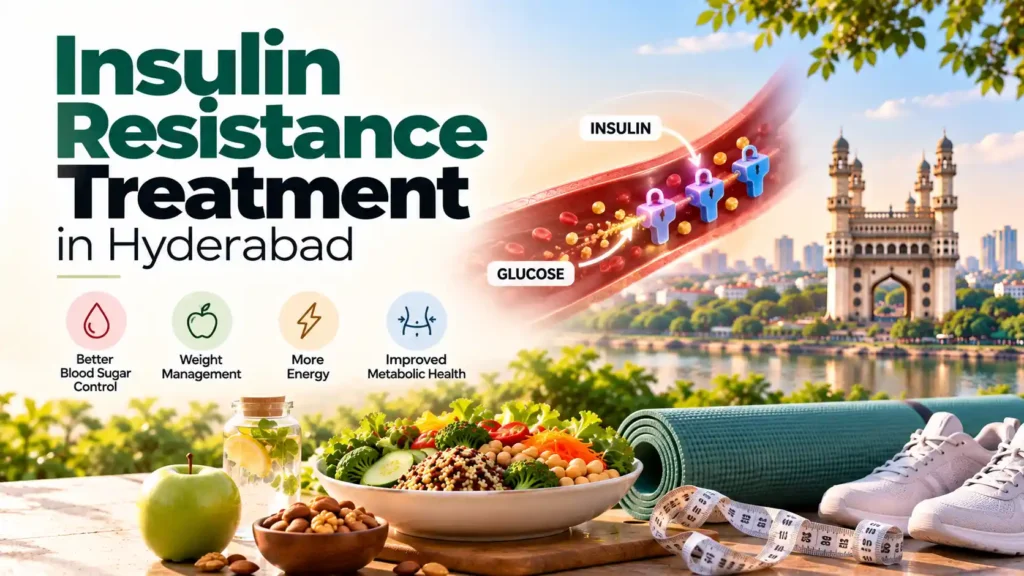
Insulin resistance is the hidden engine behind many modern health problems, including Type 2
diabetes, fatty liver, high blood pressure, abnormal cholesterol, and PCOS. It develops silently, often
years before blood sugar rises. Recognising and treating it early is one of the most effective ways to
prevent chronic disease. This guide explains insulin resistance treatment in Hyderabad in practical
terms.
What Is Insulin Resistance?
Insulin moves glucose from the blood into the cells. When cells respond poorly, the pancreas produces
more insulin to compensate. For a while, this keeps blood sugar normal, but high insulin levels promote
fat storage, raise blood pressure and triglycerides, and strain the pancreas. Eventually the pancreas
cannot keep up, and prediabetes or diabetes appears.
Signs and Clues
- Increasing waist size, especially abdominal fat.
- Dark, velvety skin patches (acanthosis nigricans) on the neck or underarms.
- Skin tags.
- Energy crashes and strong cravings after carbohydrate-rich meals.
- High triglycerides and low HDL cholesterol.
- Fatty liver on ultrasound.
- Irregular periods and PCOS in women.
- A family history of diabetes.
How It Is Diagnosed
There is no single universal test. Doctors combine clinical signs with fasting sugar, HbA1c, lipid profile,
liver tests, and blood pressure. Fasting insulin and the HOMA-IR calculation, which uses fasting glucose
and insulin, are sometimes used to estimate resistance, though cut-offs vary between laboratories. A
glucose tolerance test may be done in selected people. The overall picture matters more than one
number.
Treatment Pillars
- Nutrition: Reduce refined carbohydrates and sugary drinks, and build meals around vegetables,
protein, fibre, and healthy fats. - Strength training: Muscle is a major site of glucose uptake, so building it improves sensitivity.
- Aerobic activity: Brisk walking after meals lowers post-meal sugar.
- Weight reduction: Even five to ten percent weight loss helps.
- Sleep: Short or disturbed sleep worsens resistance.
- Stress control: Chronic stress raises cortisol and appetite.
Medicines
Metformin is the most commonly used medicine for insulin resistance with prediabetes or PCOS, and
other medicines may be used for associated problems such as diabetes, cholesterol, or blood pressure.
Medicines support, but do not replace, lifestyle change, and should only be taken as prescribed.
Supplements and Fads
Many products claim to cure insulin resistance, including special teas, powders, and extreme diets.
Evidence for most is weak, and some supplements interact with medicines. Ask your doctor before
starting any, and be cautious about plans that eliminate entire food groups without a medical reason.
Tracking Progress
Progress shows up in waist size, energy, fasting sugar, HbA1c, triglycerides, and liver tests, usually
over three to six months. Skin patches may lighten slowly. Review with your doctor to adjust the plan as
markers improve.
Who Benefits Most From Early Treatment
People with prediabetes, PCOS, fatty liver, a family history of diabetes, or abdominal obesity gain the
most, since early intervention may prevent diabetes entirely.
Care at Dr. Rajender’s Lifestyle Clinic
The clinic offers structured, evidence-based, root-cause care for insulin resistance and related
conditions such as Type 2 diabetes, PCOS, obesity, and hypertension, with personalised nutrition,
physical activity, lifestyle correction, and continuous medical guidance.
Book a Consultation
Visit https://www.drrajenderslifestyleclinic.com/ to learn more and book a consultation.
Frequently Asked Questions
Can insulin resistance be reversed?
It can often be improved significantly with weight loss, strength training, nutrition, and sleep, though the
tendency may persist and habits must continue.
Do lean people get insulin resistance?
Yes, particularly if they have abdominal fat, PCOS, or a family history of diabetes.
Is the HOMA-IR test necessary?
It is optional and mainly adds information. Treatment decisions usually rely on the overall clinical picture
and standard tests.
Does insulin resistance always lead to diabetes?
No. With early action, many people prevent diabetes.
Read Also:

One Response