

What Is Masked Hypertension and Why Is It Important?
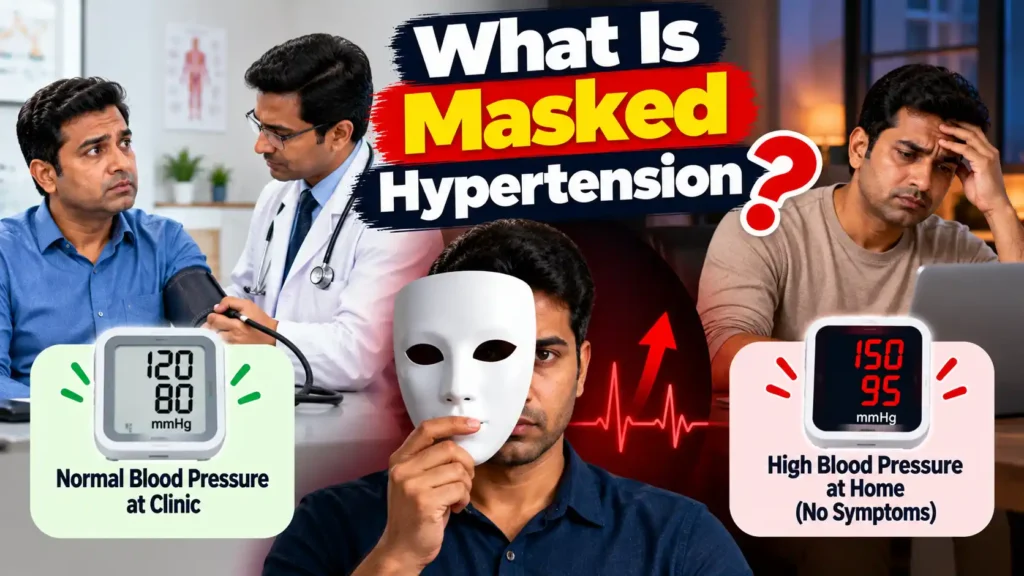
Some people have normal blood pressure readings at a doctor’s clinic but elevated readings at home, at work, or during everyday activities. This pattern is known as masked hypertension.
It is called “masked” because a clinic measurement may not reveal the person’s usual blood pressure levels. Without home or ambulatory monitoring, the condition can remain undetected.
Masked hypertension is important because blood pressure that stays elevated outside the clinic can increase the risk of cardiovascular and kidney complications. A normal reading during one appointment does not always mean that blood pressure is consistently healthy.
At Dr. Rajender’s Lifestyle Clinic, Banjara Hills, Hyderabad, understanding blood pressure patterns can help support appropriate monitoring and long-term cardiovascular health.
How Is Masked Hypertension Different From White Coat Hypertension?
These conditions describe opposite patterns.
- Masked hypertension: Blood pressure appears normal in the clinic but is elevated outside the clinic.
- White coat hypertension: Blood pressure is elevated in the clinic but is not elevated outside it.
Both patterns show why a single clinic measurement may not provide a complete picture.
A healthcare professional may recommend home monitoring or 24-hour ambulatory blood pressure monitoring when readings differ between settings or when cardiovascular risk factors suggest that additional assessment may be useful.
What Causes Masked Hypertension?
Masked hypertension does not have one single cause. Several factors may contribute to elevated blood pressure outside the clinic.
1. Work-Related Stress
Some people experience stress during work, commuting, or demanding daily activities. These situations can temporarily raise blood pressure and may contribute to higher readings outside the clinic.
However, stress should not automatically be assumed to be the cause. Repeated elevated readings need proper assessment.
2. Smoking, Caffeine, or Other Stimulants
Nicotine and caffeine can temporarily increase blood pressure in some people. Certain stimulant substances and medications can also affect readings.
If your home measurements are elevated, record relevant habits and discuss them with your healthcare professional.
3. Poor Sleep or Sleep Apnoea
Sleep quality can affect blood pressure regulation. Obstructive sleep apnoea, in which breathing repeatedly becomes restricted during sleep, is associated with hypertension and abnormal nighttime blood pressure patterns.
Loud snoring, gasping during sleep, and excessive daytime sleepiness may warrant medical assessment.
4. Diabetes and Other Metabolic Risk Factors
Diabetes, kidney disease, excess body weight, and other cardiovascular risk factors can increase the likelihood of blood pressure problems. People with these conditions may benefit from monitoring that goes beyond occasional clinic readings.
5. Blood Pressure Changes Throughout the Day
Blood pressure naturally changes in response to activity, stress, sleep, and other factors. A clinic measurement captures only one point in time, so it may not reflect the full daily pattern.
Why Is Masked Hypertension a Concern?
When elevated blood pressure goes undetected, a person may miss opportunities to reduce their long-term cardiovascular risk.
Persistent hypertension can contribute to:
- Heart disease and heart failure.
- Stroke.
- Kidney damage.
- Damage to blood vessels.
- Increased cardiovascular risk when combined with diabetes or high cholesterol.
Masked hypertension does not mean that these complications will definitely occur. The risk depends on the severity and duration of elevated blood pressure and other individual factors. Detecting the pattern helps clinicians decide on suitable monitoring and treatment.
How Is Masked Hypertension Diagnosed?
Home blood pressure monitoring
A validated upper-arm blood pressure monitor can help you record readings in your usual environment.
For more consistent results:
- Avoid smoking, caffeine, and exercise for about 30 minutes before measuring.
- Sit quietly for five minutes.
- Keep your back supported and feet flat on the floor.
- Support your arm at heart level.
- Take two readings about one minute apart.
- Record the readings, time, and any relevant circumstances.
Your clinician may recommend measuring in the morning and evening over several days.
Twenty-four-hour ambulatory blood pressure monitoring
ABPM uses a portable monitor that measures blood pressure periodically during the day and night. It can help identify patterns that occasional clinic readings may miss.
The results should be interpreted by a healthcare professional using appropriate clinical thresholds and your individual medical history.
Can Masked Hypertension Be Prevented or Managed?
Not every case can be prevented, but healthy habits can help reduce cardiovascular risk and support blood pressure control.
- Reduce excess sodium in your diet.
- Eat balanced meals rich in vegetables, fruit, pulses, and whole grains.
- Engage in regular physical activity.
- Avoid tobacco and limit alcohol.
- Maintain a consistent sleep schedule.
- Take prescribed medication as directed.
- Attend follow-up appointments and share home readings.
If masked hypertension is confirmed, your clinician will determine whether lifestyle changes, medication, or both are appropriate.
Frequently Asked Questions
1. Can blood pressure be normal at the clinic but high at home?
Yes. This is the characteristic pattern of masked hypertension. Home or ambulatory monitoring can help identify it.
2. Does masked hypertension cause symptoms?
It often does not cause noticeable symptoms. Measuring blood pressure is therefore more reliable than waiting for symptoms to appear.
3. Who should consider home blood pressure monitoring?
It may be useful for people with cardiovascular risk factors, inconsistent readings, or a clinician’s recommendation. Ask your healthcare professional how frequently you should measure it.
4. Is masked hypertension dangerous?
It can be important because elevated blood pressure outside the clinic may go undetected. Persistent hypertension increases the risk of cardiovascular and kidney complications.
5. Can a smartwatch diagnose masked hypertension?
Most consumer wearables should not be relied on to diagnose hypertension unless they have a validated blood pressure measurement function approved for that purpose. A validated cuff-based monitor or clinical ambulatory monitoring is generally more appropriate.
Conclusion
Masked hypertension occurs when clinic readings appear normal but blood pressure is elevated outside the medical setting. Home monitoring and ambulatory measurements can help reveal this pattern and guide appropriate care.
If your clinic readings are normal but you are concerned about your blood pressure at home or work, consult Dr. Rajender’s Lifestyle Clinic, Banjara Hills, Hyderabad for guidance on monitoring and cardiovascular risk assessment.
Read Also:


One Response