
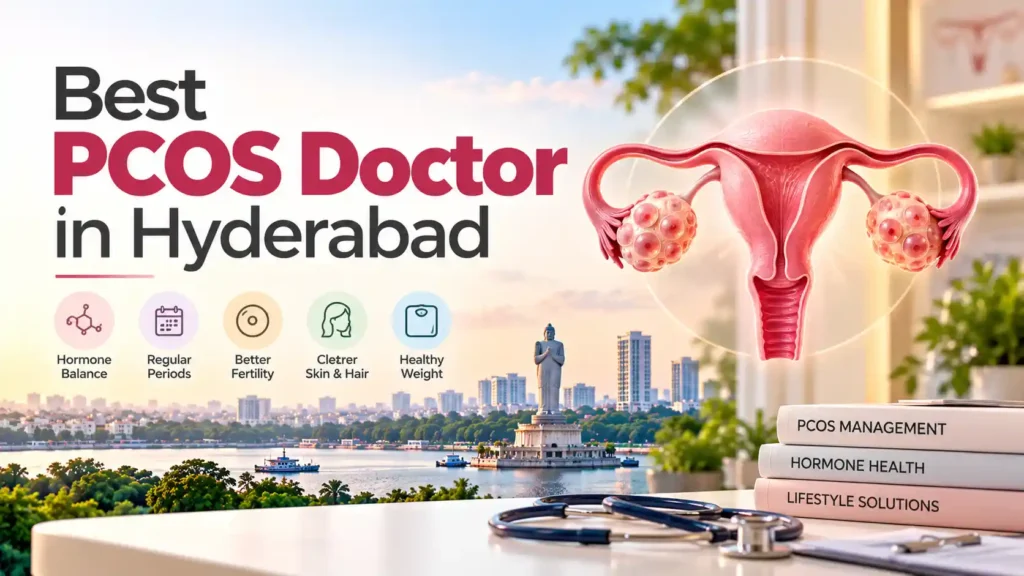
Best PCOS Doctor in Hyderabad:
Polycystic ovary syndrome, or PCOS, affects a large number of women during their reproductive years,
yet many wait years for a proper diagnosis. Irregular periods, acne, excess hair growth, and weight gain
are often dismissed or treated separately. Finding the best PCOS doctor in Hyderabad means finding
someone who connects these symptoms and treats the underlying hormonal and metabolic causes.
What Is PCOS?
PCOS is a hormonal condition in which the ovaries may not release eggs regularly and the body
produces higher levels of androgens, the so-called male hormones. Many women also have insulin
resistance, where the body needs more insulin to keep sugar in range. This extra insulin can worsen
weight gain, acne, and irregular cycles, and over time raises the risk of Type 2 diabetes.
Common Symptoms
- Irregular, infrequent, or absent periods.
- Excess facial or body hair, acne, or oily skin.
- Scalp hair thinning.
- Weight gain, especially around the abdomen.
- Dark velvety skin patches on the neck or underarms.
- Difficulty conceiving.
- Mood changes, low energy, and poor sleep.
How PCOS Is Diagnosed
Doctors usually diagnose PCOS when at least two of three features are present: irregular ovulation,
signs or blood tests showing high androgens, and polycystic-appearing ovaries on ultrasound. Other
conditions with similar features, such as thyroid disease and high prolactin, must be excluded. Many
specialists also check blood sugar, lipids, and blood pressure, because PCOS affects metabolic health.
Qualities of a Good PCOS Doctor
- Listens to the full story and avoids dismissing symptoms.
- Looks beyond the ovaries to insulin resistance, weight, and heart health.
- Tailors treatment to your goals, whether regular cycles, skin, weight, or fertility.
- Explains the role of lifestyle, medicines, and follow-up.
- Is honest that PCOS is managed, not cured.
- Coordinates with a gynaecologist or fertility specialist when needed
Why Lifestyle Is the Foundation
International guidelines place lifestyle change at the centre of PCOS care. Even a modest weight loss of
five to ten percent in women with excess weight can improve cycles, insulin resistance, and ovulation.
Nutrition, regular exercise, good sleep, and stress management benefit women of all body sizes,
including lean women with PCOS.
Long-Term Health Risks to Know
Women with PCOS have a higher risk of Type 2 diabetes, gestational diabetes, fatty liver, high blood
pressure, abnormal cholesterol, and sleep apnoea. Long gaps between periods can thicken the uterine
lining, which needs medical attention. Regular screening and early lifestyle action reduce these risks
significantly.
Myths About PCOS
One myth is that only overweight women get PCOS. Lean women can have it too. Another is that PCOS
means you can never conceive. Many women with PCOS conceive naturally or with simple treatment. A
third is that birth control pills cure PCOS. They regulate cycles and symptoms but do not address the
root cause.
Questions to Ask Your Doctor
Ask which tests you need, how PCOS is affecting your sugar and cholesterol, what the treatment plan
means for future pregnancy, what to expect from medicines, and how often you should return. Bring a
record of your periods for the past six months if possible.
Care at Dr. Rajender’s Lifestyle Clinic
The clinic treats PCOS as part of lifestyle-related metabolic health, with a structured, evidence-based,
root-cause-focused approach. Care includes personalised nutrition, physical activity, lifestyle correction,
and continuous medical guidance for PCOS along with diabetes, thyroid disorders, hypertension, and
obesity.
Book Your Consultation
Visit https://www.drrajenderslifestyleclinic.com/ to learn more and book a consultation.
Frequently Asked Questions
Can PCOS be cured completely?
PCOS is a long-term condition that is managed rather than cured. Lifestyle change and treatment can
greatly improve symptoms and health risks.
Can I get pregnant with PCOS?
Yes. Many women with PCOS conceive naturally, and others succeed with treatment. Early planning
with your doctor helps.
Do lean women get PCOS?
Yes. Lean women can have PCOS and insulin resistance, so symptoms should not be dismissed based
on body weight.
Which tests are used to diagnose PCOS?
Doctors use history, examination, hormone tests, an ultrasound, and checks to exclude thyroid disease
and other causes.
Read Also:

One Response