
Introduction
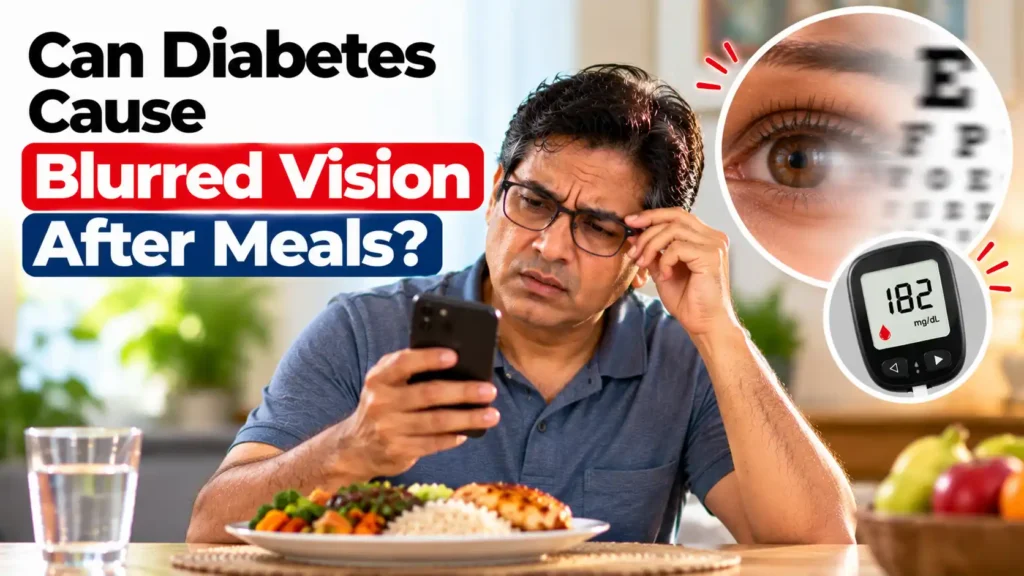
Have you ever noticed that your vision becomes blurry after eating a meal? You may find it difficult to focus on objects, read text clearly, or look at your phone for a short period. While occasional changes in vision can have several explanations, blurred vision after meals may sometimes be associated with changes in blood sugar levels, particularly in people with diabetes.
When you eat, your body breaks down carbohydrates into glucose, which enters the bloodstream. Blood sugar naturally rises after meals, but the body normally regulates it through insulin and other mechanisms. In people with diabetes, glucose levels may rise more than expected or take longer to return to the target range.
These changes can affect the eye’s ability to focus. However, blurred vision is not always caused by diabetes. Dry eyes, medication effects, changes in blood pressure, and other eye conditions can also affect vision.
Understanding the possible connection between diabetes and blurred vision after meals can help you recognise when to monitor your blood sugar and when to seek medical attention.
Can Diabetes Cause Blurred Vision After Meals?
Yes, diabetes can cause temporary blurred vision when blood glucose levels fluctuate significantly. After eating, particularly a meal containing a large amount of carbohydrates, blood glucose may rise. If glucose levels become elevated, changes in the fluid balance within the eye’s lens can temporarily affect its focusing ability.
As a result, objects may appear blurry or out of focus.
This type of blurred vision may improve when blood glucose returns to a more stable range. However, repeated episodes should not be ignored because they may indicate that your diabetes needs better assessment or management.
Important: Blurred vision after meals alone does not confirm diabetes or prove that blood sugar is high. A glucose measurement and appropriate medical evaluation are needed to identify the cause.
Why Does Vision Become Blurry After Eating?
Several mechanisms may explain why someone experiences blurred vision after a meal.
1. High Blood Sugar After Meals
One possible cause is post-meal hyperglycaemia, which means blood glucose rises above the desired range after eating.
Foods containing carbohydrates, including rice, bread, roti, potatoes, sweets, and sugary drinks, contribute to post-meal glucose levels. The size of the meal, carbohydrate quantity, medication, physical activity, and the body’s insulin response all influence the rise.
When blood glucose remains high, changes in fluid balance within the eye’s lens can affect how it focuses light.
You may notice:
- Difficulty reading small text.
- Objects appearing slightly out of focus.
- Vision that changes throughout the day.
- Temporary difficulty focusing at different distances.
These symptoms are not specific to high blood sugar, so measuring glucose and arranging an eye examination when appropriate are important.
2. Rapid Changes in Blood Glucose
Vision may become blurry not only when glucose is high but also when glucose levels change rapidly.
Changes in blood glucose can affect the lens’s water balance and refractive properties. This may temporarily alter the eye’s focusing ability.
For example, a person whose blood glucose has been elevated for some time may notice changes in vision as glucose levels improve during treatment.
Do not change your diabetes medication or deliberately keep blood sugar high to avoid vision changes. Discuss persistent symptoms with your healthcare professional.
3. Poorly Controlled Diabetes
If blood glucose frequently rises above the target range, vision changes may occur more often.
Poorly controlled diabetes can also increase the risk of long-term eye complications, including diabetic retinopathy, which affects the blood vessels in the retina.
Diabetic retinopathy may not cause noticeable symptoms in its early stages. This is why people with diabetes need regular comprehensive dilated eye examinations, even when their vision seems normal.
Temporary blurred vision and diabetic retinopathy are not the same condition, but persistent vision changes should be assessed rather than assumed to be harmless.
4. Dehydration Associated With High Blood Sugar
High blood glucose can cause the kidneys to remove more glucose through urine. Water follows the glucose, increasing fluid loss and the risk of dehydration.
Dehydration may cause thirst, tiredness, dizziness, and difficulty concentrating. It may also contribute to general discomfort and make glucose management more difficult.
If blurred vision occurs alongside excessive thirst, frequent urination, or weakness, check your blood glucose if possible and seek medical advice if the symptoms persist.
5. Other Eye Conditions
Not all blurred vision after meals is related to diabetes. Other possible causes include:
- Dry eyes.
- Changes in prescription glasses.
- Cataracts.
- Eye inflammation.
- Certain medications.
- Blood pressure changes or other medical conditions.
An eye-care professional can help determine whether the problem originates in the eye itself or may be related to another health condition.
Which Foods Can Cause Blood Sugar to Rise After Meals?
The amount and type of carbohydrate you eat can influence post-meal blood glucose. However, foods do not affect everyone in exactly the same way.
Foods and drinks that may cause a rapid or substantial glucose rise when consumed in large portions include:
- Sugary drinks and packaged fruit juices.
- Sweets, desserts, and sweetened snacks.
- Large portions of white rice.
- White bread and refined-flour foods.
- Large meals containing mostly carbohydrates with little protein or fibre.
This does not mean that people with diabetes must completely avoid rice, roti, or other carbohydrate-containing foods.
A more useful approach is to consider portion sizes and balance meals with vegetables, suitable protein sources, and fibre-rich foods.
For example, a meal containing an appropriate portion of rice, dal, vegetables, and a suitable protein source may provide a more balanced nutritional combination than a meal consisting mainly of rice.
Your ideal meal plan depends on your glucose readings, medication, activity level, and other health conditions.
How Can You Reduce the Risk of Blurred Vision After Meals?
If you have diabetes or experience repeated post-meal vision changes, the following steps may help support better glucose management.
1. Monitor Your Blood Sugar
If your vision becomes blurry after eating, check your blood glucose if possible and follow your clinician’s monitoring plan.
If you use a glucose meter, record the reading and the time since your meal. If you use a continuous glucose monitor, review the glucose trend while remembering that sensor readings may differ from blood glucose measurements.
Repeated high readings should be discussed with your healthcare professional.
2. Eat Balanced Meals
Include a suitable combination of vegetables, protein, fibre-rich foods, and carbohydrate sources.
Examples of protein foods include dal, chickpeas, eggs, curd, paneer, fish, chicken, and tofu. Choose portions that fit your individual nutrition needs.
3. Be Mindful of Carbohydrate Portions
Large carbohydrate portions can cause substantial post-meal glucose rises in some people. Consider the quantity of rice, roti, bread, or other carbohydrate-rich foods in your meals.
A dietitian or diabetes care professional can help you determine appropriate portions without unnecessarily restricting essential nutrients.
4. Stay Hydrated
Drink water regularly unless you have been advised to limit fluids for a medical reason. Adequate hydration supports normal body functions, but drinking water alone will not treat significantly elevated blood sugar or an eye condition.
5. Take Prescribed Medication as Directed
If you have diabetes, take prescribed medication according to your treatment plan. Do not change doses or stop medicines because of blurred vision without medical guidance.
If your glucose readings are repeatedly above your target range, your healthcare professional may need to review your treatment.
6. Schedule Regular Eye Examinations
People with diabetes should have comprehensive eye examinations at intervals recommended by their eye-care professional. These examinations can detect diabetic retinopathy and other problems before substantial vision loss develops.
If you notice new or persistent blurred vision, arrange an assessment rather than waiting for your next routine appointment.
When Is Blurred Vision After Meals a Warning Sign?
Seek prompt medical evaluation if blurred vision happens repeatedly, lasts longer than expected, or occurs with other symptoms of high blood sugar.
Warning signs include:
- Increased thirst.
- Frequent urination.
- Unexplained weight loss.
- Persistent fatigue.
- Repeated high blood glucose readings.
- Vision that continues to deteriorate.
Seek emergency eye care immediately if you experience sudden loss of vision, a sudden increase in floaters, flashes of light, a dark curtain or shadow across your vision, severe eye pain, or sudden visual changes accompanied by weakness, difficulty speaking, or other neurological symptoms.
Do not assume sudden vision loss is caused by a routine blood sugar fluctuation. Some causes require immediate treatment.
Frequently Asked Questions (FAQs)
1. Can diabetes cause blurred vision immediately after eating?
Yes, changes in blood glucose after meals may contribute to temporary blurred vision in people with diabetes. However, symptoms immediately after eating can have other causes, and timing alone cannot identify the reason.
2. Does blurred vision mean my blood sugar is high?
Not necessarily. Blurred vision can occur with glucose fluctuations, eye conditions, dry eyes, and other health problems. Check your blood glucose if appropriate and seek medical advice for persistent or recurring symptoms.
3. How long does diabetes-related blurred vision last?
The duration varies depending on the cause. Temporary changes associated with glucose fluctuations may improve as glucose stabilises, but this can take time. Persistent or sudden blurred vision should not be assumed to be temporary.
4. Can high blood sugar permanently damage eyesight?
Long-term poorly controlled diabetes can damage the retina and increase the risk of diabetic retinopathy, which may lead to vision loss. Early detection and appropriate treatment can reduce the risk of serious complications.
5. Can blurred vision be the first sign of diabetes?
It can occur in someone who has undiagnosed diabetes, but blurred vision alone is not enough to diagnose it. A healthcare professional may recommend blood glucose testing and other investigations based on your symptoms.
6. Should I stop eating rice if my vision becomes blurry after meals?
Not necessarily. Rice can be included in many diabetes meal plans in appropriate portions. The overall balance of your meal, carbohydrate quantity, medication, and individual glucose response are more important than automatically eliminating one food.
7. Can drinking water improve blurred vision caused by high blood sugar?
Water can help address dehydration, but it does not directly treat every cause of blurred vision or reliably correct high blood glucose. Persistent symptoms require medical assessment.
8. When should a person with diabetes see an eye specialist?
People with diabetes should follow recommended schedules for comprehensive eye examinations. New or recurring blurred vision warrants prompt assessment, while sudden vision loss, flashes, a curtain-like shadow, or severe eye pain requires emergency evaluation.
Conclusion
Diabetes can cause blurred vision after meals when blood glucose rises or changes rapidly enough to affect the eye’s focusing ability. Repeated vision changes may also occur alongside poorly controlled diabetes, which increases the risk of long-term eye complications.
However, blurred vision is not always caused by diabetes. Monitoring blood glucose, maintaining balanced meals, taking prescribed medication, and attending regular eye examinations can support better health.
If you experience repeated blurred vision after eating, consult a healthcare professional to identify the cause. Seek urgent care for sudden or severe changes in vision.
Get Personalised Diabetes Care at Dr. Rajender’s Lifestyle Clinic
At Dr. Rajender’s Lifestyle Clinic, Banjara Hills, Hyderabad, diabetes care focuses on evidence-based medical guidance, personalised nutrition, sustainable lifestyle changes, physical activity, and ongoing support.
If you experience fluctuating blood sugar, repeated high post-meal readings, or symptoms that may be associated with diabetes, a professional assessment can help guide appropriate glucose monitoring and treatment.
Book a consultation with Dr. Rajender’s Lifestyle Clinic in Hyderabad for personalised support with blood sugar management and long-term metabolic health. If you are experiencing blurred vision, arrange an eye-care assessment as well; diabetes management does not replace a comprehensive eye examination.
Read Also:

One Response