
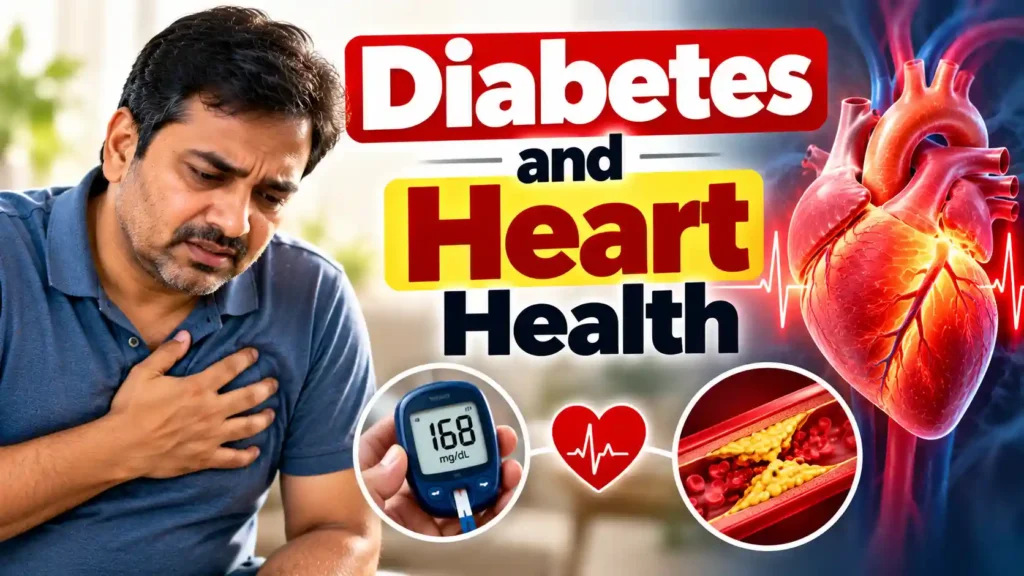
Diabetes and Heart Health: How to Protect Your Heart
Most people with diabetes worry about high sugar, but the biggest long-term danger is often heart
disease. Adults with diabetes have roughly twice the risk of heart attack and stroke compared with those
without it, and heart problems can appear at a younger age. The reassuring news is that the risk can be
lowered substantially by controlling sugar, blood pressure, and cholesterol, and by adopting a
heart-healthy lifestyle.
Why Diabetes Harms the Heart
High blood sugar damages the lining of blood vessels and encourages fatty deposits, called plaque, to
build up. Diabetes often travels with high blood pressure, abnormal cholesterol, abdominal obesity, and
fatty liver, all of which add to the strain. Over time, narrowed arteries can reduce blood flow to the heart,
brain, and legs, and the heart muscle itself can weaken, leading to heart failure.
Silent and Atypical Symptoms
People with diabetes may not feel classic chest pain, because nerve damage can dull the pain signal.
Warning signs can include unusual tiredness, breathlessness on mild exertion, sweating, nausea,
discomfort in the jaw, back, or upper abdomen, or a vague sense of unease. Never ignore such
symptoms, and seek care promptly.
The Targets That Matter
- HbA1c: A personalised target, often around 7 percent or as your doctor advises.
- Blood pressure: Commonly below 130/80 mmHg.
- LDL cholesterol: Lower targets for people with diabetes, and lower still if you have heart disease, as
set by your doctor. - Triglycerides and HDL: Aim to lower triglycerides and raise HDL through lifestyle.
- Waist size and weight: Work towards a healthy waist.
- Tobacco: Complete avoidance.
Medicines With Heart Benefits
Statins lower the risk of heart attack and stroke in most adults with diabetes. Blood pressure medicines
such as ACE inhibitors and ARBs protect the heart and kidneys. Certain diabetes medicines, including
some SGLT2 inhibitors and GLP-1 receptor agonists, have been shown to reduce cardiovascular
events in people at risk. Aspirin is not for everyone and should be taken only if your doctor advises it.
Never start or stop these medicines on your own.
Heart-Healthy Eating
- Fill half the plate with vegetables and add fruit in sensible portions.
- Choose whole grains, millets, and pulses over refined flour and polished rice.
- Replace ghee, vanaspati, and reused frying oil with measured amounts of healthy oils.
- Eat nuts, seeds, and fish regularly.
- Cut salt, sugary drinks, sweets, and processed foods.
- Limit red and processed meats.
Activity, Sleep and Stress
Aim for at least 150 minutes of moderate activity weekly plus strength training twice a week. Sleep
seven to eight hours, and get snoring and sleep apnoea checked. Manage stress with walking,
breathing exercises, and hobbies, since chronic stress raises blood pressure and blood sugar.
Do Not Forget the Legs
Peripheral artery disease reduces blood flow to the legs. Pain in the calves on walking that eases with
rest, cold or pale feet, hair loss on the legs, and wounds that heal slowly are warning signs. Report them
early, and avoid smoking.
Tests Your Doctor May Suggest
Regular checks include blood pressure, lipid profile, kidney function, and urine albumin. Depending on
your risk and symptoms, your doctor may advise an ECG, echocardiogram, treadmill stress test, or
other heart evaluations.
Emergency Signs
Call emergency services for chest pain or pressure lasting more than a few minutes, pain spreading to
the arm or jaw, sudden breathlessness, fainting, or signs of stroke such as facial droop, arm weakness,
or slurred speech. Do not drive yourself.
Care at Dr. Rajender’s Lifestyle Clinic
The clinic offers structured, evidence-based care for Type 2 diabetes, hypertension, cholesterol,
obesity, and metabolic conditions, with personalised nutrition, physical activity, lifestyle correction, and
continuous medical guidance aimed at protecting your heart. Cardiology evaluation is advised when
symptoms or tests suggest heart disease.
Book a Consultation
Visit https://www.drrajenderslifestyleclinic.com/ to learn more and book a consultation.
Frequently Asked Questions
Does diabetes always lead to heart disease?
No. Risk is higher, but good control of sugar, blood pressure, and cholesterol along with healthy habits
can lower it substantially.
Can a heart attack be painless in diabetes?
Yes. Nerve damage can reduce chest pain, so symptoms such as breathlessness, sweating, or fatigue
deserve attention.
Should every person with diabetes take aspirin?
No. Aspirin carries bleeding risk and is advised only for selected people. Ask your doctor.
How often should I check my heart risk?
At least yearly, with blood pressure, lipid profile, and review of symptoms and risk factors.
Read Also:

One Response