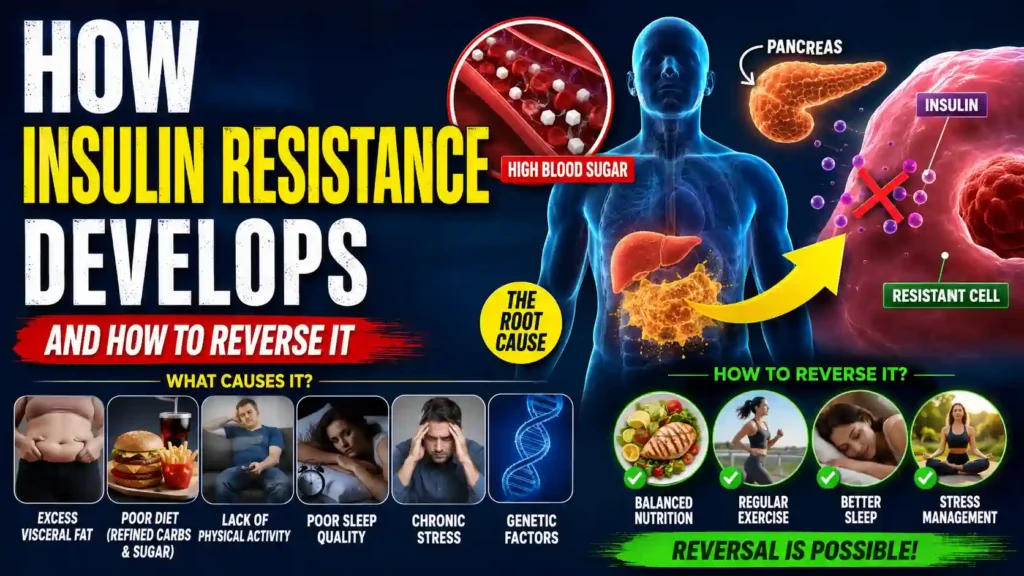
Insulin resistance is the underlying mechanism behind most cases of Type 2 diabetes. It occurs when
cells in the muscles, liver, and fat tissue stop responding properly to insulin, the hormone responsible for
moving glucose out of the bloodstream and into cells for energy. As a result, the pancreas is forced to
produce more and more insulin to compensate, eventually leading to elevated blood sugar levels.
Several factors contribute to the development of insulin resistance, including excess visceral fat around
internal organs, a diet high in refined carbohydrates and sugar, chronic inflammation, lack of physical
activity, poor sleep quality, and prolonged stress. Genetics can also play a role, but lifestyle factors are
often the primary drivers that can be modified.
The encouraging news is that insulin resistance is largely reversible when addressed early and
consistently. Reducing visceral fat through calorie-appropriate nutrition and regular physical activity is
one of the most effective strategies, as fat stored around the liver and pancreas directly interferes with
insulin signaling.
Strength training combined with regular aerobic activity has been shown to significantly improve insulin
sensitivity, as muscles become more efficient at absorbing glucose from the bloodstream. Reducing
intake of processed foods and refined sugars, while increasing fiber, protein, and healthy fats, helps
stabilize blood sugar and reduces the burden on the pancreas.
Improving sleep quality and managing chronic stress are equally important, as both cortisol and poor
sleep are known to worsen insulin resistance. At Dr. Rajender Lifestyle Clinic, patients receive a
personalized combination of these interventions, along with regular monitoring, to systematically reverse
insulin resistance and restore healthier blood sugar regulation over time.