PCOS and PCOD are often used interchangeably, but they refer to related, yet distinct conditions
affecting a woman’s ovaries and hormonal balance. Understanding the difference can help women better
understand their diagnosis and the most appropriate treatment approach.
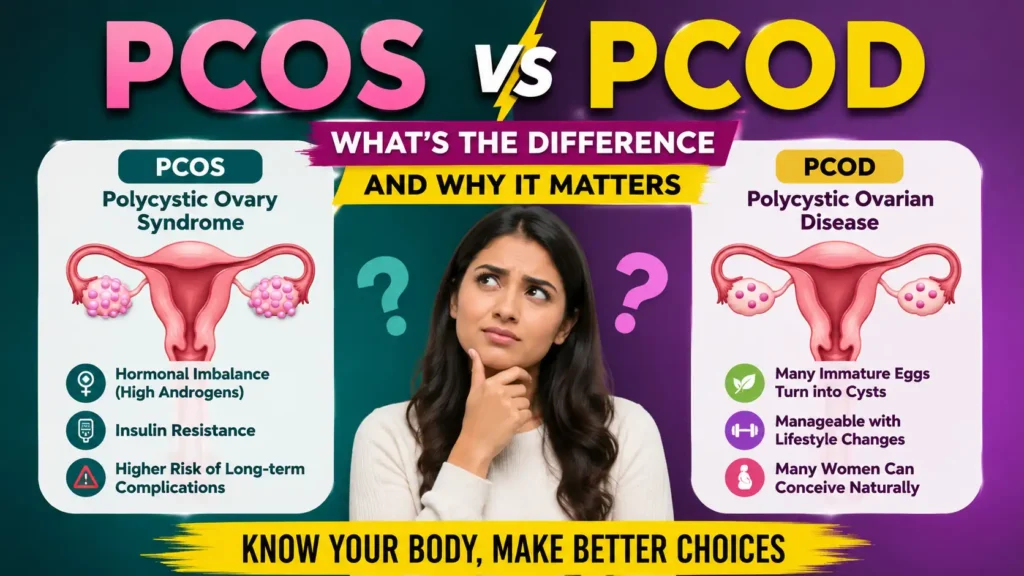
PCOD, or Polycystic Ovarian Disease, occurs when the ovaries produce a large number of immature or
partially mature eggs, which eventually turn into cysts. It is a relatively common condition, and in many
cases, lifestyle changes such as improved diet and regular exercise can help manage it effectively, with
many women still able to conceive naturally.
PCOS, or Polycystic Ovary Syndrome, is considered a more complex metabolic and endocrine disorder.
It involves hormonal imbalances, particularly elevated androgen levels, along with insulin resistance,
which can affect ovulation more significantly. PCOS is associated with a higher risk of long-term
complications, including Type 2 diabetes, cardiovascular disease, and infertility, if left unmanaged.
Both conditions share overlapping symptoms, including irregular menstrual cycles, weight gain, acne,
excessive hair growth, and difficulty conceiving. However, PCOS often presents more severe hormonal
disruption and typically requires a more comprehensive treatment approach that addresses insulin
resistance alongside hormonal correction.
Read Also : Diabetes and Sexual Health
Because insulin resistance plays such a central role in PCOS, lifestyle interventions similar to those used
in diabetes reversal, including personalized nutrition, regular physical activity, and stress management,
are highly effective in improving symptoms for both conditions. Regular monitoring of hormonal markers
and metabolic health helps track progress over time.
At Dr. Rajender Lifestyle Clinic, treatment plans are tailored based on each patient’s specific diagnosis,
whether PCOD or PCOS, ensuring the underlying hormonal and metabolic imbalances are addressed
appropriately rather than applying a one-size-fits-all approach.