
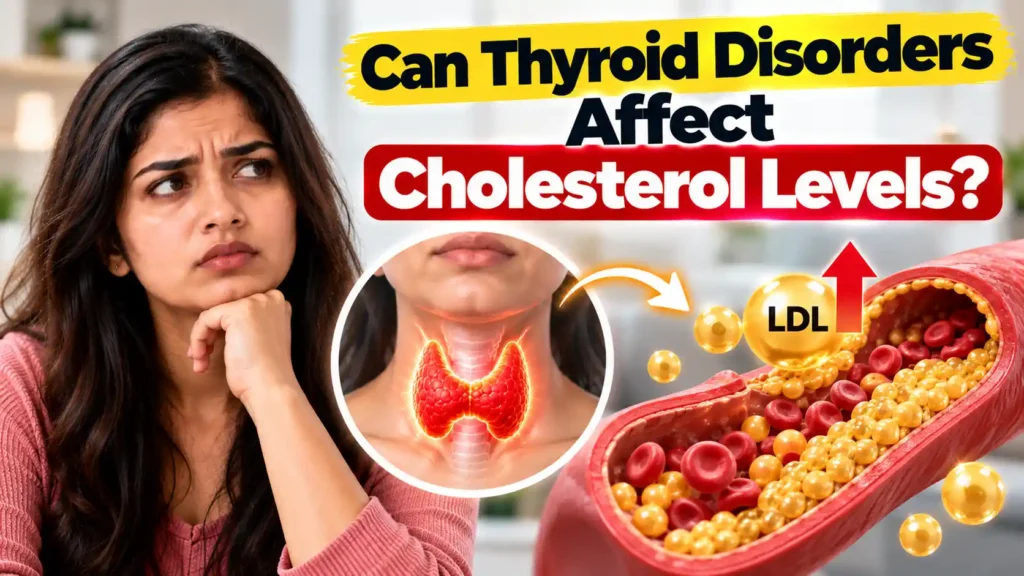
Can Thyroid Disorders Affect Cholesterol Levels?: High cholesterol is often associated with diet, physical activity, genetics, and age. However, thyroid function can also influence how the body processes fats. In particular, an underactive thyroid may contribute to elevated total cholesterol and LDL cholesterol.
The thyroid gland produces hormones that influence metabolism throughout the body, including the liver’s handling of cholesterol. When thyroid hormone levels are too low, cholesterol may be removed from the bloodstream less efficiently.
Thyroid disease is one possible contributor to abnormal cholesterol, but it is not the only cause. Understanding the relationship can help people and their healthcare professionals choose appropriate tests and treatment.
How Does the Thyroid Affect Cholesterol?
The liver plays a major role in producing, processing, and removing cholesterol from the blood. Thyroid hormones influence several of these processes.
When thyroid hormone levels are insufficient, the liver may become less effective at clearing LDL cholesterol from circulation. This can contribute to higher blood cholesterol levels.
The effect varies between individuals. It depends on the severity of thyroid dysfunction, genetics, diet, medications, and other health conditions.
Why Can Hypothyroidism Increase Cholesterol?
1. LDL cholesterol may rise
Hypothyroidism can reduce the activity of LDL receptors in the liver. These receptors help remove LDL cholesterol from the bloodstream.
When clearance slows, LDL cholesterol may increase. This matters because persistently elevated LDL cholesterol contributes to the development of atherosclerosis, in which fatty deposits accumulate in artery walls.
2. Total cholesterol may increase
Total cholesterol includes cholesterol carried by several types of lipoproteins. When LDL cholesterol rises, total cholesterol may rise as well.
A lipid profile helps distinguish the different components rather than relying on total cholesterol alone.
3. Triglycerides may also be affected
Some people with hypothyroidism experience elevated triglycerides or other changes in lipid metabolism. The pattern is not the same for everyone, and other conditions—such as diabetes, insulin resistance, and certain dietary patterns—may contribute.
4. Cardiovascular risk may become more complex
When hypothyroidism and high cholesterol occur together, a clinician may assess overall cardiovascular risk, including blood pressure, smoking status, diabetes, family history, and existing heart disease.
Treating thyroid dysfunction may improve cholesterol in some people, but additional cholesterol-lowering treatment may still be needed.
Can Hyperthyroidism Affect Cholesterol Too?
Yes. Hyperthyroidism often lowers total and LDL cholesterol because excess thyroid hormone can increase cholesterol clearance and alter lipid metabolism.
However, a low cholesterol result does not confirm hyperthyroidism. Thyroid function must be assessed with appropriate tests, and other causes of low cholesterol may also need consideration.
When Should You Consider Thyroid Testing for High Cholesterol?
A healthcare professional may consider thyroid testing when:
- Cholesterol is unexpectedly elevated.
- You have symptoms that may suggest hypothyroidism, such as fatigue, cold intolerance, constipation, or dry skin.
- You have a known thyroid condition and your lipid profile changes.
- Cholesterol remains abnormal despite appropriate lifestyle measures.
- You are about to begin or adjust treatment and your clinician wants to evaluate possible contributing factors.
TSH is commonly used as an initial test. Free T4 may be added if TSH is abnormal or the clinical situation requires it.
Not everyone with high cholesterol has thyroid disease, and routine testing decisions depend on individual circumstances and relevant guidelines.
Can Treating Hypothyroidism Improve Cholesterol?
If hypothyroidism is contributing to high cholesterol, appropriate thyroid hormone replacement may improve the lipid profile.
The amount of improvement varies. Cholesterol may not return to the desired range if other factors are present, such as familial hypercholesterolaemia, diabetes, kidney disease, or a strong genetic tendency toward high cholesterol.
Do not stop cholesterol medication because you have started thyroid treatment. Your clinician can repeat the lipid profile when appropriate and determine whether any changes to your treatment are justified.
Lifestyle Steps That Support Thyroid and Cholesterol Health
Choose heart-healthy meals
Include vegetables, pulses, whole grains in suitable portions, nuts, seeds, and appropriate protein sources. Limit frequent consumption of foods high in saturated or trans fats.
Stay physically active
Regular aerobic exercise and resistance training can support cardiovascular and metabolic health. Choose activities that fit your health and fitness level.
Take prescribed medication correctly
If you have hypothyroidism, take levothyroxine according to the instructions provided. Consistency helps ensure reliable absorption and more accurate monitoring.
Monitor related health conditions
Diabetes, high blood pressure, and abnormal cholesterol can occur together. Regular follow-up helps ensure that each risk factor is addressed appropriately.
Frequently Asked Questions
1. Can hypothyroidism cause high LDL cholesterol?
Yes. Hypothyroidism can reduce LDL clearance by the liver, contributing to higher LDL cholesterol levels.
2. Will cholesterol become normal after thyroid treatment?
It may improve, but not everyone reaches their cholesterol target through thyroid treatment alone. Repeat testing and an individualised plan may be needed.
3. Can high cholesterol be the only sign of hypothyroidism?
It is possible to have few noticeable thyroid symptoms, but high cholesterol alone does not establish the diagnosis. Blood testing is needed.
4. Does hyperthyroidism lower cholesterol?
It often does, but cholesterol levels are affected by multiple factors. A low cholesterol result cannot diagnose hyperthyroidism.
5. Should I stop statins if my thyroid is underactive?
No. Do not stop prescribed cholesterol medication without discussing it with your clinician. Both thyroid function and cardiovascular risk may need to be managed.
Conclusion
Thyroid hormones influence the way the body processes cholesterol, and hypothyroidism can contribute to higher LDL and total cholesterol. Treating an underactive thyroid may improve lipid levels, but cholesterol management often requires attention to additional risk factors.
Appropriate thyroid testing, lipid monitoring, balanced nutrition, physical activity, and medical guidance can help support long-term cardiovascular health.
Looking for guidance on thyroid and cholesterol management?
Dr. Rajender’s Lifestyle Clinic in Banjara Hills, Hyderabad, provides medical guidance for thyroid disorders and related metabolic concerns. Book a consultation to discuss your thyroid function, cholesterol results, and appropriate next steps.
Read Also:
