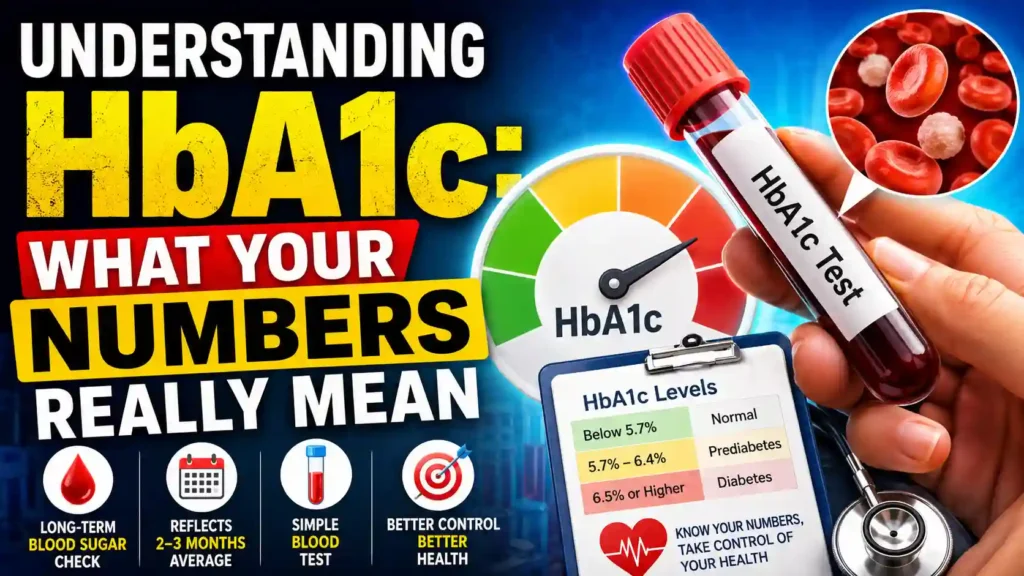
HbA1c, or glycated hemoglobin, is one of the most important blood tests used to assess long-term blood
sugar control. Unlike a fasting glucose test, which only reflects blood sugar at a single point in time,
HbA1c provides an average of blood sugar levels over the previous two to three months, making it a far
more reliable indicator of overall glucose control. The test works by measuring the percentage of hemoglobin, the protein in red blood cells that carries
oxygen, that has become coated with sugar. Since red blood cells live for about three months, the
HbA1c level reflects the average blood sugar exposure over that period.
Generally, an HbA1c below 5.7 percent is considered normal, while a level between 5.7 and 6.4 percent
indicates prediabetes. An HbA1c of 6.5 percent or higher on two separate tests typically confirms a
diagnosis of diabetes. For most people already diagnosed with diabetes, the target HbA1c is usually
below 7 percent, although this can vary based on age, other health conditions, and individual risk factors.
Tracking HbA1c over time is one of the most effective ways to measure the success of a diabetes
reversal program, as it reflects real, sustained improvement rather than a single good or bad day. A
meaningful reduction in HbA1c, even by one or two percentage points, significantly lowers the risk of
long-term complications such as nerve damage, kidney disease, and cardiovascular issues.
At Dr. Rajender Lifestyle Clinic, HbA1c is tested regularly throughout a patient’s program to provide
objective, lab-backed evidence of progress, allowing the medical team to adjust nutrition and lifestyle
strategies as needed to keep patients moving steadily toward their target range.