
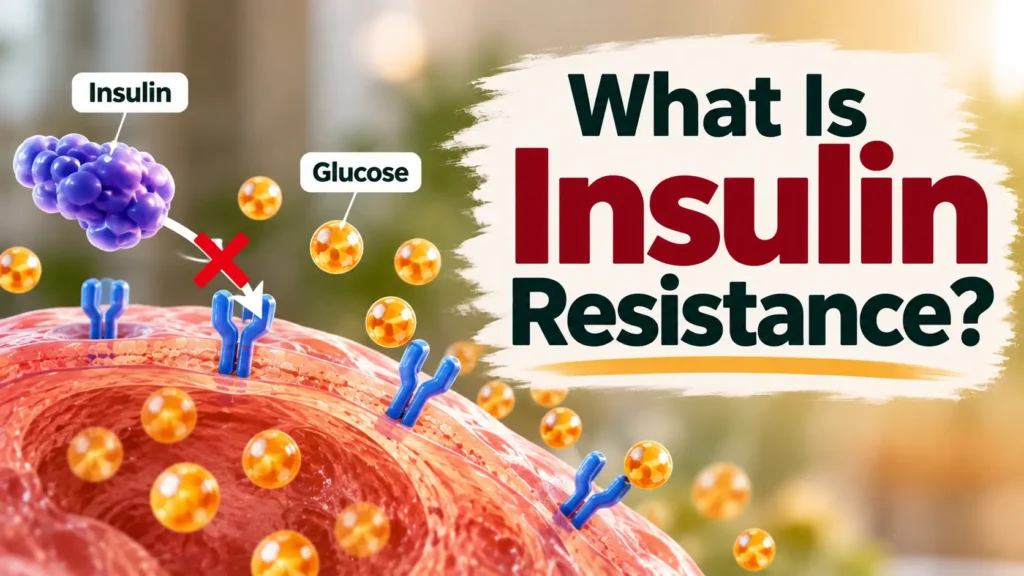
What Is Insulin Resistance?: Insulin resistance is a metabolic condition in which the body’s cells do not respond to insulin as effectively as they normally should. Insulin is a hormone produced by the pancreas that helps glucose move from the bloodstream into cells, where it can be used for energy.
When the body becomes less sensitive to insulin, the pancreas may produce more insulin to help keep blood glucose within a healthy range. For some time, blood sugar may remain normal even though insulin resistance is developing. Over time, however, the body may struggle to compensate, which can contribute to prediabetes and type 2 diabetes.
How Does Insulin Work?
After eating, carbohydrates are broken down into glucose, which enters the bloodstream. The pancreas releases insulin in response to the rise in blood glucose.
Insulin acts like a signal that helps cells take up glucose from the bloodstream. Muscle, fat and other tissues can then use glucose for energy or store it for later use.
With insulin resistance, cells become less responsive to this signal. As a result, the body may need to produce more insulin to achieve the same effect.
What Causes Insulin Resistance?
Insulin resistance can develop due to a combination of genetic, lifestyle and metabolic factors. Excess body weight, particularly abdominal fat, is commonly associated with insulin resistance.
Other factors may include:
- Physical inactivity
- Unhealthy dietary patterns
- Family history of type 2 diabetes
- Poor or insufficient sleep
- Increasing age
- Certain hormonal or metabolic conditions
Not everyone with insulin resistance will have the same risk factors.
What Is Insulin Resistance?: Signs of Insulin Resistance
Insulin resistance may not cause obvious symptoms in its early stages. Some people may have increased abdominal fat, difficulty losing weight, fatigue or changes in blood glucose. Darkened skin in certain body folds can also occur in some people.
However, these signs are not specific to insulin resistance. Appropriate blood tests and medical evaluation may be needed to assess metabolic health.
Can Insulin Resistance Be Improved?
Lifestyle changes can help improve insulin sensitivity for many people. Regular physical activity encourages muscles to use glucose for energy and may improve the body’s response to insulin.
A balanced diet that includes vegetables, protein, fiber-rich foods and appropriate portions can also support blood sugar management. For people with excess weight, gradual and sustainable weight loss may provide additional metabolic benefits.
Adequate sleep and stress management are also important parts of a healthy lifestyle.
Insulin Resistance and Diabetes
Insulin resistance does not automatically mean that a person has diabetes. However, persistent insulin resistance can increase the risk of prediabetes and type 2 diabetes, particularly when the pancreas can no longer produce enough insulin to compensate.
Early attention to lifestyle and metabolic health may help reduce risk and support better blood glucose control.
Conclusion
Insulin resistance occurs when the body’s cells become less responsive to insulin. It can develop gradually and may exist without noticeable symptoms. Regular physical activity, balanced nutrition, healthy weight management and appropriate medical care can support better insulin sensitivity and metabolic health.
For personalized guidance on insulin resistance, blood sugar management and lifestyle-based care, consult Dr. Rajender’s Lifestyle Clinic, Banjara Hills, Hyderabad.
Read Also:

One Response