
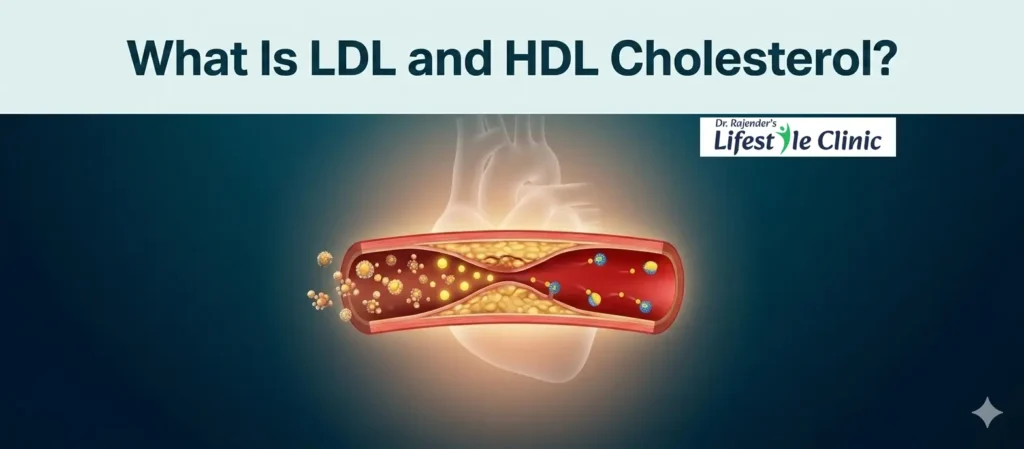
What Is LDL and HDL Cholesterol? Understanding Good and Bad Cholesterol
Introduction
Many people hear doctors talk about LDL and HDL cholesterol, but not everyone understands what they mean. Cholesterol is a fatty substance present in the blood. Our body needs cholesterol to build cells and produce hormones. However, too much cholesterol can increase the risk of heart disease.
Understanding LDL and HDL cholesterol is important because these two types play different roles in the body. LDL is commonly known as bad cholesterol, while HDL is called good cholesterol. Maintaining the right balance between LDL and HDL cholesterol is essential for heart health.
What Is Cholesterol?
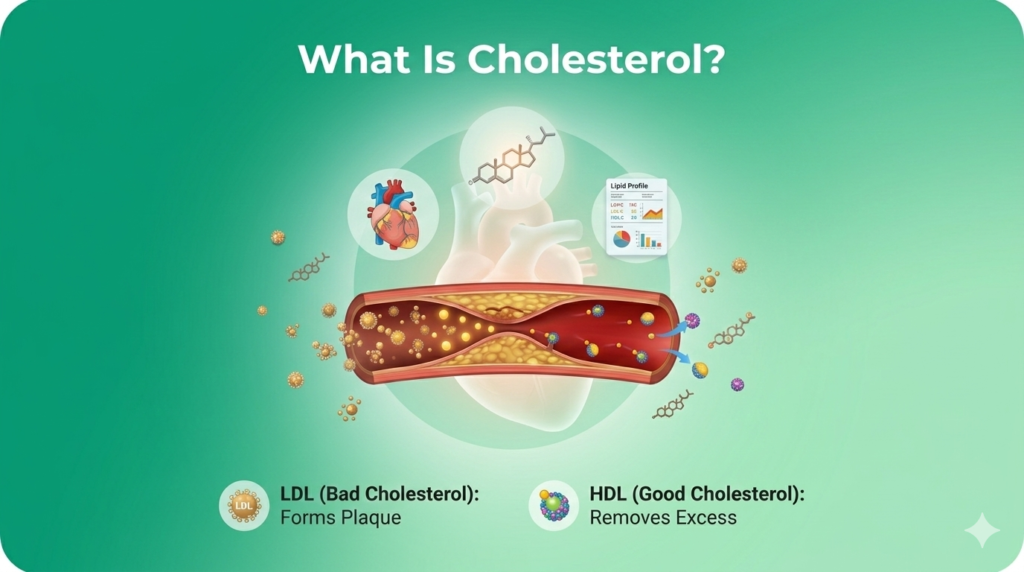
Before understanding LDL and HDL cholesterol, it is important to know what cholesterol is.
Cholesterol is a waxy fat-like substance found in the bloodstream. It is produced by the liver and also obtained from food sources such as meat, dairy products, and processed foods.
Cholesterol travels through the blood with the help of proteins called lipoproteins. These lipoproteins carry cholesterol to different parts of the body.
The two main types of cholesterol carriers are:
- LDL (Low-Density Lipoprotein)
- HDL (High-Density Lipoprotein)
These two forms make up the most important part of a cholesterol test.
What Is LDL Cholesterol?
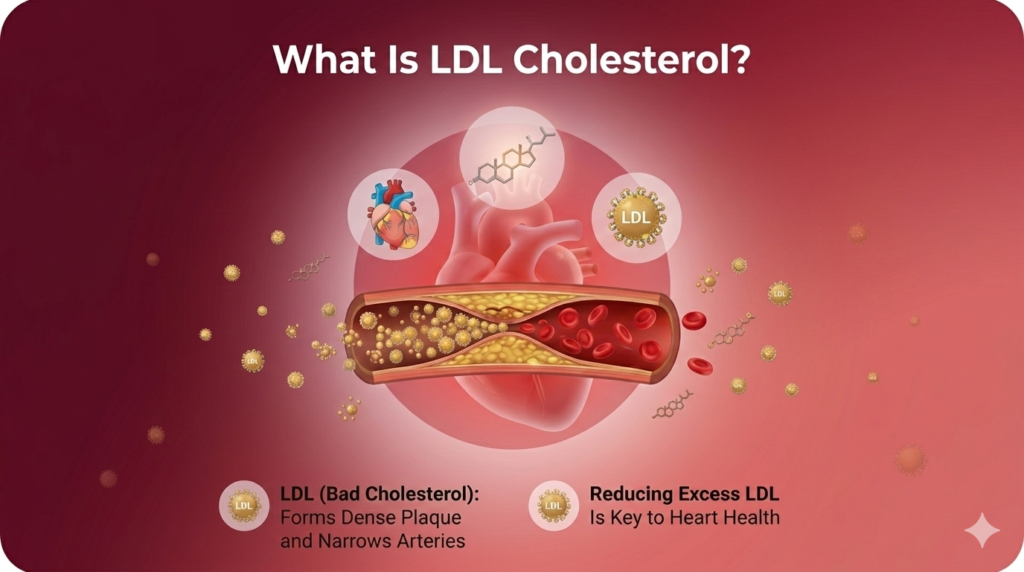
LDL cholesterol stands for Low-Density Lipoprotein. It is often called bad cholesterol.
LDL carries cholesterol from the liver to different parts of the body. However, when LDL levels become too high, excess cholesterol begins to accumulate inside the walls of blood vessels.
This process leads to plaque formation in arteries.
Over time, plaque buildup can:
- Narrow blood vessels
- Reduce blood flow
- Increase heart attack risk
- Increase stroke risk
Because of these harmful effects, high LDL cholesterol is considered dangerous for heart health.
What Is HDL Cholesterol?
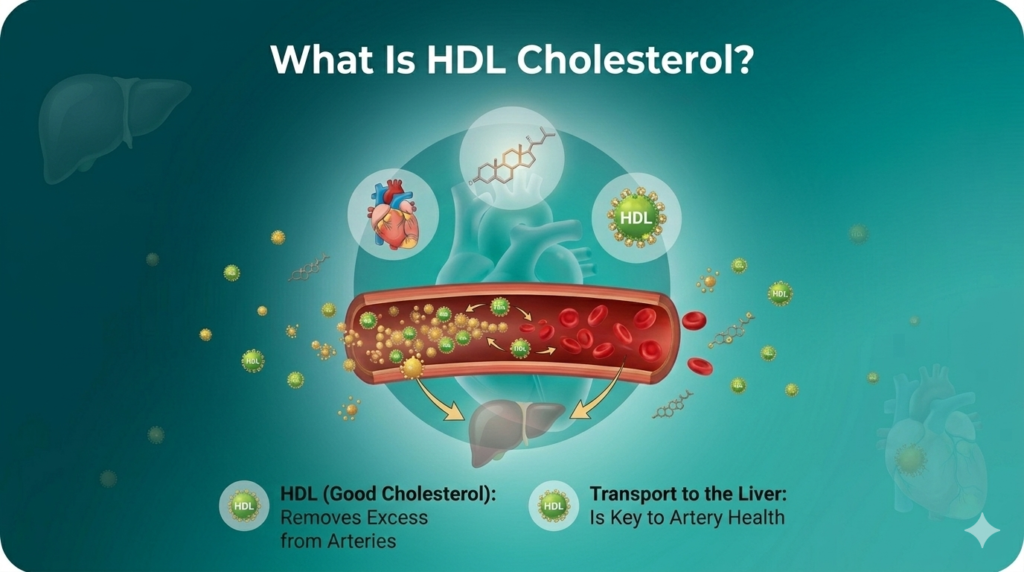
HDL cholesterol stands for High-Density Lipoprotein. It is commonly called good cholesterol.
HDL plays an important protective role in the body. Instead of depositing cholesterol in arteries, HDL removes excess cholesterol from the bloodstream.
HDL carries cholesterol back to the liver, where it is processed and removed from the body.
This process helps prevent plaque buildup in blood vessels.
Higher HDL levels can:
- Protect against heart disease
- Reduce plaque formation
- Improve blood vessel health
This is why doctors aim to increase HDL cholesterol while reducing LDL cholesterol.
Difference Between LDL and HDL Cholesterol
Understanding the difference between LDL and HDL cholesterol helps explain how cholesterol affects heart health.
| Feature | LDL Cholesterol | HDL Cholesterol |
|---|---|---|
| Role | Carries cholesterol to tissues | Removes cholesterol from blood |
| Common Name | Bad cholesterol | Good cholesterol |
| Effect | Builds plaque in arteries | Prevents plaque buildup |
| Heart Risk | Increases heart disease risk | Protects the heart |
Maintaining low LDL and higher HDL cholesterol levels is essential for cardiovascular health.
Causes of High LDL Cholesterol
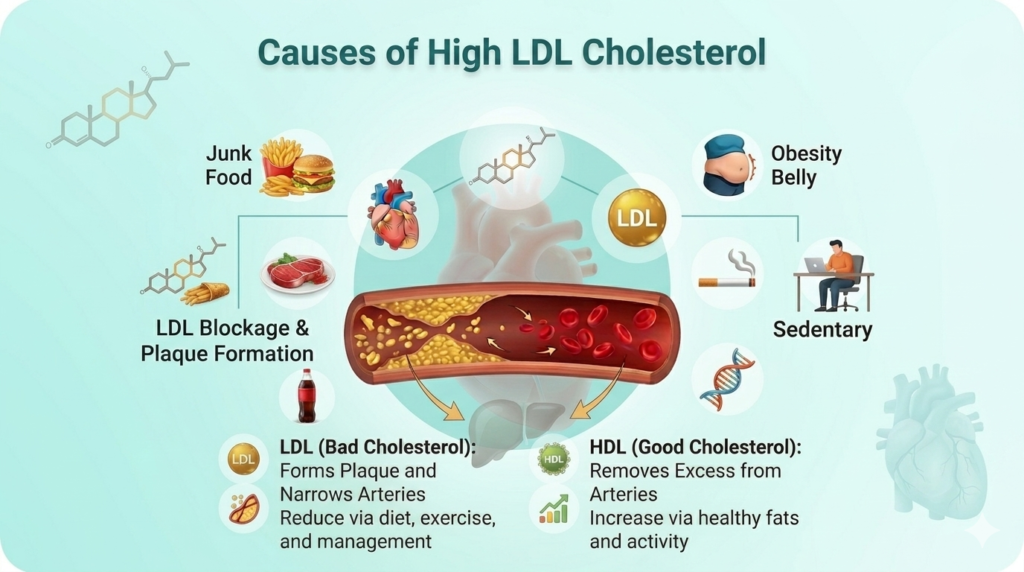
Several lifestyle and health factors can increase LDL cholesterol levels.
1. Unhealthy Diet
Foods high in saturated fats and trans fats increase LDL levels.
Common sources include:
- Fried foods
- Fast food
- Bakery products
- Processed snacks
- Red meat
2. Obesity
Excess body weight increases bad cholesterol and triglycerides.
Belly fat is especially associated with high LDL cholesterol.
3. Lack of Exercise
Physical inactivity lowers HDL cholesterol and increases LDL cholesterol.
Regular exercise helps improve cholesterol balance.
4. Smoking
Smoking damages blood vessels and reduces good cholesterol levels.
5. Diabetes
High blood sugar increases bad cholesterol and damages arteries.
6. Genetics
Some people inherit high cholesterol levels due to family history.
Symptoms of High Cholesterol
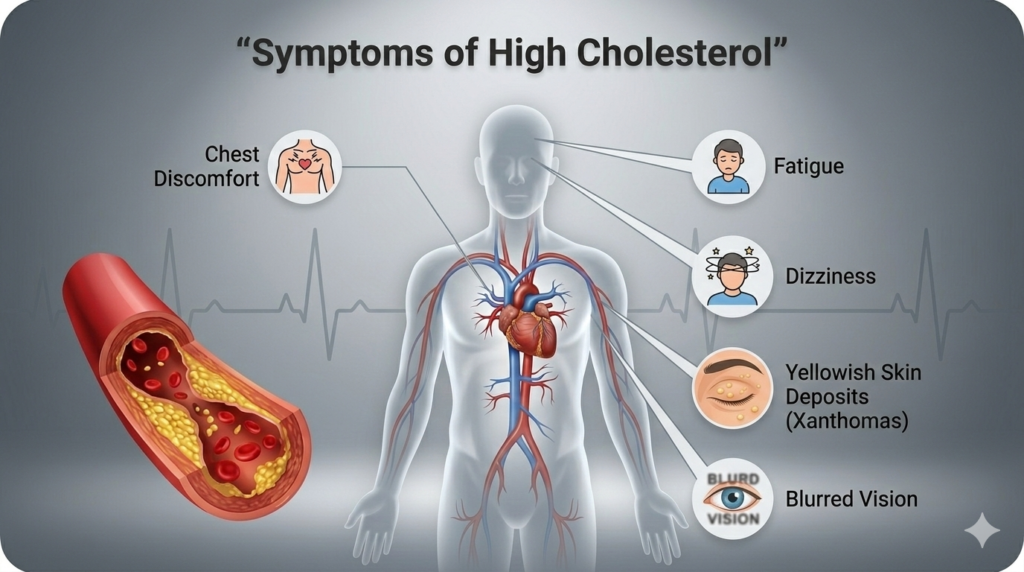
One challenge with cholesterol problems is that high LDL cholesterol usually has no symptoms.
Many people only discover high cholesterol during routine blood tests.
However, long-term high cholesterol can lead to complications such as:
- Chest pain
- Heart disease
- Stroke
- Blocked arteries
Because symptoms appear late, regular cholesterol screening is important.
Health Risks of High LDL Cholesterol
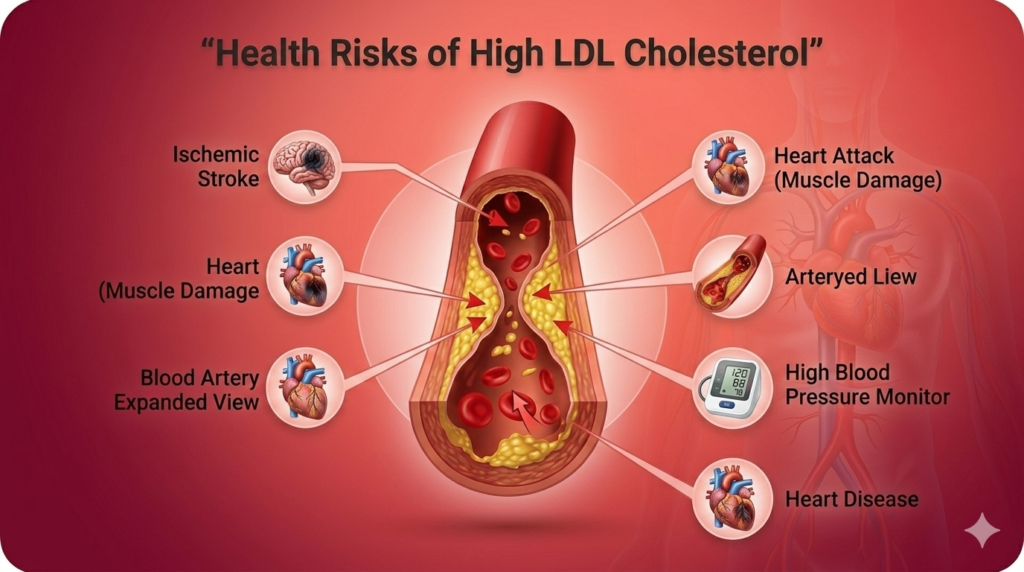
If LDL cholesterol remains high for many years, it can cause several serious health problems.
Heart Disease
Plaque buildup in arteries reduces blood flow to the heart.
Stroke
Blocked blood vessels in the brain can cause stroke.
Peripheral Artery Disease
Reduced blood flow to limbs causes pain and weakness.
Metabolic Syndrome
High cholesterol often occurs with obesity, diabetes, and high blood pressure.
Early control of LDL and HDL cholesterol helps prevent these complications.
Ideal Cholesterol Levels
Doctors evaluate cholesterol using a lipid profile test.
Healthy ranges include:
- Total cholesterol: Less than 200 mg/dL
- LDL cholesterol: Less than 100 mg/dL
- HDL cholesterol: Above 40 mg/dL (men) and 50 mg/dL (women)
- Triglycerides: Less than 150 mg/dL
Maintaining these levels lowers the risk of heart disease.
How to Improve LDL and HDL Cholesterol Naturally
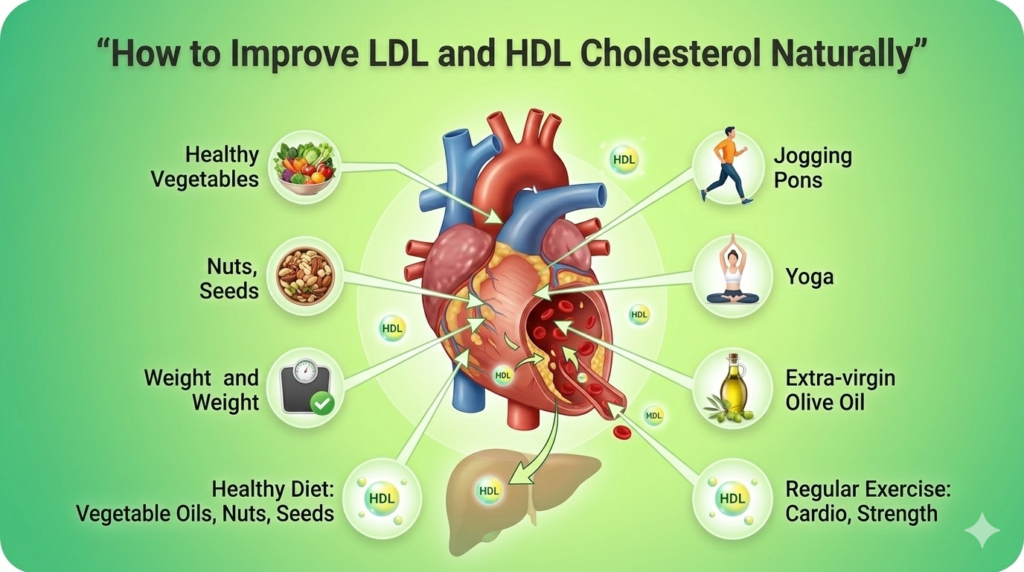
Lifestyle changes play a major role in controlling LDL and HDL cholesterol.
1. Eat a Healthy Diet
Choose foods that support heart health:
- Fruits and vegetables
- Whole grains
- Nuts and seeds
- Healthy oils
- Lean protein
Avoid fried foods and processed snacks.
2. Exercise Regularly
Physical activity improves HDL cholesterol.
Aim for 30 minutes of exercise daily.
Walking, cycling, swimming, and yoga are beneficial.
3. Maintain Healthy Weight
Losing excess weight reduces LDL cholesterol levels.
Even small weight loss can improve cholesterol balance.
4. Reduce Sugar Intake
High sugar consumption increases triglycerides and LDL cholesterol.
Limit sugary drinks and sweets.
5. Quit Smoking
Stopping smoking increases HDL cholesterol and improves heart health.
6. Manage Stress
Stress hormones can negatively affect cholesterol metabolism.
Yoga, meditation, and deep breathing help manage stress.
Frequently Asked Questions (FAQ)
What is LDL cholesterol in simple words?
LDL cholesterol is bad cholesterol that can build up in blood vessels and increase heart disease risk.
What is HDL cholesterol?
HDL cholesterol is good cholesterol that removes extra cholesterol from the bloodstream.
Why is LDL cholesterol harmful?
High LDL cholesterol causes plaque buildup in arteries, increasing the risk of heart attack and stroke.
How can HDL cholesterol be increased?
Regular exercise, healthy diet, weight control, and quitting smoking help increase HDL cholesterol.
Can cholesterol be controlled naturally?
Yes. Lifestyle changes such as healthy diet, exercise, and weight management can significantly improve LDL and HDL cholesterol levels.
Conclusion
Understanding LDL and HDL cholesterol is essential for protecting heart health. LDL cholesterol contributes to plaque buildup in arteries, while HDL cholesterol helps remove excess cholesterol from the bloodstream.
Maintaining a healthy lifestyle with balanced diet, regular exercise, and proper weight management helps control cholesterol levels and reduce the risk of heart disease.
Regular health check-ups and lipid profile testing are important for early detection and prevention of cholesterol-related complications.