
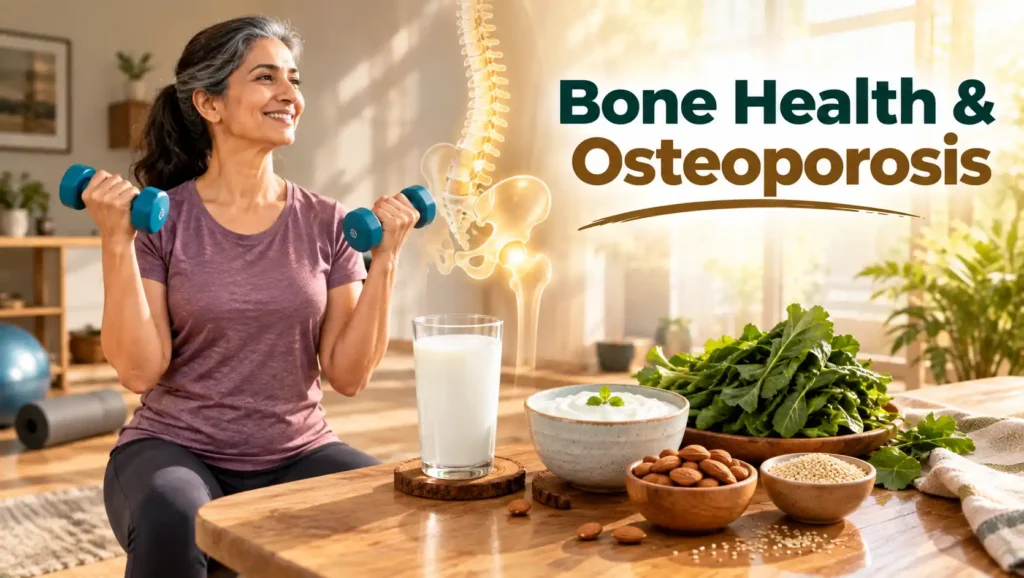
Osteoporosis: Causes, Symptoms and Prevention Tips: What Is Osteoporosis?
Osteoporosis is a condition in which bone density decreases, causing bones to become thinner, weaker and more fragile. As bones become weaker, even a minor injury or fall may result in a fracture.
Hip fractures can be particularly serious in older adults because they may affect mobility and independence and can make everyday activities more difficult.
Osteoporosis is often called a silent condition because noticeable symptoms may not appear until significant bone weakening or a fracture occurs.
Why Are Bones Important?
Bones do much more than provide strength and structure to the body.
They support body movement and help maintain the body’s overall structure. Bones also protect vital organs. The skull protects the brain, while the rib cage protects important organs such as the heart and lungs.
Bone marrow is involved in the production of blood cells, and bones also act as an important storage site for minerals such as calcium.
How Does Bone Remodelling Work?
Bone is constantly changing through a natural process called bone remodelling.
Two important types of bone cells are involved:
- Osteoblasts help form new bone.
- Osteoclasts help break down and remove older bone.
A healthy balance between these processes helps maintain strong bones and supports the body’s ability to repair bone after physical stress or minor injury.
Who Is at Risk of Osteoporosis?
Several factors may increase the risk of osteoporosis, including:
- Age above 50
- Reduced estrogen and progesterone levels
- Menopause
- Calcium deficiency
- Vitamin D deficiency
- Excess body weight
- Smoking
- Alcohol consumption
- Poorly controlled blood sugar
Women may face a higher risk after menopause because estrogen levels decline. Maintaining adequate calcium and vitamin D intake, staying physically active and keeping blood sugar under control can all be important for bone health.
What Are the Warning Signs of Osteoporosis?
Osteoporosis may not cause obvious symptoms in its early stages, but some changes may need attention.
Chronic Back Pain
Persistent or long-lasting back pain may be associated with weakened bones and changes in the spine.
Changes in Posture
A gradual stooping or bending of the posture can occur with changes in the bones of the spine.
Reduced Grip Strength
A noticeable decrease in grip strength, particularly with increasing age, may also be a sign that bone and muscle health need further evaluation.
What Is a Bone Mineral Density Test?
A Bone Mineral Density (BMD) test helps assess the strength and density of bones.
People over the age of 50, particularly those with risk factors or warning signs, may benefit from evaluation of bone health.
When osteoporosis is identified, treatment may include medicines in tablet or injectable forms depending on individual requirements and medical assessment.
Why Are Calcium and Vitamin D Important?
Calcium is one of the major components of bone. Adequate calcium in the blood is also important for normal muscle, nerve and heart function.
When blood calcium levels fall, the body can draw calcium from the bones to help maintain the required blood calcium level. Therefore, having a normal blood calcium level does not necessarily mean that bone calcium stores are adequate.
Daily calcium requirements may vary according to age and individual needs. Around 800–1,000 mg of calcium per day is discussed as a general requirement, while requirements may be higher during pregnancy and growth.
Calcium-Rich Foods
Calcium can be obtained from a variety of foods, including:
- Milk
- Curd
- Paneer
- Spinach
- Amaranth leaves
- Almonds
- Sesame seeds
- Ragi
- Certain small fish eaten with their bones
For example, 250 ml of milk may provide around 300 mg of calcium, while 250 ml of curd may provide around 250 mg. Paneer, leafy greens, almonds, sesame seeds and ragi can also contribute to daily calcium intake.
Vitamin D and Bone Health
Vitamin D is important because it helps the body absorb calcium.
The body can produce vitamin D through exposure to sunlight. Ultraviolet B rays act on the skin and begin the process of vitamin D production, which is then activated through the liver and kidneys.
Vitamin D can also come from foods such as:
- Fatty fish such as salmon, sardines and mackerel
- Sun-exposed mushrooms
- Egg yolk
- Vitamin D-fortified foods where available
People with significant vitamin D deficiency may require supplements or injections under medical guidance.
Can Exercise Help Prevent Osteoporosis?
Regular physical activity is an important part of maintaining bone health.
Exercise supports the natural process of bone remodelling. Walking and strength training can be included as part of a regular routine.
Remaining physically inactive for long periods may reduce the beneficial stimulation that bones receive from movement and physical activity.
Lifestyle Tips for Stronger Bones
Supporting bone health involves consistent daily habits.
Focus on:
- Getting adequate calcium through food
- Maintaining sufficient vitamin D
- Staying physically active
- Including walking and strength training
- Keeping blood sugar under control
- Avoiding smoking
- Avoiding alcohol
- Using supplements when medically required
Starting these habits early can help support long-term bone health.
Osteoporosis and Diabetes
Poorly controlled blood sugar can also affect bone health. High blood glucose may negatively affect cells involved in bone formation and contribute to weaker bones.
For people with diabetes, maintaining good blood sugar control alongside adequate nutrition and regular exercise can therefore be an important part of protecting bone health.
Final Thoughts
Osteoporosis can develop gradually without obvious early symptoms. Protecting bone health requires attention to calcium, vitamin D, nutrition, exercise, blood sugar control and lifestyle habits.
A balanced diet can provide calcium through foods such as milk, curd, paneer, leafy greens, almonds, sesame seeds and ragi. Regular walking and strength training can also support bone remodelling and overall physical health.
At Dr. Rajender’s Lifestyle Clinic, lifestyle-focused care combines nutrition, physical activity and continuous medical guidance to support long-term metabolic and overall health.
For personalized guidance on bone health, nutrition and lifestyle management, consult Dr. Rajender Ramagiri, Founder & Lead Physician at Dr. Rajender’s Lifestyle Clinic, Banjara Hills, Hyderabad.
Frequently Asked Questions
1. What is osteoporosis?
Osteoporosis is a condition in which bone density decreases, making bones weaker and more susceptible to fractures.
2. Who is at higher risk of osteoporosis?
Risk may increase with age, especially after 50, and with factors such as menopause, calcium or vitamin D deficiency, smoking, alcohol consumption, excess body weight and poorly controlled blood sugar.
3. What are the warning signs of osteoporosis?
Chronic back pain, gradual changes in posture and reduced grip strength are among the warning signs that may require further evaluation.
4. How can osteoporosis be detected?
A Bone Mineral Density test can help assess bone strength and identify reduced bone density.
5. Which foods are rich in calcium?
Milk, curd, paneer, leafy greens, almonds, sesame seeds and ragi are among the calcium-containing foods that can be included in a balanced diet.
6. Is exercise important for bone health?
Yes. Regular physical activity, including walking and strength training, supports bone remodelling and helps maintain bone strength.
Read Also:

One Response