
Introduction
Managing diabetes often involves taking medication at specific times every day. Depending on the treatment plan, a person may need tablets, injectable medicines, insulin, or a combination of treatments to maintain blood glucose levels within their recommended range.
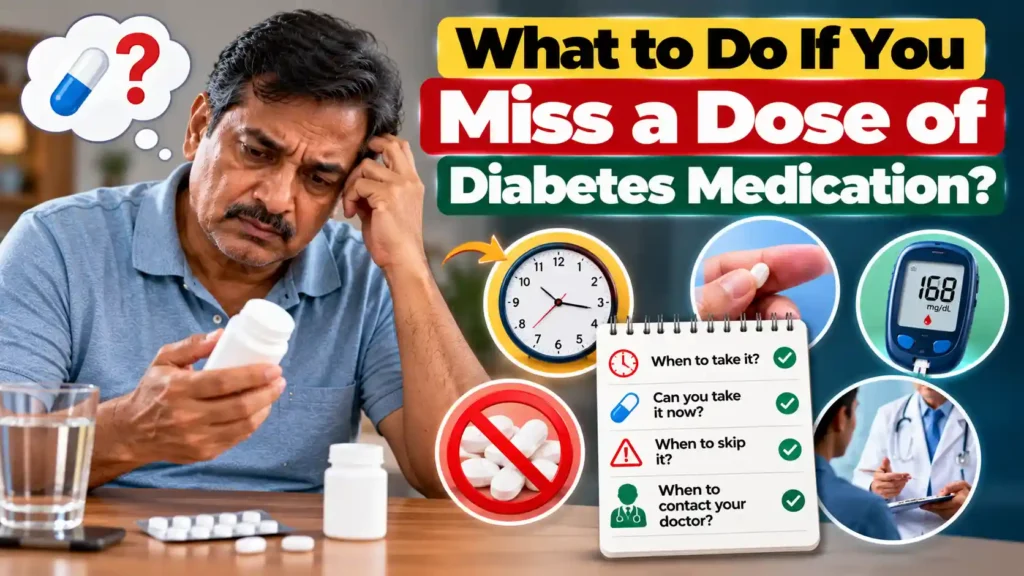
However, busy schedules, travel, changes in meal timings, or simple forgetfulness can sometimes lead to a missed dose. When this happens, people may wonder whether they should take the medicine immediately, wait until the next scheduled dose, or take extra medicine later.
The correct action depends on the specific medication, the time of the missed dose, and your prescribed treatment plan. Understanding medication safety can help prevent avoidable blood sugar fluctuations and other complications.
At Dr. Rajender’s Lifestyle Clinic in Banjara Hills, Hyderabad, diabetes management includes understanding medication use alongside nutrition, physical activity, and regular monitoring.
Why Is It Important to Take Diabetes Medication as Prescribed?
Diabetes medications work in different ways. Some help the body respond better to insulin, some reduce glucose production by the liver, and others help the kidneys remove excess glucose or stimulate insulin release.
Insulin helps move glucose from the bloodstream into cells. If a prescribed dose is missed, blood glucose may rise, depending on the medication and the person’s health condition.
Missing certain medicines may have a greater impact than missing others. For example, missing an insulin dose can be particularly important for people with Type 1 diabetes, who need ongoing insulin to prevent diabetic ketoacidosis.
Taking medication consistently helps maintain the intended treatment effect and reduces the risk of complications associated with poorly controlled blood glucose.
What Should You Do When You Miss a Dose?
1. Check the medication instructions
Read the patient information leaflet or the instructions provided by your doctor or pharmacist. Some medicines have specific missed-dose guidance, while others require extra caution.
If you are unsure, contact your pharmacist or treating healthcare professional for advice specific to your medicine.
2. Consider how close you are to the next dose
For some medications, the recommended action depends on how much time has passed since the missed dose and how close you are to the next scheduled dose.
Do not assume that taking the missed dose immediately is always the safest option. Follow the instructions for your particular medicine.
3. Never double the next dose unless specifically instructed
Taking two doses together to compensate for a missed dose can cause dangerously low blood glucose with certain medicines, including insulin and some medications that stimulate insulin release.
If you miss a dose, do not take an extra dose simply to make up for it. Seek medication-specific advice when the instructions are unclear.
4. Monitor your blood glucose when appropriate
If you use a glucose meter or continuous glucose monitor, follow your established monitoring plan. Check your glucose when appropriate for your medication and symptoms.
If your blood glucose is unusually high or low, follow the action plan provided by your healthcare team.
5. Contact your healthcare professional if you are uncertain
Seek advice if you have missed multiple doses, missed an insulin dose, are unwell, cannot keep food or fluids down, or notice significant changes in blood glucose.
People with Type 1 diabetes should not stop basal insulin without medical direction, even when they are not eating normally.
What Happens If You Frequently Miss Diabetes Medication?
Regularly missing prescribed medication can make diabetes harder to manage. Possible effects include:
- Higher-than-usual blood glucose levels.
- Greater fluctuations in glucose throughout the day.
- Difficulty understanding whether the treatment plan is effective.
- Increased risk of diabetes-related complications when glucose remains poorly controlled.
- More uncertainty about medication timing and treatment results.
If you frequently forget medication, discuss the problem with your healthcare professional rather than blaming yourself or changing the prescription independently. The treatment schedule may need to be reviewed.
Tips to Avoid Missing Diabetes Medication
Create a daily medication routine
Link medication-taking to an established daily habit, such as brushing your teeth or having a meal, provided that this matches the medication’s instructions.
Use reminders
Phone alarms, calendar alerts, or medication reminder applications can help you remember scheduled doses.
Keep a medication record
A checklist or medication diary can help you identify whether a dose has already been taken.
Plan for travel
Carry an adequate supply of medication, keep it stored according to its instructions, and plan for changes in meal times or time zones.
Review your treatment regularly
Tell your doctor if the schedule is difficult to follow, if side effects are affecting adherence, or if you are experiencing financial or practical barriers to obtaining medication.
Frequently Asked Questions
1. Should I take my diabetes medicine as soon as I remember?
It depends on the medication and how close you are to your next scheduled dose. Check the medicine-specific instructions or contact a pharmacist or doctor.
2. Can I take two diabetes tablets if I miss one?
Do not double your dose unless your healthcare professional or the official medication instructions specifically tell you to do so.
3. What if I forget my insulin dose?
The correct response depends on the type of insulin, the dose, and the timing. Contact your diabetes care team promptly for specific guidance, and do not stop essential insulin treatment without medical advice.
4. Can missing one dose increase blood sugar?
Yes, it can, but the effect varies according to the medicine, the person’s diabetes type, food intake, illness, and other factors.
5. What should I do if I miss several doses?
Contact your healthcare professional to discuss how to resume treatment safely. Do not take several missed doses together.
6. Can reminders help improve medication adherence?
Yes. Alarms, pill organisers when suitable, medication charts, and consistent routines can help reduce missed doses.
Conclusion
Missing a dose of diabetes medication can happen, but taking the wrong corrective action may create additional risks. Check the instructions for your specific medicine, avoid doubling doses without guidance, monitor blood glucose according to your care plan, and contact your healthcare professional when uncertain.
Consistent medication use, appropriate nutrition, physical activity, and regular follow-up can all contribute to safer diabetes management.
Need personalised diabetes care?
Dr. Rajender’s Lifestyle Clinic in Banjara Hills, Hyderabad, provides diabetes care that combines medical guidance with nutrition and sustainable lifestyle changes. Consult the clinic to discuss your blood sugar levels, medication routine, and individual treatment plan.
Read Also:

One Response